Erin Brockovich Maps Big Tech's Hidden Water Wars
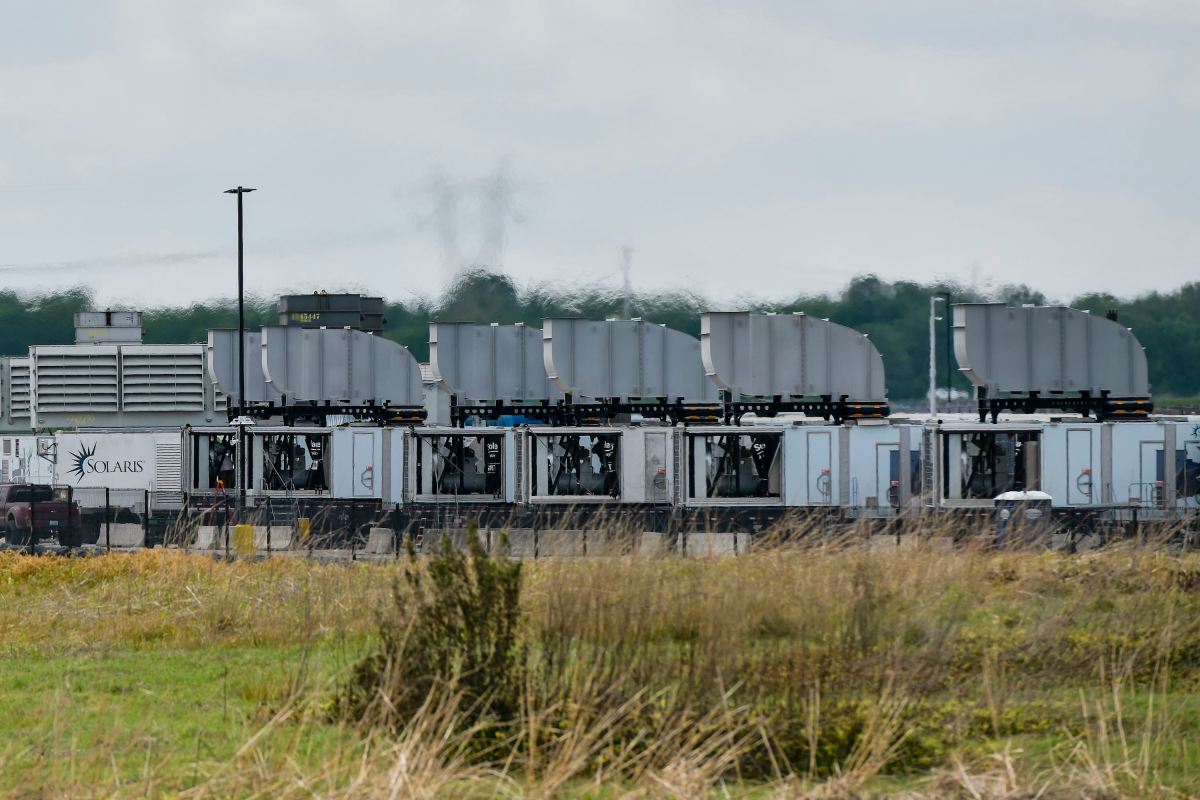
“`html
Erin Brockovich Maps Big Tech’s Hidden Water Wars
Erin Brockovich isn’t suing anyone yet. But she’s building something that could hurt Big Tech more than any courtroom. In just the first weeks of her new platform’s rollout, residents across 47 states filed 2,716 verified complaints about data centers draining local water and power, according to brockovichdatacenter.com tracking data. The infrastructure land grab just got a watchdog with real teeth.
What Triggered This
In April 2026, Brockovich issued a public demand for municipal records and consumer resource disclosures tied to undocumented utility surges connected to regional tech expansion, according to independent reporting. By late May 2026, she launched brockovichdatacenter.com, a centralized, interactive crowdsourcing and mapping portal cataloging every data center operating, under construction, or buried inside early real estate proposals.
Then the May 30, 2026 investigations dropped. Independent media exposed a widespread pattern of corporate Nondisclosure Agreements signed at the very earliest proposal stages. These NDAs legally prevent city councils from informing residents about incoming data center utility demands before construction begins. In multiple cases, tech projects appeared on local planning applications simply as “warehouses,” according to those investigations. Residents had no idea what was moving into their neighborhoods until the water bills arrived.
This is the part that should make you angry. The corporations knew. The city councils knew. The residents found out last.
The Numbers They Don’t Want You to See
I want to be direct about what this data actually shows.
Texas leads the national count with 612 independent localized reports of data center friction, followed by Pennsylvania with 195, Ohio with 155, and Georgia with 126, according to brockovichdatacenter.com platform data. These aren’t theoretical complaints. They’re verified, location-tagged grievances filed by actual residents watching their communities get carved up for server farms.
According to platform survey metrics, 41.2% of community concerns center on water supply strain. Electric grid depletion ranks second at 22.2%. Localized health concerns come in at 18.1%. Water is the top fear, and that fear is backed by hard numbers. Large hyperscale data centers can consume up to 5 million gallons of water per day, roughly equivalent to the daily water needs of a city of 10,000 to 50,000 residents, according to environmental study baselines cited by the platform.
Read that again. One data center. One day. Enough water for a small city.
And the spending is not slowing down. Capital expenditure by major tech companies is poised to increase by another 75% through the end of 2026, according to industry analysis. Microsoft, Google, Meta, and Amazon are not asking permission. They’re writing checks. The only thing slowing them down is organized local resistance, and that’s exactly what Brockovich is now building at scale.
Some homeowners in heavily developed data center clusters are already seeing utility bill increases as high as 267%, according to reporting cited by the platform. That’s not a rounding error. That’s a wealth transfer from working families to tech balance sheets, happening in neighborhoods that never voted for it.
I’ve seen this playbook before. Get in quietly. Lock down the information with NDAs. Extract the resource value. Leave the community holding the cost. Every extractive industry in American history has run this same play. AI infrastructure is just the newest version of it.
If you’re a reporter, activist, or founder trying to document and share stories like this one, tools like InVideo AI can help you turn raw research and local data into shareable video without a production crew. The residents fighting these battles need their voices amplified, not just their complaints logged in a database.
What This Means for You
Whether you’re a developer, a founder, or just someone with a server stack in your product roadmap, this map changes things for you directly.
As of June 1, 2026, the platform has tracked 15 municipal moratoria and six official zoning or permit denials tied directly to data center pressure, according to brockovichdatacenter.com update logs. That’s 21 wins for the community side in less than two months of platform operation. If you’re siting infrastructure, those numbers matter for your planning timeline and your risk model.
Here’s what I would do if I were advising a tech team right now. First, search the Brockovich map before you finalize any infrastructure location. If there are active community grievances in your target zone, you’re walking into a fight that’s already organized and already winning. Second, get ahead of the water and power disclosure question. Companies that voluntarily publish their resource consumption data face far less community opposition than those that hide behind NDAs. Transparency isn’t just ethical. It’s cheaper than a moratorium.
Third, watch what happens at the zoning level across Texas and Pennsylvania. Permit denials and construction moratoria create delays that ripple into hosting costs, colocation contracts, and cloud pricing. Your software costs are not insulated from what happens at a county planning meeting in suburban Houston.
If you’re managing operational budgets while infrastructure costs climb, AppSumo regularly surfaces lifetime deals on software tools that replace expensive recurring subscriptions. That kind of spending discipline matters more when your cloud pricing is tied to a grid that’s under pressure.
The Bottom Line
Erin Brockovich didn’t beat PG&E by waiting for the government to act. She built a map of the damage, found the people living inside it, and made the information impossible to ignore. She’s doing the exact same thing again right now. Except this time her opponent isn’t a utility company with a leaky pipeline. It’s the entire AI industrial complex, and it’s spending 75% more this year than last. The fight is no longer invisible. That alone changes the math for everyone at the table.
Frequently Asked Questions
What is the Brockovich Data Center platform?
It’s a centralized crowdsourcing and mapping portal launched by environmental activist Erin Brockovich in late May 2026. Residents can submit verified complaints about local data center impacts at brockovichdatacenter.com, including concerns about water consumption, electric grid strain, and community health effects. Within weeks of launching, it logged 2,716 verified reports across 47 states.
Why are data centers facing so much community opposition?
Large hyperscale data centers can consume up to 5 million gallons of water per day, according to environmental study baselines. Some homeowners in heavily developed clusters report utility bill increases as high as 267%. Communities frequently weren’t informed because corporate NDAs prevented city councils from disclosing project details, and several projects were deliberately filed as generic “warehouses” on local planning applications.
Which states have the most data center complaints on the Brockovich map?
According to brockovichdatacenter.com platform data, Texas leads with 612 reports, followed by Pennsylvania at 195, Ohio at 155, and Georgia at 126. Together those four states account for a substantial share of the 2,716 total verified complaints filed since the platform launched in late May 2026.
What results has the Brockovich data center map produced so far?
As of June 1, 2026, platform tracking shows 15 municipal moratoria and six zoning or permit denials connected to organized community pressure against data center siting, according to brockovichdatacenter.com update logs. The platform had been live for less than two months at that point, making those outcomes notable early results.
How does this data center transparency push affect software developers and tech founders?
Permit denials and moratoria in active conflict zones create real delays for infrastructure build timelines, which can affect hosting costs, colocation contracts, and cloud service pricing. Developers and founders siting physical infrastructure should check the Brockovich map before finalizing any location to avoid zones with active, organized opposition that has already started winning at the municipal level.
“`
Get stories like this in your inbox. Daily.
Free. No spam. The AI, tech, and finance stories that move money.