Erin Brockovich Exposes the Data Center Coverup
“`html
Erin Brockovich Exposes the Data Center Coverup
The agentic AI market raised $1.1 billion in just five months. That money is building data centers at a pace regulators can’t match. And Erin Brockovich, the activist who took down a utility giant, wants to know what those facilities are hiding.
The Collision Nobody Priced In
Venture capital doesn’t lie about where the money is going. According to New Market Pitch, agentic AI deals totaled $1.1 billion across 29 tracked transactions between January and May 2026. That’s more than double the $538 million raised over the same window last year. According to the Digital Applied Corporate Audit Q2 2026 report, agentic AI rounds now account for 47% of all AI-related funding, pulling in $20 billion in targeted capital.
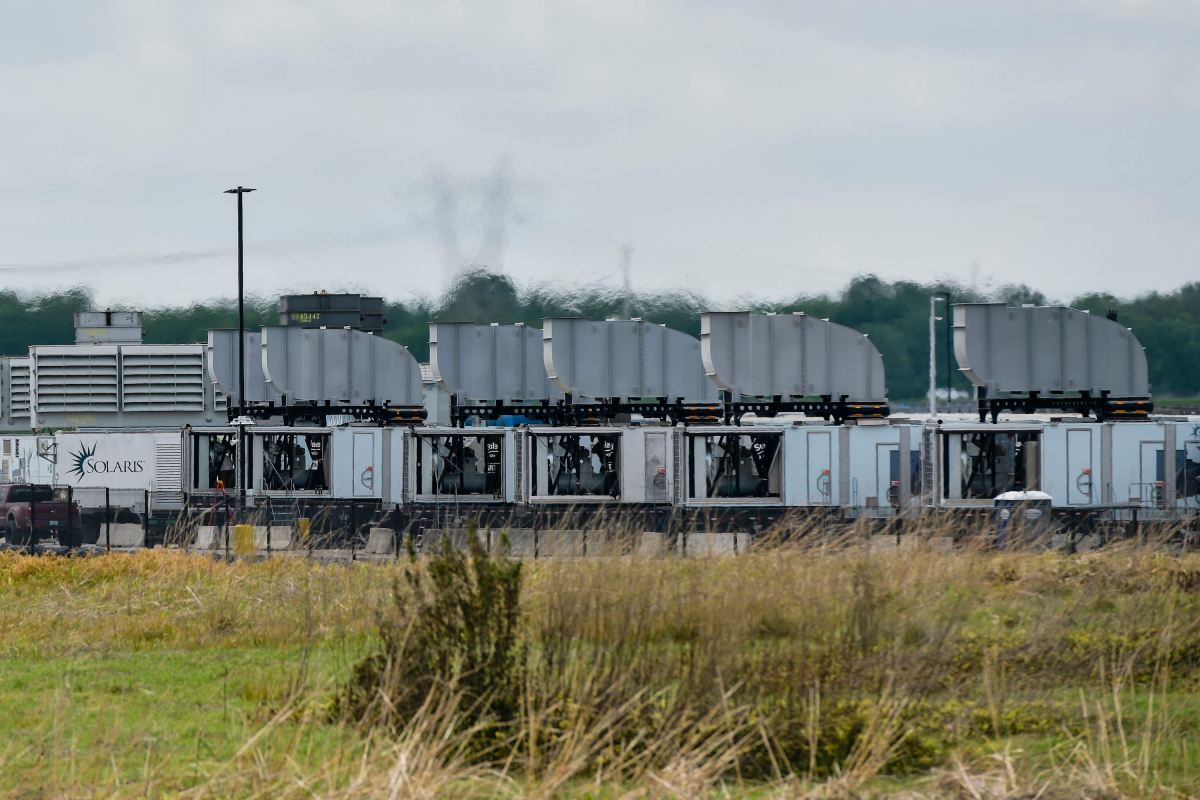
Every dollar of that money eventually becomes hardware. Hardware becomes heat. Heat requires cooling. And cooling at hyperscale requires water. Millions of gallons per day, drawn from local aquifers and discharged into nearby watersheds, often with minimal public reporting.
Brockovich has made data center transparency her next front. She’s pointed out that the patterns she fought in Hinkley, California, where a utility company contaminated drinking water while telling residents nothing, look uncomfortably familiar in communities now hosting massive AI infrastructure. The industry is expanding too fast for local regulators to keep up. And the companies building these facilities have very little incentive to self-report.
What the Market Is Ignoring
I’ll be direct. Most investors chasing agentic AI returns are focused on software multiples and enterprise adoption curves. Environmental liability is treated as a second-tier concern. That’s a mistake.
According to New Market Pitch, the average agentic AI funding round sits at $36 million, with a median of $19 million. The gap between those two numbers tells you the capital is concentrating at the top. A handful of large bets are dominating the category. And the biggest bets are going into infrastructure. According to the same report, agent execution infrastructure captured 20.7% of recent deals. These are the secure runtimes, sandboxes, and auditing layers that enterprises need to run multi-agent systems at scale.
“Secure” in this context means secure from cyberattacks. It says nothing about secure from water table contamination or local zoning violations. The Brockovich problem is that infrastructure investment has a physical footprint. Software doesn’t have a water bill. Data centers do.
The adoption numbers make this a permanent conversation. According to the Digital Applied Corporate Audit Q2 2026 report, AI pilots graduating to full enterprise production jumped from 18% to 31%. According to Neurons Lab Financial Research, 44% of corporate finance departments now run agentic automation for fraud detection and credit modeling as of June 2026. This isn’t experimental anymore. It’s fixed infrastructure, and fixed infrastructure doesn’t move when a community decides it wants answers.
States are already acting. Virginia has the highest data center density in the country and is actively debating mandatory water usage disclosure. Arizona has moved preliminary rules forward. The direction is clear. Regulatory cost is coming, and most infrastructure plays aren’t pricing it in yet.
If you want to track this story and share it fast, InVideo AI lets you convert research like this into punchy video content in minutes. That’s exactly where the retail investor conversation about AI accountability is happening right now.
What This Means for You
Here’s what I would do with this information.
First, map your AI infrastructure exposure geographically. Virginia, Texas, and Arizona are the three largest data center markets in the US. All three face water stress and increasing regulatory scrutiny. A facility drawing from a stressed aquifer in a drought-prone state carries real operational risk if disclosure requirements pass. That’s not speculation. That’s already in the legislative calendar.
Second, look for infrastructure companies building compliance into their product from day one. The platforms that add environmental audit trails alongside their security audit trails will win enterprise contracts when procurement teams start asking the Brockovich questions. And they will.
Third, understand the full enterprise risk profile. According to Neurons Lab Financial Research, 63% of technology executives already flag security and risk as their primary implementation challenge, while 48% cite poor data governance as a concern. Community and environmental risk belong on that same list. The companies that help enterprises manage all of it together will have serious staying power.
For small business owners looking to access agentic AI tools without paying full enterprise prices, AppSumo lifetime software deals regularly feature AI platforms at one-time costs that make serious sense for lean teams. You don’t need to wait for the Fortune 500 rollout to start using this technology.
The ROI case is there regardless. According to Neurons Lab Financial Research, early enterprise adopters of agentic AI report an average 2.3x return on investment within 13 months. The question isn’t whether to participate. It’s whether you’re accounting for the full picture before you write the check.
The Bottom Line
Brockovich didn’t beat Pacific Gas and Electric with a bigger legal budget. She won with better information, made public. The data center industry has spent the first decade of the AI boom operating with almost zero community accountability. That window is closing. The $20 billion flowing into agentic AI infrastructure is building something permanent. Permanent things get scrutinized. Investors who treat environmental disclosure as a checkbox rather than a real cost are going to learn that lesson the hard way.
Frequently Asked Questions
What is Erin Brockovich’s campaign around data center secrecy?
Brockovich has been publicly critical of data center operators for failing to disclose environmental impacts to surrounding communities. She sees patterns of information suppression similar to the Hinkley, California case, where a utility company withheld data about contaminated water. Her focus on data center secrecy has gained new urgency as the AI infrastructure buildout accelerates in 2026.
How big is the agentic AI investment market right now?
According to New Market Pitch, agentic AI raised $1.1 billion across 29 deals between January and May 2026, compared to $538 million in the same period last year. According to the Digital Applied Corporate Audit Q2 2026 report, agentic AI now accounts for 47% of all AI-related funding, totaling $20 billion in targeted capital deployment.
Why do data centers pose environmental risks?
Large-scale data centers consume enormous amounts of water for cooling and generate significant heat and chemical outputs. Hyperscale facilities can draw millions of gallons per day from local water supplies. As agentic AI drives more compute demand, that usage is growing fastest in water-stressed regions where regulators are already stretched thin.
Which states are moving on data center disclosure requirements?
Virginia, home to the highest data center density in the US, is actively debating mandatory water usage and environmental reporting rules. Arizona has advanced preliminary disclosure requirements forward. Both states are responding to pressure from communities and environmental advocates who argue current reporting standards are wholly inadequate given the scale of new construction.
Should small businesses care about data center secrecy?
Indirectly, yes. Regulatory changes that raise compliance costs for data center operators will eventually flow through to cloud pricing and AI platform fees. Small business owners who lock in access to AI tools now at lower prices are better insulated from those future cost increases. Knowing the infrastructure your tools depend on also helps you make smarter vendor choices as public accountability standards tighten.
“`
Get stories like this in your inbox. Daily.
Free. No spam. The AI, tech, and finance stories that move money.