Erin Brockovich Takes Aim at Data Center Secrecy
“`html
Erin Brockovich Takes Aim at Data Center Secrecy
Big Tech is building data centers in American backyards at a record pace, and neighbors often have no legal right to know what chemicals are being used on site. According to the Electric Power Research Institute, U.S. data centers could account for up to 9% of total national electricity demand by 2030. Erin Brockovich says the secrecy surrounding these sites is the next great environmental scandal in the making.
What’s Driving This Fight Right Now
Brockovich made history by exposing Pacific Gas and Electric’s contamination of groundwater in Hinkley, California. That battle ended in a $333 million settlement, according to the Los Angeles Times, and it proved one thing: corporations will hide environmental risks for years unless someone forces the truth into the open.
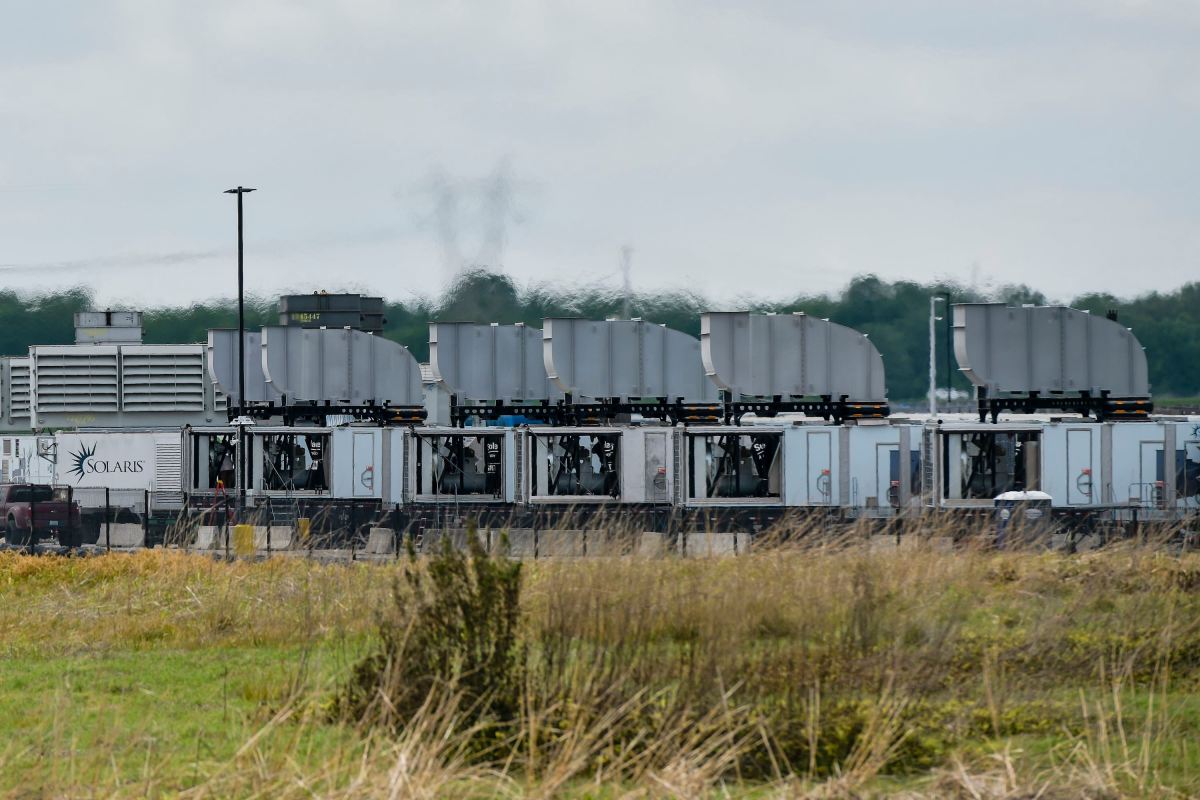
Now she’s applying that same lens to the data center industry. In 2026, data centers are being constructed at a speed that has few historical comparisons. According to JLL Research, the United States added more than 5,000 megawatts of new data center capacity in 2025 alone. These facilities are going up in towns across Virginia, Texas, Ohio, and Arizona. Most residents near these sites have no idea what’s coming until construction trucks show up.
According to the National Resources Defense Council, most states do not require data center operators to publicly disclose the chemicals used in cooling and fire suppression systems. Many of those systems use compounds from the PFAS family, sometimes called forever chemicals, that do not break down in soil or water. The EPA has linked PFAS exposure to thyroid disease, kidney cancer, and elevated cholesterol levels.
Big Tech Is Playing the Same Old Game
I’ve watched this script play out before. Big company. Enormous profits. Local community with zero power. It always ends the same way until someone like Brockovich shows up with a lawsuit and a camera crew.
The global data center market hit $274 billion in 2025, according to Grand View Research, and it’s growing at about 12% per year. Real estate investment trusts focused on data centers have printed serious money for shareholders over the past five years. Equinix stock is up more than 80% since 2020, according to Yahoo Finance. Meanwhile, the family living two miles from one of these facilities often has no legal right to request a chemical inventory from the operator.
That’s not innovation. That’s extraction dressed up in fiber optic cable.
Brockovich’s specific concern is the PFAS compounds used in liquid cooling systems. These are the same class of chemicals that poisoned Hinkley. They showed up at Camp Lejeune too. And now they’re being used in industrial quantities in communities that have no framework for disclosure, no right to know, and no recourse until damage is already done.
Here’s what Wall Street hasn’t priced in yet: if Brockovich’s campaign gains traction and regulators start treating data centers like the industrial facilities they actually are, compliance costs go up fast. Site approvals slow down. Data center real estate investment trusts, which have been priced for perfection, suddenly face a risk category that doesn’t appear in any of their current filings.
If you’re a homeowner near an existing or planned data center and you’re thinking about your financial options, including potential property value shifts or legal costs if contamination is discovered, it’s smart to know your borrowing options before you need them. A quick search through SuperMoney loan comparison can show you current personal loan and home equity rates in your area so you’re not scrambling later.
What This Means for You
If a data center is planned near your home, here’s what I would do.
Start with a public records request. File one with your county and state environmental agency asking for any permits issued to the facility. You have the right to that information in most states, even if companies aren’t volunteering it.
Next, connect with Brockovich’s environmental network through her official organization. She has built a community of advocates who have fought these exact battles before. That resource is free and proven.
Third, protect your finances. Data centers don’t just consume water and power. They store your personal and financial data. According to IBM’s Cost of a Data Breach Report, the average data breach cost reached $4.88 million in 2024, with millions of consumer records exposed in each major incident. If a nearby data center gets breached, your credit could take a hit you never saw coming. I keep IdentityIQ credit monitoring running at all times for exactly this kind of exposure. It catches suspicious activity fast, before a single missed payment turns into a financial disaster.
Property values near industrial contamination sites can fall 10% to 25%, according to research from the Appraisal Institute. That’s a financial hit that compounds over time. Knowing your risk now is better than discovering it at closing.
The Bottom Line
Erin Brockovich didn’t change history by being polite. She changed it by being right and refusing to quit. Big Tech has spent years selling a story about clean, green infrastructure. What’s actually being built in communities across America looks a lot like every other industrial buildout that came before it: profitable for shareholders, invisible in its risks, and defended until someone makes hiding it too expensive. I’d bet on Brockovich. Again.
Frequently Asked Questions
What is Erin Brockovich’s concern about data center secrecy?
Brockovich is focused on the lack of public disclosure requirements for data centers, particularly around the chemicals used in cooling and fire suppression systems. She argues these facilities operate with less community transparency than nearly any other industrial site of comparable size. Her campaign pushes for data centers to face the same disclosure standards as factories and chemical plants.
Are data centers regulated for environmental impact?
Currently, data centers are not subject to the same air and water reporting obligations as traditional industrial facilities in most states. According to the National Resources Defense Council, chemical disclosure requirements for data center operators vary widely by state and are often nonexistent. That gap is what Brockovich and advocates are targeting in 2026.
How can data center secrecy affect my personal finances?
If a data center near you contaminates local groundwater, property values in the area can fall sharply. According to research from the Appraisal Institute, properties near confirmed contamination sites can lose 10% to 25% of their value. Legal fees, medical costs, and the loss of home equity are all real financial risks for affected residents.
What chemicals are used in data center cooling systems?
Many large data centers use liquid cooling systems that contain compounds from the PFAS family, known as forever chemicals. These compounds do not break down naturally in soil or water. The EPA has linked PFAS exposure to thyroid disease, kidney cancer, and other serious health conditions.
What should I do if a data center is being built near my home?
File a public records request with your county and state environmental agency to review any permits issued for the facility. Connect with environmental advocacy groups for support. Monitor your finances closely, including your credit profile, since data center breaches can expose personal financial data without any warning to affected residents.
“`
Get stories like this in your inbox. Daily.
Free. No spam. The AI, tech, and finance stories that move money.