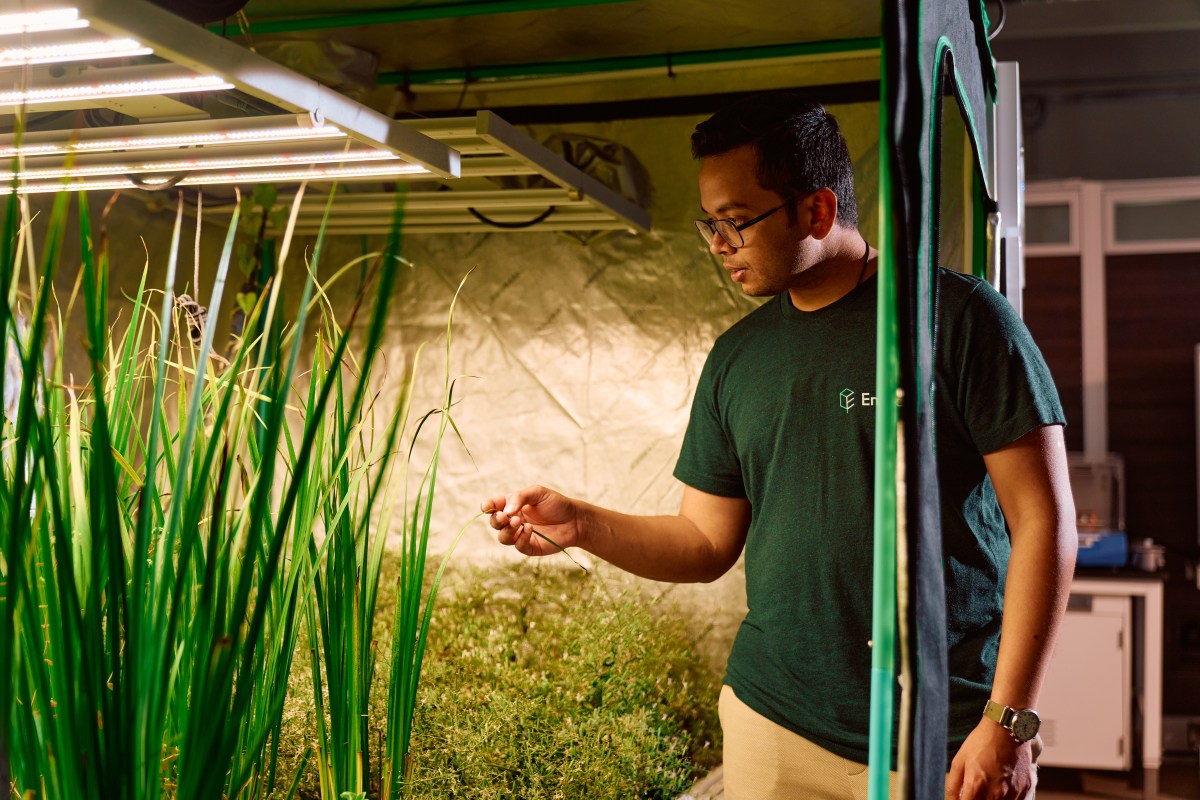
Enveda just closed a $311 million funding round to prove that the best medicines on Earth are still buried in plants. While Big Pharma spent decades chasing synthetic compounds in labs, this company is running AI across thousands of natural molecules and sending the winners straight into human trials. The smart money isn’t waiting on this one.
Why This Round Changes the Conversation
Natural product drug discovery has been underfunded for thirty years. Big Pharma walked away from plant based research in the 1990s because the chemistry was too complex and the timelines were too long. They moved to synthesizing compounds in controlled lab environments. The problem is that most of those synthetic drugs either fail in trials or carry brutal side effects.
The data tells a different story. According to a landmark analysis published in the Journal of Natural Products, approximately 49 percent of cancer drugs approved between 1981 and 2019 were natural products or direct derivatives. Nature already solved a lot of the biology problems that synthetic chemists are still arguing about.
Enveda’s bet is straightforward. Use AI to read the chemistry of natural compounds faster than any human team could. Find the ones with the clearest path to clinical success. Get them into trials before anyone else does. According to company statements, their AI platform can analyze the structure and activity of natural compounds at a scale that was impossible five years ago.
This $311 million round, backed by top tier life sciences investors, signals that institutional capital finally believes the technology has caught up with the biology.
The Contrarian Angle Nobody Talks About
Here’s what I keep thinking about. The pharmaceutical companies that abandoned natural product research in the 1990s didn’t destroy that knowledge. They just stopped paying attention to it. Enveda is ly re mining a library the industry wrote off as too hard to read.
That’s a classic wealth building pattern. The assets the crowd ignores are usually the ones that produce the best returns. When Big Pharma said natural products were too complex, they were right that the chemistry was hard. They were wrong that it would stay hard forever. AI changed the equation.
According to the National Institutes of Health, roughly 25 percent of all prescription drugs dispensed in the United States today contain at least one active ingredient derived from a plant. That number has been relatively flat for decades because nobody cracked the discovery bottleneck. Enveda is going after that bottleneck with a $311 million war chest.
The average cost to bring a single drug from discovery to FDA approval is approximately $2.6 billion, according to research published in JAMA. That cost structure is why only the biggest players survive. But if AI can compress early discovery from years to months and improve the odds of clinical success, the economics of drug development change for everyone in the pipeline.
People who understand this will watch Enveda’s clinical trial results very closely over the next two years. People who don’t will see a biotech funding headline and keep scrolling. That gap is where wealth gets created.
If you’re building content around the biotech and AI investment space, InVideo AI lets you turn complex research like this into short video breakdowns your audience can actually follow without a chemistry degree. That’s how you build an audience while the story is still early.
What This Means For You
If you’re an investor, this round is a data point, not just a headline. Watch what happens in Enveda’s clinical trials over the next 18 to 24 months. The question isn’t whether AI drug discovery works in theory. The question is whether it translates to approved drugs that generate revenue. That’s the only number that matters in biotech.
If you work in biotech or life sciences, pay attention to what Enveda publishes about their AI methodology. The techniques they use to screen natural compounds will spread across the industry. Getting ahead of this curve is the kind of positioning that looks obvious in hindsight.
If you’re a builder watching this space, the real opportunity isn’t in copying Enveda. It’s in the tools, the data infrastructure, and the software layer that the next ten AI drug discovery companies will need to operate. Infrastructure plays around a category breakout are often more reliable than picking individual winners inside that category. For finding those software and research tools without paying enterprise prices, AppSumo regularly surfaces lifetime deals that let you track multiple sectors without burning your budget on subscriptions.
Here’s what I would do. Build a short watchlist of the funds that participated in this round and track their other portfolio bets. The investors who backed Enveda at this size are telling you something about where they think AI drug discovery is heading. Follow the capital. It tends to know before the press does.
The Bottom Line
Enveda just raised $311 million to do something the entire pharmaceutical industry said was too hard. Natural products, AI screening, and clinical trials in one pipeline. If even one drug makes it through to approval, this round will look like one of the better bets in biotech history. The plants were always there. The intelligence to read them fast enough just arrived. Don’t be the person who heard about this and did nothing with it.
Frequently Asked Questions
What is Enveda and what does the company do?
Enveda is a biotechnology company that uses artificial intelligence to discover drug candidates from natural sources, primarily plants. Their AI platform screens thousands of natural compounds to identify the ones most likely to succeed in clinical trials. The company’s $311 million funding round will be used to advance several of these candidates into human testing.
Why does AI drug discovery from natural products matter?
Natural products have historically been one of the most productive sources of approved drugs, particularly in cancer treatment. According to published research in the Journal of Natural Products, nearly half of cancer drugs approved over a 38 year period came from natural products or their derivatives. AI removes the bottleneck that caused the industry to walk away from this approach in the 1990s.
How much did Enveda raise and why is the amount significant?
Enveda closed a $311 million funding round backed by major life sciences investors. At that size, this isn’t an exploratory bet. It’s capital intended to get multiple drug candidates through clinical trials, which is where most biotech companies run out of money and fail.
What does this mean for the future of pharmaceutical drug development?
If Enveda’s approach succeeds, it could shift how the entire industry thinks about early stage drug discovery. According to JAMA research, bringing a drug to market currently costs about $2.6 billion on average. Compressing the discovery phase through AI changes that math significantly and opens the door for smaller players to compete.
Is Enveda a public company investors can buy into now?
Enveda is currently private. This round gives them enough capital to generate clinical trial data that would support a future IPO or strategic acquisition by a major pharma company. Investors should track their trial results as the most meaningful signal of when that next step might happen.