Companies are pouring billions into AI stacks they believe will police themselves. Hugging Face’s policy chief just pushed back hard on that assumption. Embedded AI evaluators cannot solve the AI reliability problem, and if your business plan depends on machines checking machines, that plan has a hole in it you can drive a truck through.
What Is Actually Happening
The pitch sounds clean. Build an AI. Then build another AI to watch the first one. If the first model makes a mistake, the second one catches it. No expensive human reviewers. No slow feedback loops. Just automated scale.
That is what companies across the AI space have been selling to enterprise buyers for the past two years. They call it model evaluation, alignment through feedback, or AI red teaming. The financial markets bought it. Global AI infrastructure spending exceeded $200 billion in 2025, according to Goldman Sachs, with a growing share directed toward safety and evaluation tooling.
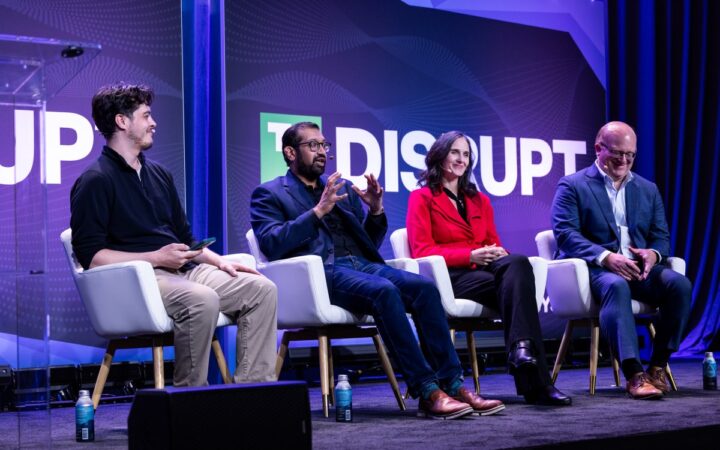
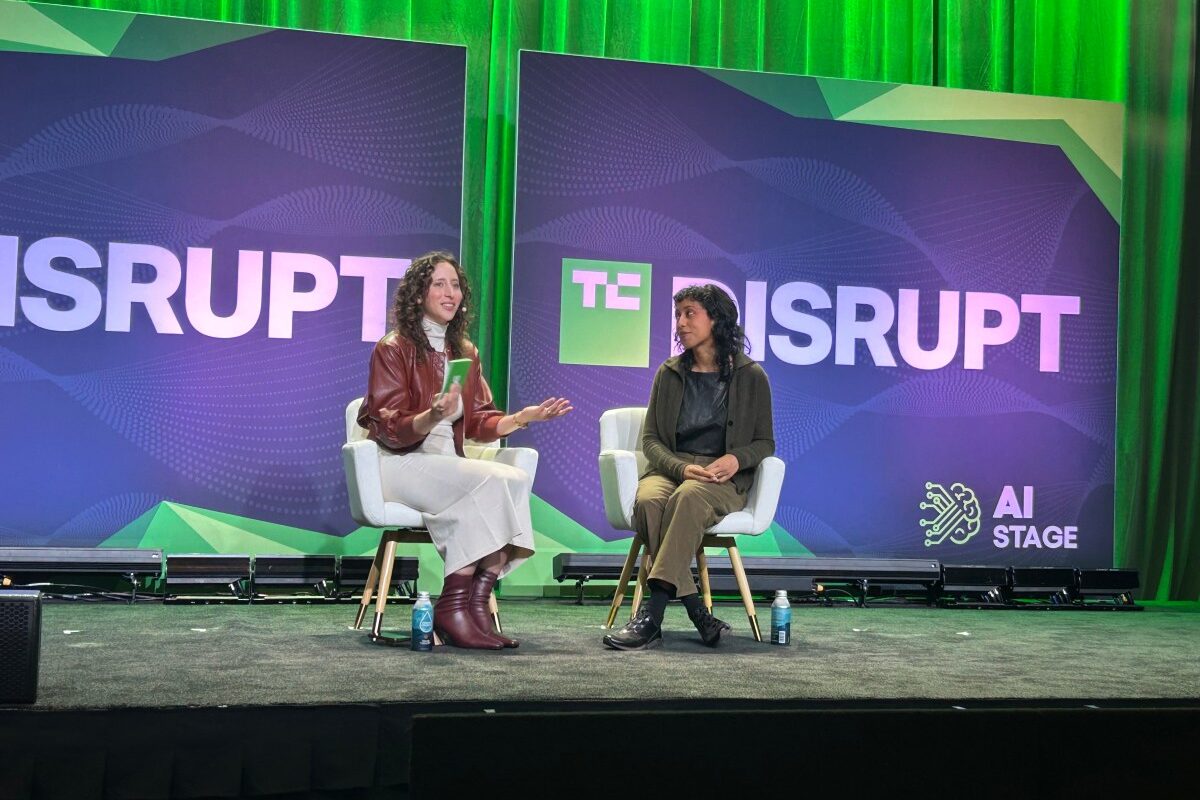
But at a 2026 policy forum, Hugging Face’s policy chief drew a clear line. Embedded AI evaluators carry the same biases and blind spots as the models they are supposed to watch. You cannot use a broken ruler to measure itself. The statement was blunt and it should matter to every business operator making purchasing decisions right now.
The Money Behind the Mistake
Here is where this story gets interesting.
Rich operators always ask: where is the hidden liability? Average operators ask: how do I cut costs?
Right now, thousands of businesses are dismantling their human QA and compliance teams because they believe AI evaluators will cover the gap. That is the cost-cutting version of this story. And when it fails, the liability lands on them, not on the AI vendor. I have read these enterprise AI contracts. Almost every one includes indemnification clauses that push output responsibility back to the buyer. The AI company does not own what the model produces. You do.
According to IBM’s Cost of a Data Breach Report, the average breach costs organizations $4.88 million. When an AI evaluator misses a sensitive data leak or a compliance violation because it was trained on similar data as the model it is reviewing, that cost lands on your balance sheet, not the vendor’s.
The smarter operators are treating AI evaluation the way manufacturers treat product quality control. You would not ask your production line to certify its own defect rate without independent verification. An AI evaluator is one layer in a multi-layer oversight process, not the whole answer. That costs more upfront, but it protects margin long-term.
If your business is taking on capital to fund an AI build-out, make sure you understand the full cost before you commit. A tool like SuperMoney loan comparison can help you find better financing terms before you lock into an infrastructure budget that may need more human oversight than your vendor told you.
What This Means For You
If you run a business using AI to produce anything with legal, financial, or health implications, this matters right now. Not eventually. Now.
Here is what I would do.
First, pull your AI vendor contracts and find the indemnification language. Odds are you own the liability for what the model outputs. That single fact changes how much you should trust any embedded evaluation claim.
Second, audit your current AI workflows. Ask where the human checkpoints are. If the answer is “the AI checks itself,” you have exposure you have not priced in.
Third, understand that AI evaluation infrastructure is a cost of doing business. According to a 2025 Gartner report on enterprise AI adoption, more than 60% of companies that deployed AI at scale underestimated post-deployment oversight costs by at least 30%. The businesses that win long-term will treat AI output quality the way automotive manufacturers treat safety testing. You do not skip the crash test because the car thinks it is safe.
One more thing. If AI tools are handling personal data for your customers or employees, you need to know what happens when an evaluator misclassifies sensitive information or misses a breach signal. On an individual level, a service like IdentityIQ credit monitoring gives people an active layer of protection when data they did not know was at risk ends up exposed. Businesses need enterprise-grade data governance on top of whatever the AI vendor promises.
The operators who figure this out in 2026 will have cleaner outputs, less liability exposure, and stronger customer trust than every competitor still running on wishful thinking about self-correcting AI.
The Bottom Line
Hugging Face’s policy chief is not saying AI evaluation is impossible. They are saying it is not easy and it is not free. Every vendor selling you an AI that watches your AI is selling you a partial solution. The businesses that build real oversight structures now will eat the lunch of every competitor that assumed the machine would catch itself. It will not.
Frequently Asked Questions
What is an embedded AI evaluator?
An embedded AI evaluator is an AI model used to assess the outputs of another AI model. Companies use them to flag accuracy problems, bias, or policy violations without relying on human reviewers. The core problem is that these evaluators often share the same training biases as the models they are checking, which means they tend to miss the same types of errors.
Why is Hugging Face’s policy chief saying embedded AI evaluators are not enough?
The argument is that AI evaluators trained on similar data or built with similar architectures as the model they are assessing will have overlapping failure modes. An AI cannot reliably catch errors that its own training process would produce in the first place. That makes independent human oversight necessary for any high-stakes deployment.
Which industries face the most risk from AI evaluator failures?
Finance, healthcare, and legal services carry the highest exposure because errors in those fields carry direct legal and financial consequences. If an embedded evaluator misses a compliance violation or a data breach in regulated industries, the downstream cost is not just technical. It is regulatory and reputational.
Should businesses stop using AI evaluators entirely?
No. AI evaluators are a useful first pass and they catch a high volume of errors efficiently at low cost. The mistake is treating them as the final authority. They should be one layer in a multi-layer oversight process, not a replacement for human review or independent testing.
How does this change AI investment decisions?
It means the real cost of AI deployment is higher than most vendors advertise. Budget for human oversight, third-party audits, and ongoing evaluation infrastructure from day one. Companies that do not will face higher error rates and greater liability exposure as AI handles more critical business functions.