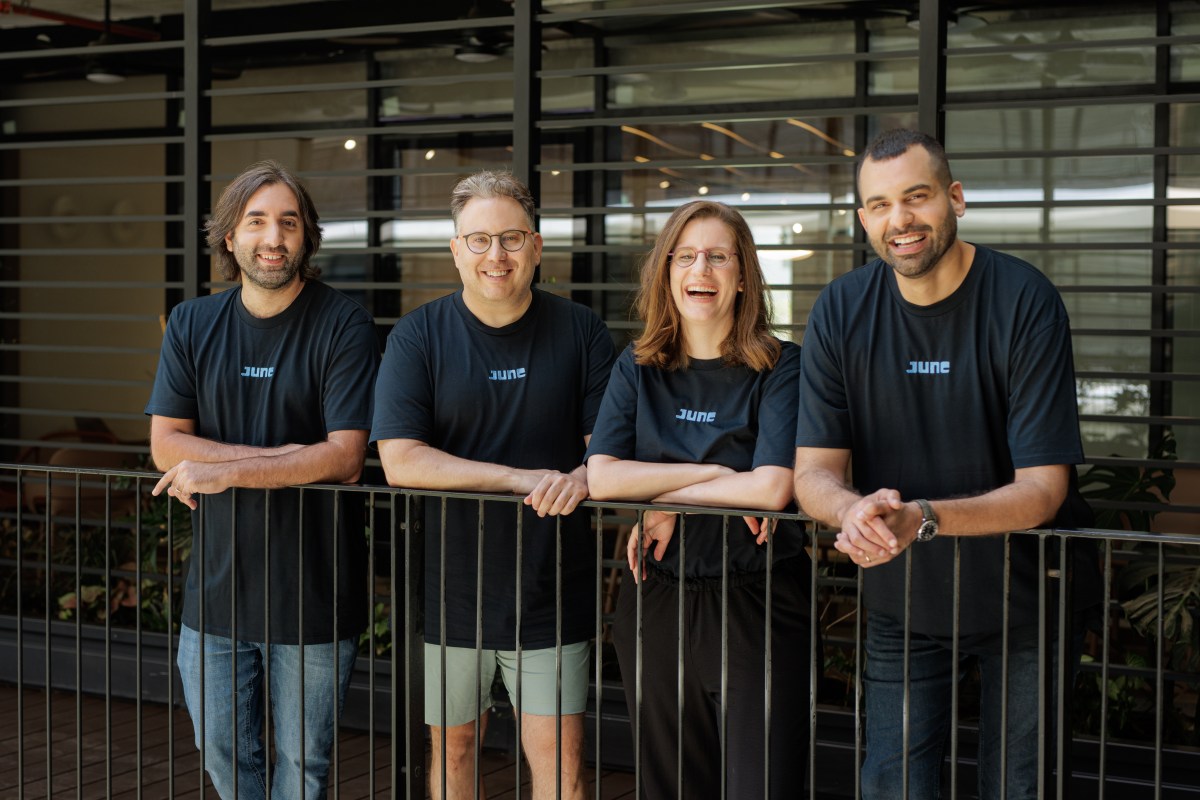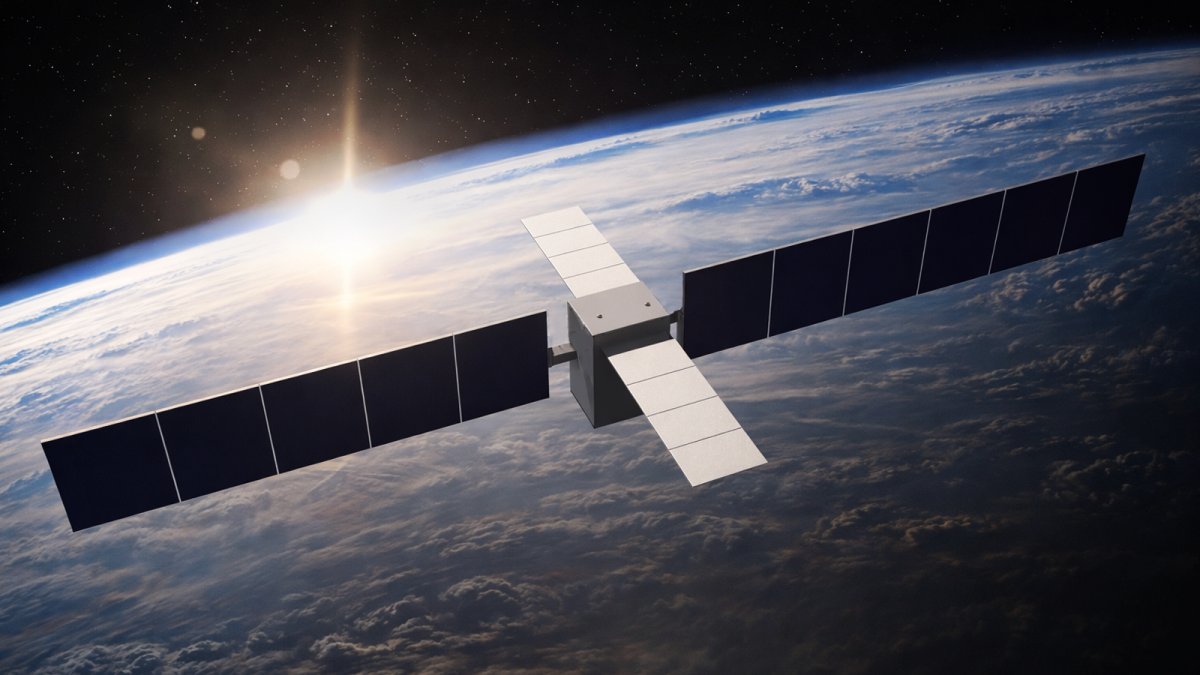
An e-scooter startup founder just raised $5 million to put data centers in orbit. Not in Texas. Not in a converted warehouse. In space. I know what you’re thinking. But when Anthropic’s revenue grew from $9 billion to $47 billion in under six months, calling this crazy takes real nerve.
The AI Hunger Nobody Planned For
The AI compute problem is not a future worry. It’s here now and it’s accelerating fast.
According to Fast Company Corporate Analysis, Anthropic’s annualized revenue went from $9 billion at the end of 2025 to $47 billion by May 2026. That’s a 422% jump in under six months. The company raised $65 billion in a single Series H round, pushing its valuation to $965 billion. It then filed a confidential S-1 with the SEC on June 1, 2026, targeting a valuation near $1 trillion, according to Anthropic Corporate Newsroom.
Every dollar of that revenue demands compute. Servers. Power. Cooling systems the size of city blocks. Traditional data centers are already running behind. Land is expensive. Power grids are under strain. Permits take years. The founder of a small e-scooter company looked at all of this and decided to skip Earth entirely. That’s either the dumbest move of 2026 or the most forward-thinking one.
Why This $5 Million Bet Is Smarter Than It Looks
Most people hear “space data center” and picture a joke. They think about the billions SpaceX has burned. They picture a lonely server floating in orbit with no one to reboot it. That reaction is wrong. Here’s why.
According to Counterpoint Research, Anthropic alone commanded 41.7% of enterprise LLM spending by mid-2026. It earned the highest average monthly revenue per active user in the industry at $33.30, compared to OpenAI’s $2.20. That gap tells you something important. Corporations are not buying AI as a novelty. They’re buying it as core infrastructure, and they’re paying premium prices to get it right.
The volume of that demand is staggering. According to Fast Company Corporate Analysis, the number of corporate clients paying Anthropic more than $1 million per year doubled from 500 to over 1,000 in under 90 days. PwC, Snowflake, and Deloitte are running full-scale rollouts. Every one of those clients runs workloads that devour data center capacity around the clock.
Now add this: according to Anthropic’s own June 4, 2026 disclosure, more than 80% of the code merged into its production software is now written autonomously by Claude. AI systems are running AI workloads. Demand compounds on itself. There is no plateau in sight.
That’s the market this founder is betting on.
The cost of reaching orbit has dropped roughly 90% over the past decade. A $5 million raise won’t build a full constellation, but it buys a proof of concept, a pilot payload, and enough credibility to raise the next round. Space data centers solve problems ground-based ones can’t. There’s no land cost. The thermal environment cuts cooling expenses. Solar power is constant above the atmosphere. For specific AI workloads like batch processing and model inference, latency is secondary to raw throughput and cost per compute unit.
I’ve watched enough startup cycles to know that the founders who look crazy at $5 million are often the ones raising $500 million two years later. If you want to stay ahead of AI infrastructure stories like this one, turning them into short watchable videos is one of the fastest ways to build an audience right now. InVideo AI makes that process fast enough to do without a production team.
What This Means For You
I’m not telling you to wire $5 million to a space startup. But I am telling you this raise is a signal worth reading carefully.
The AI infrastructure shortage is one of the defining investment themes of 2026. Anthropic filed a confidential S-1 targeting a $1 trillion valuation, according to Anthropic Corporate Newsroom. When the leading AI company is worth as much as many countries’ annual GDP, the companies that serve it, including power, cooling, chips, and data centers, become serious businesses.
Here is what I would do if I were placing bets right now.
First, watch where the compute money flows. Anthropic’s revenue jumped from $30 billion in April 2026 to $47 billion in May 2026 alone, according to Fast Company Corporate Analysis. That pace tells you demand is not slowing. Any startup offering a cheaper or faster path to compute is worth watching closely.
Second, look for the picks and shovels plays. The people who got rich in the California gold rush sold shovels, not gold. Space data center infrastructure, launch services, orbital thermal systems, these are the shovels of the AI era. The founders mining those opportunities may do better than the ones building the AI itself.
Third, don’t ignore small raises. $5 million sounds like nothing against Anthropic’s $65 billion Series H. But early-stage is where the multiples live. If you want tools to track AI infrastructure startups and market intelligence without paying enterprise prices, AppSumo has lifetime software deals that can replace multiple subscriptions at a fraction of the cost.
The window on these early-stage plays will not stay open forever.
The Bottom Line
An e-scooter founder betting on space data centers sounds like a punchline until you look at the numbers. Anthropic grew its revenue 422% in six months. AI is writing its own code. Compute demand compounds on itself with no ceiling in sight. The founder who looked up, literally, might be the only one looking at the last place on the map with room left to build. I’d rather be early and look wrong than be late and watch someone else collect the returns.
Frequently Asked Questions
What are space data centers and how do they work?
Space data centers are computing facilities placed in orbit rather than on the ground. They use direct solar power above the atmosphere and the natural cold of space for thermal management. For AI companies facing power and land shortages on Earth, they offer a way to add compute capacity without waiting years for permits or power grid approvals.
Why would an e-scooter founder build space data centers?
Founders who move between industries often spot problems that insiders miss. The AI compute crunch is well-documented, with companies like Anthropic growing revenue from $9 billion to $47 billion in under six months, according to Fast Company Corporate Analysis. A founder who built physical infrastructure deployment at scale on the ground may see orbital deployment as the logical next step in solving the same problem.
Is $5 million enough to launch a space data center?
Not for a full commercial operation. But it’s enough to build a pilot payload, validate the core technology, and attract follow-on capital. Many successful space companies started with seed rounds well under $10 million before securing the funding to go further. The goal at this stage is proof, not scale.
How does Anthropic’s growth connect to the space data center story?
Anthropic’s annualized revenue hitting $47 billion by May 2026, according to Fast Company Corporate Analysis, is a proxy for the broader AI compute appetite. The more AI scales, the more processing power it consumes. Traditional data centers face hard limits on land, power, and cooling. Space is one serious answer to where that capacity can come from.
Should investors pay attention to AI infrastructure startups?
According to Counterpoint Research, Anthropic held 41.7% of enterprise LLM spending in mid-2026. The companies building infrastructure that powers that spending, including data centers, chips, and energy systems, sit directly in the path of that capital. Early-stage AI infrastructure plays carry real risk, but the demand side of this equation has rarely been stronger.