Deezer's AI Music Detector Exposes 75,000 Fake Tracks Daily
“`html
Deezer’s AI Music Detector Exposes 75,000 Fake Tracks Daily
The music industry has a fraud problem that makes crypto rug pulls look tame. According to Deezer’s own data, up to 85% of streams racked up by fully AI-generated tracks are completely fake, bot-driven, and stealing real money from real artists every single day. This isn’t a minor glitch. It’s a systemic wealth transfer from human creators to algorithm operators, and it’s happening inside playlists you think you built yourself.
What Deezer Just Launched
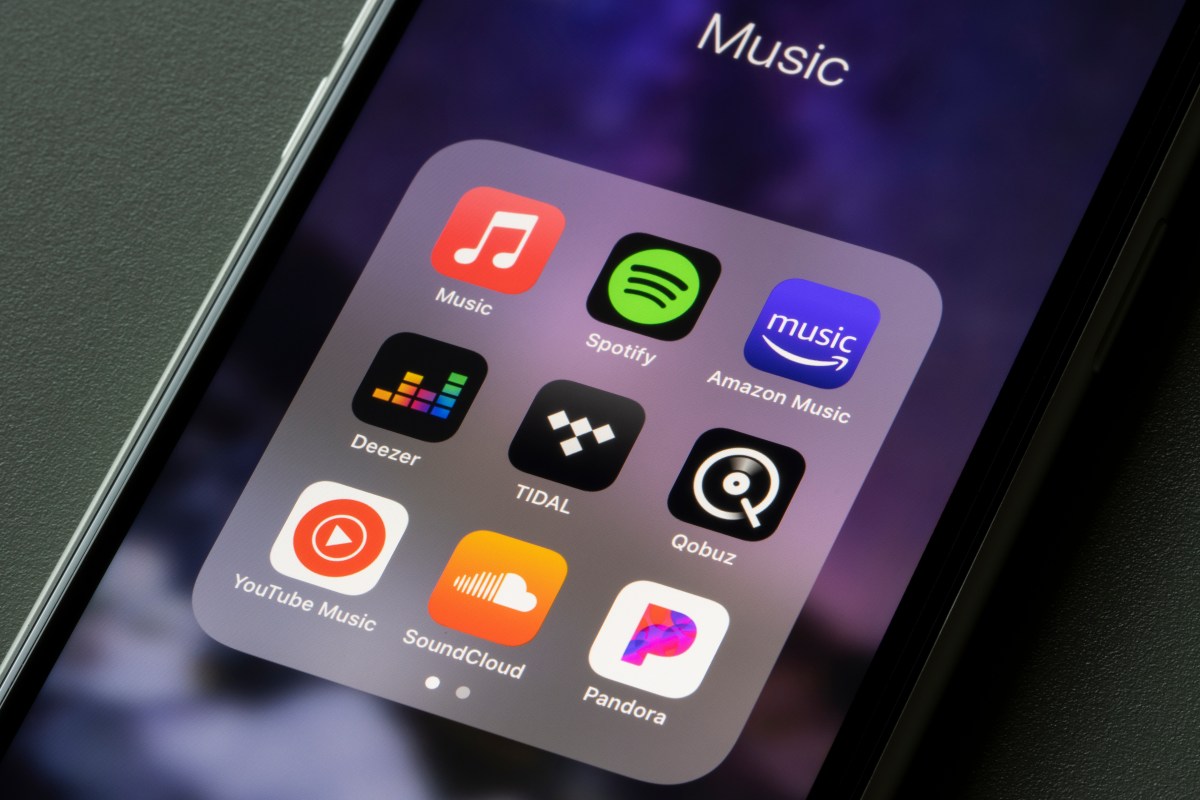
On June 11, 2026, Paris-based Deezer officially launched a free, public-facing AI Music Detector. The tool lets anyone connect their Spotify, Apple Music, or 20 other streaming service accounts and scan personal playlists for synthetic audio, according to The Next Web and Music Week.
This didn’t come from nowhere. Deezer has been running its own in-house scanner since early 2025. According to The Next Web and Music Week, that scanner tagged over 13.4 million fully synthetic songs across its own platform throughout the 2025 calendar year. Now Deezer is taking the fight to every other platform’s library too.
The scale of what they’re fighting is staggering. According to The Next Web and the Deezer Newsroom, Deezer currently intercepts nearly 75,000 fully AI-generated tracks every single day. That number represents 44% of all new global music uploads. More than four in ten songs hitting streaming platforms right now are synthetic. Think about that the next time you trust an algorithm to serve you something real.
This Is a Financial Attack on Human Creators
I want you to think about this the way you’d think about a token being diluted. Streaming royalties work on a pro-rata model. Platforms take the total pot of money and divide it based on each track’s share of total streams. When bots pump fake streams for AI-generated content, they grab a bigger slice of the pool. Human artists get squeezed out. Real dollars leave real pockets.
According to The Next Web and Deezer’s own detector documentation, up to 85% of streams accumulated by fully AI-generated tracks were entirely fraudulent, orchestrated by bots and automated streaming farms. This isn’t passive harm. Someone is actively running operations to steal royalties at industrial scale. It’s wash trading for music, and it’s been running wide open while platforms looked the other way.
Deezer CEO Alexis Lanternier confirmed to The Next Web that all tracks verified as AI-generated are instantly stripped from editorial playlists and recommendation engines. Fraudulent stream counts are also wiped from artist payout calculations. That’s the right move. But Deezer can only police its own house. The other 20-plus platforms in this fight are still largely flying blind.
Here’s where it gets worse. According to The Next Web and Music Week, when the tool went public on June 11, 43% of users who migrated their libraries from competing platforms found fully AI-generated tracks mixed into their active personal playlists without their knowledge. Nearly half of real listeners were unknowingly consuming synthetic content they never asked for.
The detector is built specifically to flag audio from Suno and Udio, the two dominant generative music platforms. According to the Deezer Newsroom and the Free AI Music Detector documentation, the tool achieves 99.8% precision accuracy with fewer than 1 false positive per 10,000 human-made tracks. That’s a tighter margin than most financial fraud detection systems I’ve seen deployed anywhere.
For labels and distributors now adding detection tools and compliance spending to their budgets, keeping those costs clearly categorized matters. A platform like Wallester, which handles business card management and expense tracking for companies with multiple spend categories, makes it easier to separate operational costs as this industry arms race heats up.
What This Means for You
If you’re a music creator, a rights holder, or even just a listener who cares where their subscription money goes, here is what I would do right now.
First, use the tool. It’s free. Connect your streaming accounts to Deezer’s AI Music Detector and run a scan. Based on the public rollout data, there’s close to a coin-flip chance you’ve got synthetic tracks sitting in your playlists right now without knowing it.
Second, if you’re an independent artist or run a small label, start treating royalty fraud the way you treat any other financial threat. Document your stream counts. Screenshot your analytics regularly. If you see sudden, unexplained spikes in streams without matching growth in followers or saves, that’s a red flag. It could mean fraudulent content is diluting your payout pool directly.
Third, watch what Deezer does on the business side. According to Music Week, Deezer has already begun licensing its patent pending detection technology to other streaming services, rights management societies, and distributors under its “Deezer for Business” software suite. The platforms that adopt this infrastructure early will have a real advantage protecting creator payouts. The ones that don’t will keep bleeding artists.
If you’re running payroll for a music company or independent label and you’re now bringing on compliance staff or new technology vendors to address this, Gusto handles payroll and contractor payments cleanly across growing teams. That’s one less operational headache while the industry figures out who’s responsible for the mess.
Finally, push the labeling conversation with every platform you use. According to a global survey by Deezer and Ipsos cited by The Next Web and Music Week, 97% of 9,000 respondents couldn’t identify an AI-generated song from a human-made one in a blind test. But 80% said they want synthetic music explicitly labeled on streaming surfaces. The consumer demand is already massive. The platforms just need pressure to act on it.
The Bottom Line
Deezer just built the smoke detector the music industry refused to install for two years. The fact that 44% of new uploads are synthetic, according to The Next Web and the Deezer Newsroom, isn’t an anomaly. It’s a structural crisis. Bot farms are printing fake streams, extracting real royalty dollars, and hiding inside playlists you thought you curated yourself. The platforms that ignore this aren’t being careless. They’re choosing a side. Now you know which one.
Frequently Asked Questions
What is Deezer’s AI Music Detector?
It’s a free public tool Deezer launched on June 11, 2026, that lets users connect their Spotify, Apple Music, and 20 other streaming accounts to scan playlists for AI-generated tracks, according to The Next Web and Music Week. It uses the same detection technology Deezer first deployed on its own platform in early 2025, now made available to anyone with an account on any major service.
How accurate is Deezer’s AI music detection?
According to the Deezer Newsroom and the Free AI Music Detector documentation, the tool achieves 99.8% precision accuracy and produces fewer than 1 false positive per 10,000 human-made tracks. It’s specifically built to identify audio generated by Suno and Udio, currently the two most widely used AI music platforms.
Why do AI-generated tracks hurt real artists financially?
Streaming royalties are divided based on each track’s share of total streams across a platform. According to The Next Web and Deezer’s detector documentation, up to 85% of streams on AI-generated tracks are fraudulent, driven by bots and automated streaming farms. That inflates the synthetic content’s share of the royalty pool and pulls real money away from human creators who earned it.
Can listeners actually tell the difference between AI music and human music?
Almost never. According to a global survey by Deezer and Ipsos cited by The Next Web and Music Week, 97% of 9,000 respondents failed to identify AI-generated music in a blind listening test. Despite that, 80% of those same respondents said they want all synthetic music explicitly labeled on streaming platforms. The awareness gap is real, and it’s being exploited right now.
Is Deezer making this detection technology available to other streaming platforms?
Yes. According to Music Week, Deezer has already begun licensing its patent pending AI detection infrastructure to other digital service providers, collective rights management societies, and music distributors through its “Deezer for Business” software suite. Which platforms choose to adopt it and which ones don’t will tell you everything about their actual priorities.
“`
Get stories like this in your inbox. Daily.
Free. No spam. The AI, tech, and finance stories that move money.