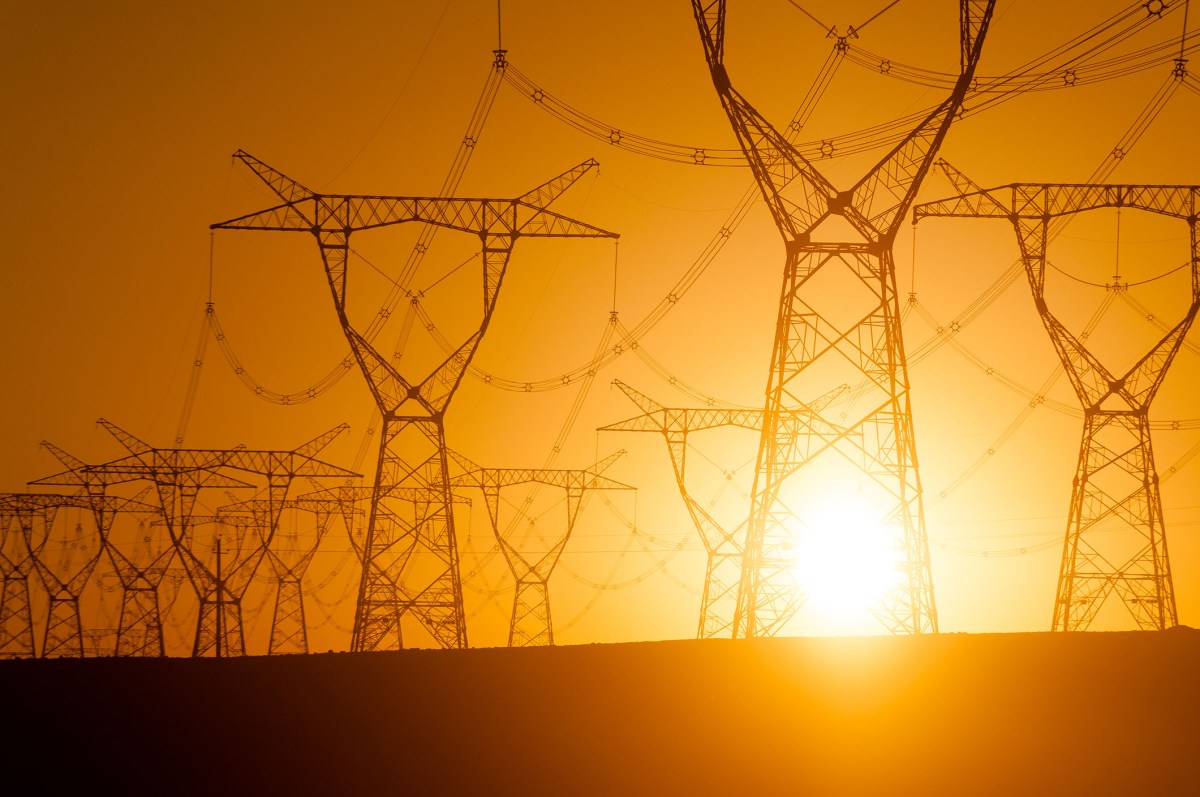
The largest power grid in America is drawing up curtailment plans for data centers. PJM Interconnection, which serves 65 million people across 13 states, is moving toward temporary power cuts targeting crypto miners and AI server farms during peak demand periods. Most operators running these facilities have no plan. The ones who do will gain a pricing advantage while everyone else scrambles.
What Is Happening Right Now
PJM Interconnection runs the backbone of the eastern United States power supply. According to PJM, electricity demand on its grid is projected to grow by 40 percent over the next decade, driven almost entirely by data centers and crypto mining operations. The grid was not built for this level of load.
Power plant retirements are outpacing new generation coming online. According to the Federal Energy Regulatory Commission, more than 40 gigawatts of generation capacity have been retired across US grids since 2020. Meanwhile, data centers keep signing power agreements at a record pace. According to the Data Center Coalition, US data center capacity grew by over 30 percent in 2025 alone.
The result is a grid under serious pressure. When grids get stressed, operators face a simple choice: cut power to some users selectively, or let the whole system fail at once. PJM is choosing the targeted cut. Data centers with interruptible contracts are first in line. This is already written into their agreements. Most operators just never expected it to actually happen.
The Money Story Most People Are Missing
Here is where the average person and the sharp operator see completely different things.
The average person reads “data center power cuts” and thinks it’s a tech story. Maybe a government overreach story. They post about it and move on. They don’t own the data center. They don’t own the energy company. They don’t own the assets that benefit from this shift.
The sharp operator looks at this and sees several moves worth making right now.
First, power costs are about to get more expensive and more complicated for anyone running compute at scale. According to Lawrence Berkeley National Laboratory, data centers consumed about 4.5 percent of total US electricity in 2024, and that share is rising fast. When interruptible contracts become standard for large loads, operators who built their business assuming stable power around the clock will have serious problems. Operators who planned for curtailment will have a structural cost advantage.
Second, the energy companies that can provide firm, guaranteed power are going to charge a premium for it. That premium becomes a moat. If you’re looking at data center REITs or energy infrastructure plays, the ones with firm power contracts or onsite generation are the ones worth watching. The others are running a hidden risk that isn’t priced in yet.
Third, crypto mining is particularly exposed here. Many mining operations signed interruptible contracts to get cheaper power rates. According to the Cambridge Centre for Alternative Finance, Bitcoin mining consumes roughly 140 terawatt-hours of electricity per year globally, with US operations representing a growing share. Miners who get curtailed during peak demand lose hash rate and block rewards in real time. Miners with backup generation or located in less stressed grid regions gain relative advantage every time a competitor goes dark.
I’m not saying energy exposure is automatically a winner. I’m saying the people who understand this story will see the spread between winners and losers before the market prices it in. That gap is where money gets made.
If you’re running a business that depends on any kind of compute or digital infrastructure, audit your power exposure now. Review your vendor contracts. Understand your SLAs. Know what happens to your business if your colocation facility gets curtailed for four hours on a hot July afternoon. Tracking these costs clearly matters too. A business card platform like Wallester helps you separate and monitor spending by category, which makes it a lot easier to understand where your infrastructure costs actually live and where curtailment events are hitting your budget.
What This Means For You
If you run or invest in a compute-heavy business, here is what I would do right now.
Get your power contracts reviewed. If you’re on an interruptible rate schedule, know the exact terms. Know how much notice you get before curtailment. Know what compensation, if any, you receive for downtime. Many businesses signed these contracts without reading the fine print because the power savings looked good on a spreadsheet.
Build a curtailment plan before you need one. What shuts down first if you lose power for two hours? What stays on? Which workloads can shift to off peak times? AI training runs are interruptible. Inference serving often is not. Know the difference before you’re making that call under pressure.
Think about geography. Northern Virginia hosts more data center capacity than anywhere else on earth and sits inside one of the most stressed regions of the PJM footprint. If you’re siting new capacity, grid stress maps belong in your due diligence. This stopped being optional about a year ago.
Curtailment events also create irregular cost spikes: backup generator fuel, idle compute time, SLA penalties, overtime for staff managing failover. If your payroll and vendor payments aren’t organized cleanly, these events will create accounting chaos on top of the operational chaos. Running payroll through Gusto gives you clean records and fast processing even when your operations are under stress and your team is working irregular hours.
Finally, watch what the large hyperscalers do. When Amazon, Microsoft, and Google start building more onsite generation and signing long-term power purchase agreements, they’re signaling where the market is going. Follow the capital, not the headlines.
The Bottom Line
The US grid was not built for 2026. AI and crypto showed up faster than anyone planned for. The operators who built data centers assuming unlimited cheap power around the clock are about to find out what interruptible actually means in practice. The ones who planned for this will charge more, operate cheaper, and take the contracts the unprepared operators lose. Power is the new constraint in tech. Start treating it like one.
Frequently Asked Questions
What is PJM Interconnection and why does it matter for data centers?
PJM is the largest regional transmission organization in the United States, managing electricity flow across 13 states and Washington DC for about 65 million people. It matters for data centers because a huge share of US server capacity sits inside its footprint, particularly in Northern Virginia. When PJM makes curtailment decisions, it directly affects a massive portion of the country’s digital infrastructure.
Can data centers actually be forced to shut down temporarily?
It depends on the power contract. Many large power consumers sign interruptible service agreements to get lower electricity rates. Under those agreements, the grid operator can request load reductions during peak demand or emergencies. Facilities without backup generation either comply or pay for expensive diesel power while the event runs.
How does this affect crypto mining specifically?
Crypto miners are particularly exposed because many of them actively sought interruptible contracts to get the cheapest power available. During curtailment events, they lose hash rate and block rewards. Miners in less stressed grid regions or with firm power contracts will see their relative profitability improve each time a competitor goes offline.
What is the difference between a blackout and a curtailment?
A blackout is an uncontrolled failure that hits everyone in a region at once. A curtailment is a planned reduction where specific large consumers reduce their load to prevent the grid from reaching a failure point. Grid operators use curtailment to avoid blackouts. Data centers are being targeted because they’re large, manageable loads that can absorb the hit without affecting residential customers.
How should a business owner prepare for power curtailment risk?
Start by reviewing every vendor contract that touches your compute or data infrastructure. Understand whether your providers have interruptible power agreements. Then build an operational plan that defines which workloads are critical, which can pause, and what a four-hour curtailment actually costs your business in lost revenue or recovery time.