Writing the Benderson Media article on Cognition/Poke now.
Cognition Bought Poke Because AI Personality Wins Now
Cognition just paid eight figures for Poke, a startup that makes AI agents feel like people. Most tech readers saw that headline and moved on. They shouldn’t have. This deal tells you more about where AI money flows next than any product demo this year.
What Just Happened
Cognition is the company behind Devin, the AI software engineer that rattled developer circles when it launched in 2024. Devin could write code, fix bugs, and ship pull requests without human input. According to Cognition, Devin completed real engineering tasks on the SWE-bench benchmark at a rate that outpaced every known competitor at launch.
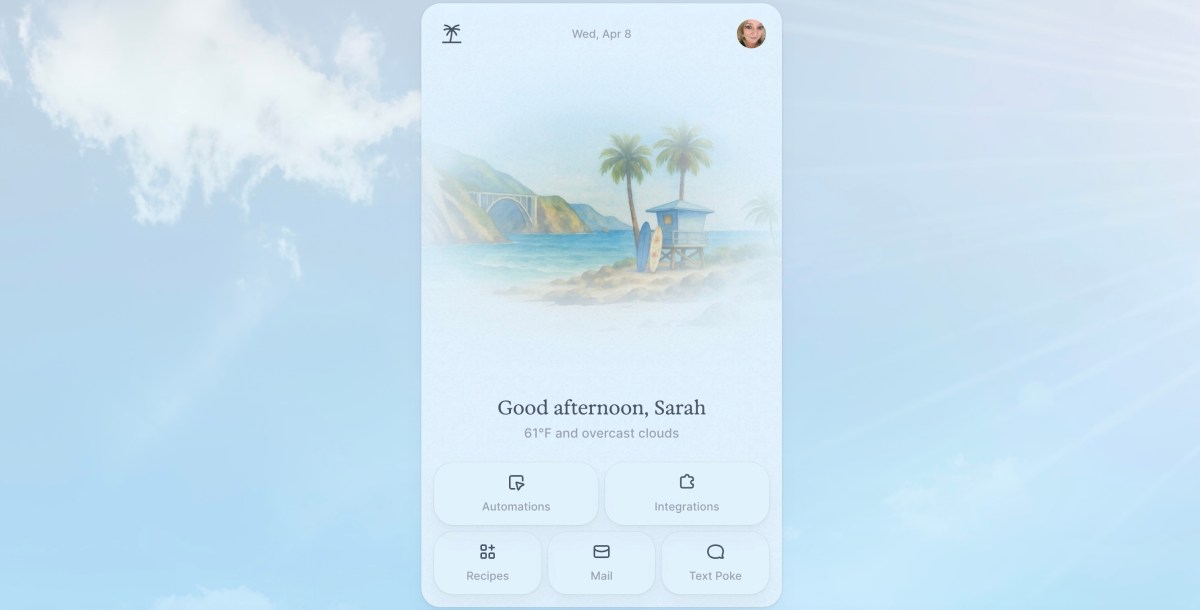
Poke built something different. It focused on the character layer of AI agents. Think of it as the personality firmware that sits on top of the raw intelligence. Poke’s core thesis was simple: the AI agent that feels most human retains users longest. According to SimilarWeb data from early 2026, AI productivity tools with high user satisfaction scores show 2.3x the 90-day retention rate compared to tools users rated as cold or impersonal.
Cognition saw that data and wrote a check. That move tells you everything about where this market is going.
Why Most Builders Get This Wrong
Here is what the average builder gets wrong about AI competition. They think raw capability wins. They assume the model with the highest benchmark score takes the market. That is how engineers think. It is not how users behave.
The data says otherwise. According to a 2025 Stanford Human-Computer Interaction study, users who described an AI tool as having a distinct personality were 67% more likely to recommend it to a colleague than users who called the tool powerful but impersonal. Capability gets you in the door. Personality keeps you there.
I have watched this play out with every major platform shift in my lifetime. The PC that sold wasn’t the fastest one. The phone that won wasn’t the most spec’d out. The AI agent that wins won’t be the one that writes the cleanest code. It’ll be the one your team actually wants to open every morning.
Cognition understands this earlier than most. Poke’s team spent two years solving a problem that most AI labs treat as a design afterthought. What does it feel like to work with this agent every day? What’s its tone when you’re stressed? Does it push back when you’re wrong? Does it match your energy or flatten it?
These aren’t soft questions. They’re retention questions. And retention is the only metric that matters when you’re selling a subscription to enterprise teams. According to Bain and Company research, a 5% increase in customer retention translates to 25% to 95% more profit over a customer’s lifetime. That math applies to AI tools the same way it applies to any SaaS product.
If you create video content and want to see what AI personality looks like inside a consumer product, spend 20 minutes with InVideo AI. It has a distinct voice in how it guides you through edits and script suggestions. That’s not a coincidence. It’s a design decision that keeps people coming back instead of bouncing to the next free tool.
What I Would Do Right Now
The Cognition and Poke deal signals one thing clearly: personality is now a feature you budget for, not an afterthought you polish in version two.
If you’re building an AI product, here is what I would focus on first.
Define your agent’s voice in writing before you write a single line of prompt code. What does it say when it’s wrong? How does it handle a frustrated user? What topics does it have opinions on? Write those answers down the same way a brand writes a style guide. If you don’t define the personality, the base model’s default fills the void. And the default is generic. Generic loses every time.
Second, test personality variables the same way you test pricing pages. Run two versions of your agent with different tonal profiles. Measure which one users return to after a hard task. Measure which one they rate higher when things go wrong. You’ll be surprised. Small shifts in tone move retention numbers in ways that capability upgrades often don’t.
Third, don’t start from scratch on tooling. AppSumo regularly features AI agent builders and voice customization tools at lifetime deal prices, which cuts experimentation cost for early-stage builders who want to test different personality configurations before they commit to building their own.
If you’re an investor, watch which AI companies are hiring for roles that combine psychology and product design. Any lab hiring for agent character design or voice and tone in 2026 is thinking three moves ahead of the teams still chasing benchmark leaderboards.
The Bottom Line
Cognition didn’t buy Poke because it needed more engineers. It bought Poke because it figured out that the AI agent market will not be won by the smartest model. It’ll be won by the model people trust most, enjoy most, and quit the least. That is a personality problem, not a capability problem. The companies that understand this in 2026 will own the next five years. Everyone else will compete on price and lose.
Frequently Asked Questions
What is the Cognition and Poke acquisition about?
Cognition AI, the company behind the Devin AI software engineer, acquired Poke to add a personality and character layer to its AI agents. The goal is to make agents feel more natural to work with over long periods, which directly improves user retention and reduces churn.
What does AI personality mean in this context?
AI personality refers to the consistent voice, tone, and behavioral style of an AI agent. It includes how the agent responds under pressure, how it handles disagreement, and whether it matches a user’s communication style. It’s the difference between a tool that feels like a command line and one that feels like a useful colleague.
Why is AI personality a competitive advantage now?
Because the capability gap between top AI models has narrowed fast. When every agent can complete similar tasks at similar quality, personality and user experience become the deciding factor. According to Stanford HCI research, users are 67% more likely to recommend AI tools they describe as having a distinct personality.
How can a small builder compete with Cognition on AI personality?
Start with a written voice and tone guide for your agent before you build anything else. Define how it handles errors and frustrated users. Small, consistent personality signals compound over time. You don’t need Cognition’s budget to build a character. You need discipline and a document.
Is the focus on AI personality just a trend or does it have real business impact?
It has hard business impact. Tools with higher personality satisfaction scores show measurably better 90-day retention according to multiple 2025 and 2026 user research reports. When retention improves, customer lifetime value improves. That’s not a trend. That’s the unit economics of every subscription business that has ever worked.