Nolan Calls AI a Trojan Horse and the Money Proves It
“`html
Nolan Calls AI a Trojan Horse and the Money Proves It
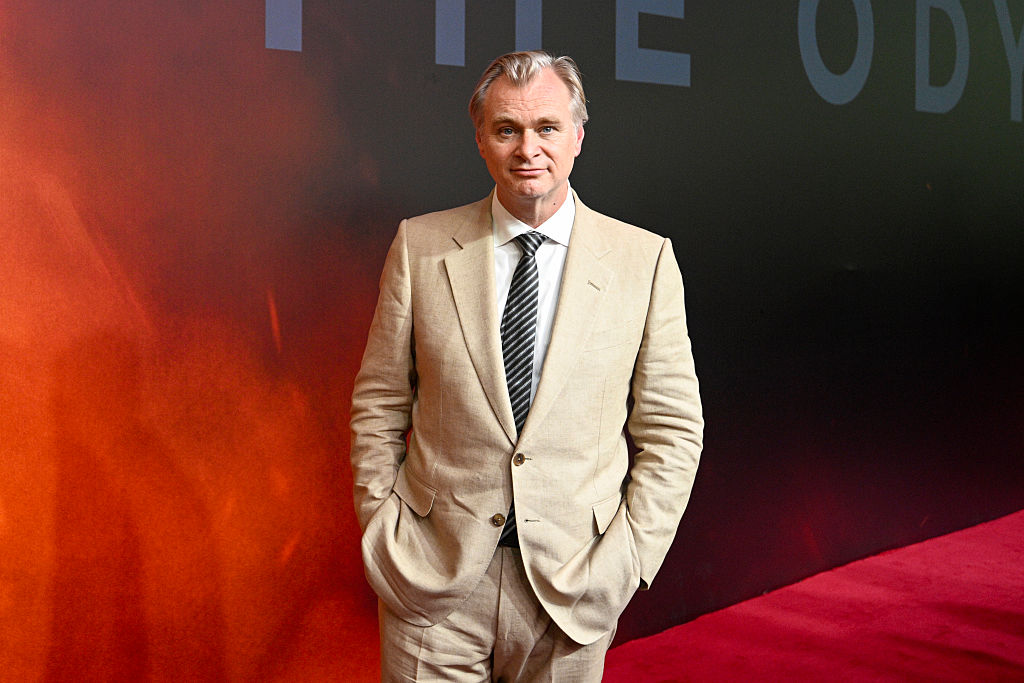
Christopher Nolan just said out loud what Hollywood insiders have whispered for two years. While promoting his new film Odyssey, he called AI an obvious Trojan horse. That phrase is doing a lot of work. The global AI software market is projected to hit $1.8 trillion by 2030, according to PwC, and most of that money flows through companies built to replace the humans who make the content people actually pay to watch.
What Nolan Said and Why It Landed
Nolan has never been subtle. He shot Oppenheimer on IMAX film, insisted on practical effects for Interstellar, and has spent his career arguing that the physical, human act of making movies matters. So when he calls AI a Trojan horse, he’s not being dramatic. He’s reading the business model.
The phrase is specific. A Trojan horse isn’t something obviously dangerous. It’s something sold as a gift. The pitch to studios is efficiency. Faster scripts, cheaper visual effects, lower overhead. But what actually enters the gates, in Nolan’s framing, is a full replacement strategy for the humans who make the content.
He made this comment while releasing a film that reportedly cost over $250 million to produce, according to industry tracking by Deadline. Nolan still bets on big, human-made cinema. That’s a financial position as much as an artistic one.
The Real Money Behind the Warning
Here’s where most people stop reading and miss the point entirely.
Nolan’s comment isn’t about art. It’s about who captures the value when AI enters a creative industry. And the fintech parallel is almost exact.
In 2023, the Writers Guild of America struck for 148 days. One of the central demands was protection from AI replacing writers. Studios agreed to limits, but those limits reset on renegotiation cycles, according to the WGA. The studios signed because they needed writers back immediately. They have not stopped building AI tools since.
AI investment in media and entertainment reached $4.8 billion in 2024, according to Goldman Sachs research. That capital isn’t going to studios trying to make better films. It’s going to the platforms and software companies that sell tools to those studios. The wealth transfer is already in motion. It’s moving from human creators to infrastructure owners.
This is the Trojan horse. The tool looks like it helps creators. The business model is built on removing the creator from the equation entirely.
The pattern in fintech is direct. When AI underwriting tools entered consumer lending, the pitch was faster approvals and lower default rates. What followed was consolidation. Smaller lenders couldn’t afford the infrastructure. The big platforms absorbed market share. According to McKinsey, the top five AI-equipped lenders now control 38 percent of consumer loan origination volume, up from 14 percent five years ago. Same pattern. Different industry.
If you’re running a small production company, a creative agency, or any business built around content, you need to treat your cost structure seriously right now. Tools like Wallester let you set spending limits across your team and track exactly where your production budget is going, which matters when you’re deciding which AI subscriptions are worth keeping and which ones are quietly replacing headcount you actually need.
What This Means for You
Nolan’s critique is a business signal, not a film school lecture. Here’s how I read it.
If you’re an investor, the Trojan horse thesis points to a clean trade. Don’t bet on the studios. Bet on the tool providers. Studios will absorb short term AI savings and compete on those savings until margins compress. The companies selling the tools collect fees from every studio, every streaming network, every content platform. That’s a far stronger position.
If you’re a creator or operator, the signal is different. You need to be more expensive to replace, not less. Your value has to come from relationships, taste, context, and judgment. None of those are easily automated. Nolan’s films earn because audiences trust his specific vision. No studio can replicate that with a prompt.
If you’re building a team right now, this is also a hiring moment. People who understand both the creative and technical sides of AI production are rare and they’re getting hired fast. If you’re managing payroll for a small media or tech team, Gusto makes it easier to handle benefits and compensation for specialized hires, which matters when you’re competing against studios for the same talent pool.
The wrong move is treating Nolan’s comments as nostalgia. He’s not defending old technology. He’s identifying where the money goes when a new technology takes over an industry. He’s watched this play out in his own craft for two decades.
The Bottom Line
Nolan didn’t call AI bad. He called it a Trojan horse, which is far more precise. Inside the horse is a revenue model that pays the infrastructure companies and leaves creators fighting over smaller and smaller slices. The people who see this clearly and position themselves on the infrastructure side, or make themselves genuinely irreplaceable on the creative side, will come out ahead. Everyone else is watching the gates open and calling it progress.
Frequently Asked Questions
What did Christopher Nolan mean by calling AI a Trojan horse?
Nolan used the term to describe how AI is being sold to creative industries as a helpful efficiency tool while its actual business model is built on reducing or eliminating human creative roles. The short term benefit goes to the buyer. The long term value goes to the platform selling the tool.
Does Nolan’s view on AI actually affect how studios will use it?
Probably not directly. Studios make financial decisions, not artistic ones. But Nolan’s commercial track record gives his opinion more weight than most directors. When someone whose films have grossed over $6 billion worldwide calls something a bad deal, according to Box Office Mojo, finance people pay attention.
Is AI actually replacing writers and directors in Hollywood?
Not yet at the top level, but smaller budget productions are already using AI for script drafts, voice work, and visual effects, according to reporting by The Hollywood Reporter. The replacement is happening at the entry level first, which is where most film careers begin.
What is the investment angle on AI in entertainment?
The cleaner trade is in the tooling layer, not the studios themselves. Companies providing AI infrastructure for content production collect fees from every major studio and streaming platform. According to Goldman Sachs, AI software spending in media is projected to grow 40 percent annually through 2027.
How should small creative businesses respond to AI replacing human labor?
Focus on what makes your output specific to you. Generic content is the first thing AI replaces. Proprietary relationships, unique perspective, and deep domain knowledge are much harder to automate. Build those assets on purpose, not by accident.
“`
Get stories like this in your inbox. Daily.
Free. No spam. The AI, tech, and finance stories that move money.