Character.AI Bets Big on Interactive Microdramas
“`html
Character.AI Bets Big on Interactive Microdramas
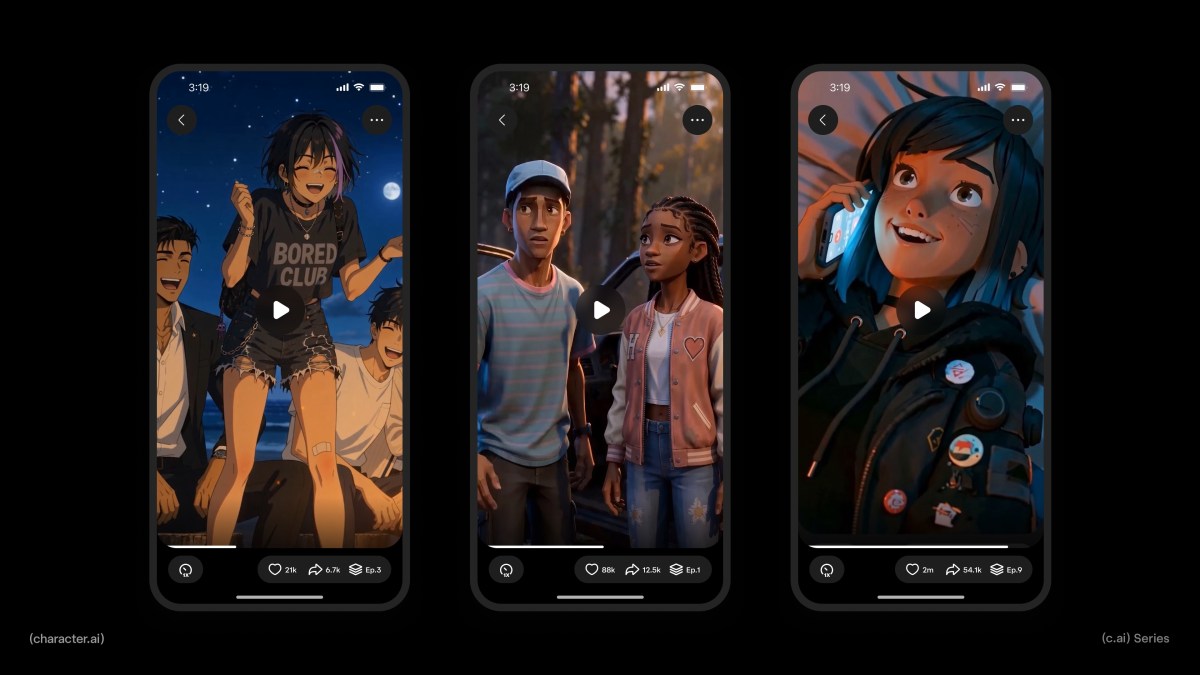
Character.AI just made a move that most people in Hollywood and Silicon Valley are sleeping on. The platform with over 20 million daily active users is now producing its own short-form dramas. But here is the part nobody is talking about: viewers can talk back to the characters. That changes everything about who owns the future of entertainment.
What Is Actually Happening
Microdramas are short serialized videos, usually under five minutes per episode, built for mobile screens and short attention spans. They exploded in China first. According to Bloomberg, the Chinese short drama market generated over $5 billion in 2024 alone and is now outpacing traditional streaming in some demographic segments. Western platforms have been scrambling to catch up ever since.
Character.AI is not just catching up. It is rewriting the format. The company announced it is producing original microdrama content where the characters in the show are powered by its AI models. That means viewers do not just watch the story. They message the characters directly inside the app, shape conversations, and in some cases influence how the plot develops.
According to The Information, Character.AI has been quietly building a content studio arm since late 2025. The first slate of productions targets Gen Z audiences and leans into romance, thriller, and fantasy genres, the exact categories that dominate microdrama consumption globally. This is not a side project. This is a strategic repositioning of what Character.AI actually is.
Why This Is More Than an Entertainment Play
Most analysts are framing this as Character.AI competing with TikTok and Netflix for eyeballs. That framing is wrong, and it is going to cost people money.
Character.AI is not trying to be a streaming service. It is trying to be the company that defines what interactive entertainment means when you can have an actual conversation with a fictional character. That is a completely different business with completely different economics.
Think about the data advantage. When you watch Netflix, Netflix knows what you watched and when you stopped. When you interact with a Character.AI microdrama character, the company knows what you said, what emotional triggers caused you to keep engaging, what storylines made you spend more time in the app, and what kind of character personalities kept you coming back. That is not viewing data. That is behavioral data at a depth no traditional studio can match.
According to Andreessen Horowitz research published in early 2026, users spend an average of two hours per day on Character.AI, more than most social media platforms. Those users are not browsing. They are actively engaged in ongoing narrative relationships with AI characters. Adding professionally produced video content around those same characters does not just increase time in app. It deepens the emotional investment that makes the platform sticky.
Here is the contrarian take: the microdrama format actually makes Character.AI more defensible, not less. Every other player in short-form video is competing on algorithm and content volume. Character.AI is competing on relationship. You do not just watch the show. You know the characters personally because you have been talking to them. That is not a feature. That is a moat.
The rich versus poor mindset shows up here too. A passive consumer watches a microdrama and moves on. An owner or operator looks at this and asks: who is going to build the tools and workflows that help independent creators make interactive content at scale? That is the real business forming right now. If you are a creator or a production company and you are not figuring out how to make interactive video content, you are about to get lapped. Tools like InVideo AI already let small teams produce professional short-form video without a full production budget, and that matters a lot more now that the format requires speed and volume to compete.
What This Means for You
If you are a content creator, this is your signal to start experimenting with short-form serialized content now, before the format gets crowded. Microdramas thrive on cliffhangers, consistent characters, and short episode lengths. You do not need a studio. You need a camera, a script, and a posting schedule.
Here is what I would do. Pick one genre, romance or thriller work best for retention, and commit to a 10 episode arc. Post one episode every two days. The Character.AI model proves that people want to feel connected to characters. Build your audience around characters they can root for, not just topics they find interesting. Characters retain viewers. Topics attract viewers once.
On the production side, the barrier is lower than you think. The microdrama format rewards consistency over polish. A mid-tier smartphone camera and good lighting beat an expensive setup with irregular uploads every time. If you want to move fast and test multiple formats before committing to one, AppSumo regularly features lifetime deals on video production and editing tools that let indie creators build a real workflow without a monthly subscription pile.
If you are an investor or operator watching this space, the category to watch is not Character.AI stock specifically. Watch what happens to the companies building the production infrastructure for interactive content. When a new format takes off, the picks and shovels business usually beats the content business on margins.
According to Sensor Tower, short drama apps saw a 340% increase in downloads across Western markets between 2024 and 2025. That growth is still in early innings. Character.AI entering with interactive characters accelerates the format’s legitimacy in a way that third-party apps cannot.
The Bottom Line
Character.AI is not making TV shows. It is turning fictional relationships into a content format. The company already has your attention for two hours a day. Now it wants to give you a reason to never close the app. That is not entertainment strategy. That is ownership strategy. The creators and operators who understand that shift early will build something real. Everyone else will be a viewer.
Frequently Asked Questions
What is Character.AI’s microdrama format exactly?
Character.AI’s microdrama productions are short serialized video episodes where the characters are powered by its AI models. Viewers can message and interact with characters directly inside the app, making the experience participatory rather than passive. This blends traditional short-form video with the conversational AI features the platform is already known for.
How is this different from regular short-form video on TikTok or YouTube Shorts?
Standard short-form video is one-way. You watch, you react, you scroll. Character.AI’s format lets you have an ongoing conversation with the characters in the story. That shifts the experience from entertainment consumption to something closer to an interactive relationship, which drives much higher engagement and retention.
Is the microdrama market big enough to matter?
According to Bloomberg, China’s short drama market alone exceeded $5 billion in 2024. Western markets are growing fast, with Sensor Tower reporting a 340% jump in short drama app downloads between 2024 and 2025. The market is real and accelerating.
Should independent creators try to build in this format now?
Yes, and sooner rather than later. The format is proven in Asian markets and gaining traction fast in the West. Early movers in any new content format have a significant advantage before competition drives up the cost of audience attention. Starting with a 10 episode arc in a single genre is the lowest-risk way to test your fit with the format.
Does Character.AI’s move threaten traditional streaming platforms?
Not directly and not immediately. Netflix and similar platforms compete on licensed and produced content at scale. Character.AI is competing on a different axis: interactive depth and emotional connection to AI-powered characters. The real pressure falls on social platforms and short drama apps that are not yet building interactive capabilities into their content formats.
“`
Get stories like this in your inbox. Daily.
Free. No spam. The AI, tech, and finance stories that move money.