Brain Waves Are Powering Physical AI in 2026
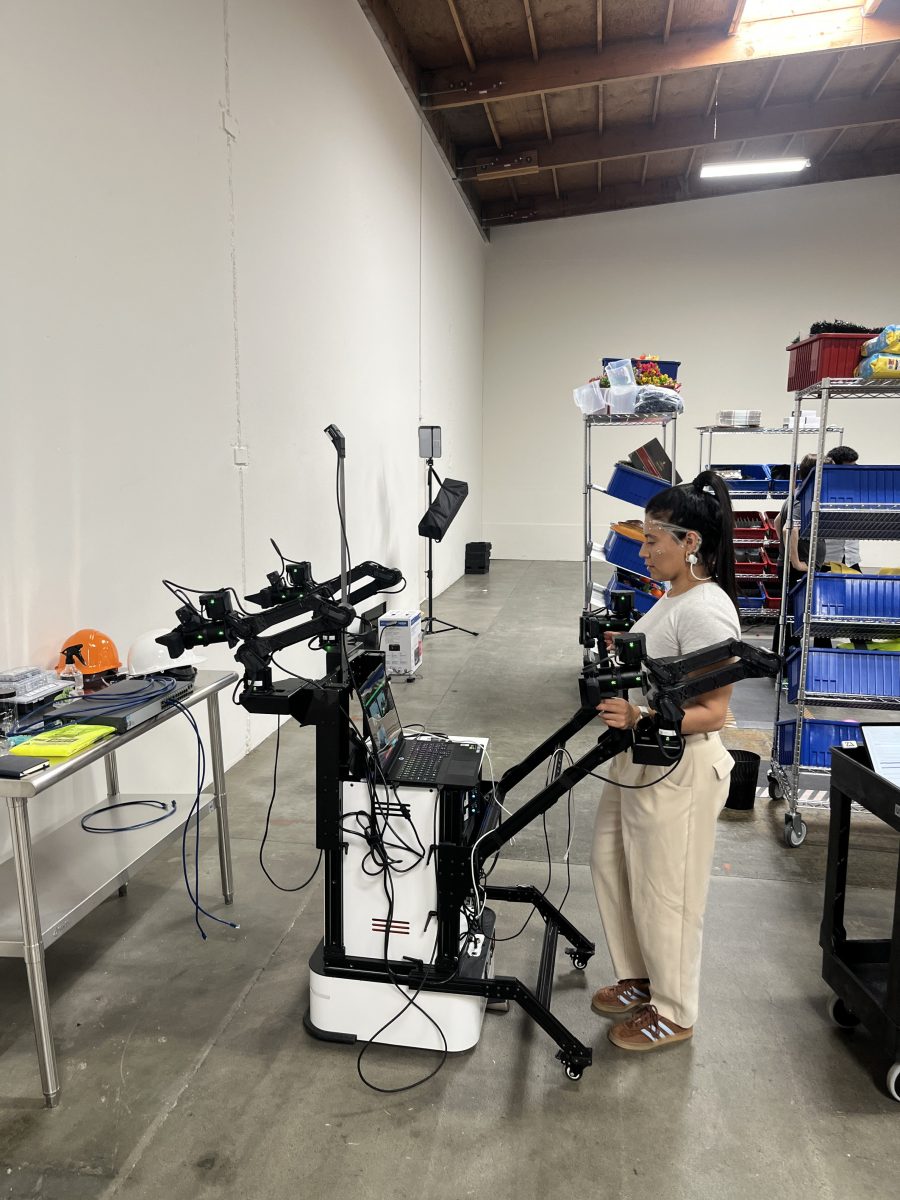
Brain Waves Are Powering Physical AI in 2026
The brain computer interface market hit $2.4 billion in 2025, according to Grand View Research, and it’s accelerating. Right now, companies are piping human neural signals directly into robots, prosthetics, and embodied AI systems. This is not a science fiction story anymore. This is a capital story, and most retail investors are completely asleep at the wheel.
What Is Actually Happening Right Now
Physical AI is AI that lives in the real world, not just on a screen. Robots. Autonomous vehicles. Smart prosthetics. Industrial machines that move, adapt, and respond to their environment. The development in 2026 is that these systems are no longer just running on cameras and sensors. They’re beginning to accept neural input directly from human operators.
Neuralink crossed a meaningful threshold in late 2025 when it began its second cohort of human trials, this time focused on motor control for robotic systems, according to reporting from MIT Technology Review. Synchron, the competitor that uses a stent based approach instead of open brain surgery, had 12 implanted patients by mid-2025, according to Synchron’s published clinical data. Both companies are targeting the same end state: a human who can control machines with thought alone.
Meta’s neural wristband, which reads electromyography signals from the wrist rather than brain tissue, shipped in limited developer access in 2025. It doesn’t read thought. It reads muscle signals. But it’s a preview of the direction: the human body as an input device for AI powered hardware.
According to MarketsandMarkets, the physical AI and embodied intelligence market is projected to reach $38 billion by 2028, up from roughly $12 billion in 2024. That’s more than a 3x jump in four years. The companies connecting the human nervous system to that market are sitting at an intersection Wall Street is still underpricing.
The Contrarian Play Most People Miss
Here’s what I keep telling people: the money in brain wave powered AI is not where most investors are looking.
Everyone wants to buy Neuralink. It’s private. Elon Musk is involved. The hype is loud. But the real capital opportunity sits in the supply chain and the adjacent software layer, not the implant itself.
Think about it this way. When gold rushes happen, the people who sell shovels win. The brain computer interface gold rush has a very specific shovel: signal processing software. Neural signals are messy. Raw EEG data is full of noise and wildly inconsistent across individuals. The companies building the middleware that cleans, interprets, and routes that data to physical AI systems are the picks and shovels play here.
BrainFlow, an open source biosignal processing library, saw its GitHub downloads increase over 300% between 2023 and 2025, according to repository metrics tracked by the project’s maintainers. That tells you where developer attention is going. Developers vote with their time before markets vote with money.
I also think the wearable BCI space is more investable than implants for the next three years. Implants are regulatory territory. They require FDA clearance, neurosurgeons, and years of clinical data. Wearables move faster. Neurosity, Emotiv, and OpenBCI are all building headset based neural input devices that can pair with physical AI systems today, no surgery required.
Rich people look at this and see an infrastructure play. Average people look at it and see a scary headline about brain chips. That gap is where the opportunity lives. If you’re building content or media to explain this space to everyday audiences, tools like InVideo AI let you turn complex research into short, clear video fast. That matters because brain computer interface is a visual story. Charts and diagrams don’t capture it the way video does.
What This Means For You
Here’s what I would do if I were positioning for this right now.
First, stop waiting for a pure play public stock. The BCI space is mostly private. Instead, look at public companies that benefit from the infrastructure. Semiconductor firms making low power edge chips are a direct play. Physical AI systems need chips that process neural signals in real time without draining a battery. That’s a specific chip requirement, and a handful of companies own it.
Second, watch enterprise robotics. The first commercial application of brain wave control in physical AI won’t be consumer facing. It’ll be in factory settings, where a skilled operator controls multiple robotic arms with neural input instead of joysticks. One operator, multiple machines, dramatically higher output per labor dollar. That’s the pitch industrial buyers will fund first.
Third, if you’re a builder rather than an investor, the opportunity is in application development. The hardware is coming. The software layer is thin. Someone has to build the apps that make neural controlled physical AI actually useful in day-to-day workflows. If you want to prototype and ship fast without enterprise software budgets, AppSumo regularly features lifetime deals on AI developer tools that can cut your build costs significantly while you test product ideas.
Fourth, learn to read the regulatory calendar. The FDA’s Center for Devices and Radiological Health is the gatekeeper. Their clearance timeline for neural devices has shortened in recent years, but it’s still the single biggest risk factor for any company in this space. When a company gets clearance, that’s your signal.
According to Pitchbook data from early 2026, BCI startups raised $1.8 billion in venture funding in 2025 alone. That’s a record. Money flowing in at that rate means commercial products are roughly 24 to 36 months out for the consumer market. Institutional money is already positioned. Most retail investors are still watching from the sidelines.
The Bottom Line
Brain waves are not the future of physical AI. They’re the present direction, moving faster than the press is covering it. The companies getting wired in today are building the interface layer between human intent and machine action. That layer is worth hundreds of billions over the next decade. You can position now or read about it later in a business school case study. I know which one I’d rather do.
Frequently Asked Questions
What is physical AI and how do brain waves connect to it?
Physical AI refers to AI systems that operate in the real world through robots, vehicles, and smart hardware. Brain waves, captured through electroencephalography or direct neural implants, can serve as input signals that tell these systems what to do. The goal is faster and more intuitive human to machine control without keyboards or joysticks.
Is brain computer interface technology ready for consumers in 2026?
Not fully. Implant based BCIs like Neuralink are still in clinical trials. Wearable options like EEG headsets are available but limited in precision. Consumer grade brain wave control for physical AI is likely 2 to 4 years away from mainstream use, though enterprise and medical applications are much closer.
How can I invest in brain wave technology today?
Most leading BCI companies are private, so direct investment is limited to accredited investors through venture platforms. Your best public market exposure comes through semiconductor companies serving edge AI, robotics firms integrating neural input, and diversified tech ETFs with heavy AI hardware weights. Watch for IPOs in 2026 and 2027 as companies transition from clinical to commercial stages.
Are brain waves safe to use with AI systems?
For wearable, noninvasive BCIs, the safety profile is well established. EEG headsets carry no known risks for healthy users. Implant based systems carry surgical risks and are only available in clinical trial settings right now. Regulatory oversight from bodies like the FDA provides a safety floor for devices that reach market.
What is the biggest risk to brain wave AI taking off?
Regulation is the single biggest risk. FDA clearance for neural devices takes years and can be denied. Privacy is the second risk: neural data is the most personal data that exists, and there’s no comprehensive legal framework governing who can collect and use it yet. Both risks are real, and smart money prices them in before buying.
Get stories like this in your inbox. Daily.
Free. No spam. The AI, tech, and finance stories that move money.