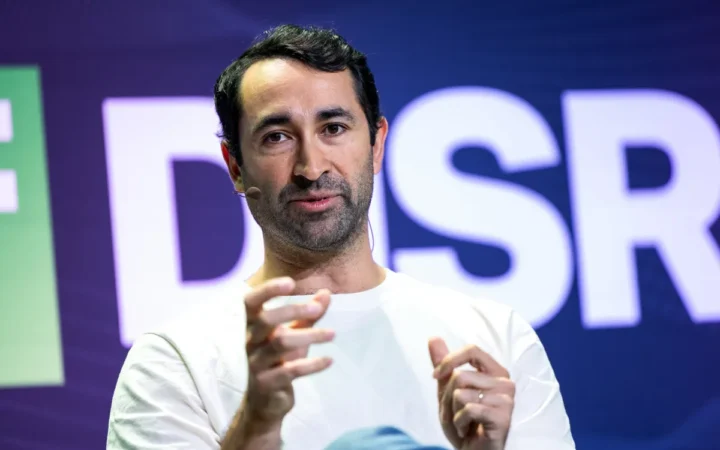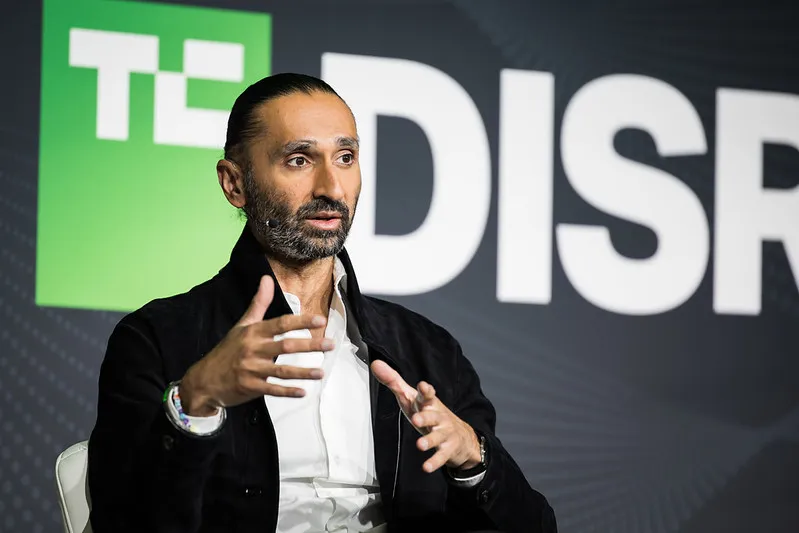
The loudest voices in finance right now are warning that AI infrastructure debt will blow up. They are wrong. Blackstone’s Jas Khaira said publicly that these fears are overblown, and that one statement tells you more about where smart money is actually flowing than six months of Wall Street commentary. The people panicking about debt are the same people who called data centers a niche bet in 2015.
What Is Actually Happening
For the past two years, every major cloud provider and hyperscaler has been pouring capital into AI infrastructure at a scale that makes the dot-com buildout look modest. Microsoft, Google, Meta, and Amazon have each committed to hundreds of billions in capital expenditure through the end of this decade. According to Goldman Sachs, total global AI infrastructure spending is expected to exceed $1 trillion by 2030. That number sounds enormous. It is. But size alone does not make something a bubble.
The fear goes like this: companies are taking on debt to build data centers and buy GPUs, the returns have not materialized fast enough, and at some point the creditors get nervous and pull back. That narrative has dominated financial media since early 2025. It is the kind of story that gets clicks because it sounds smart and cautious.
Jas Khaira, who operates inside one of the largest alternative asset managers on the planet, is pushing back on that story. Blackstone manages over $1 trillion in assets. These are not people who survive by being sloppy about risk. When someone at that level says the fear is overblown, I pay attention.
Why the Bears Are Reading the Balance Sheet Wrong
Here is the part most people miss. The debt that funds AI infrastructure is not consumer debt or speculative startup burn. It is asset-backed capital tied to physical infrastructure with long-term contracted revenue. A hyperscale data center with a 15-year lease from a Fortune 100 tenant is not the same financial instrument as a startup burning cash on a product nobody uses yet.
According to JLL, data center vacancy rates in primary markets dropped below 2% in 2025. Supply cannot keep up with demand. When occupancy runs that tight, the debt servicing math looks very different than what the bears are modeling. You do not default on a fully leased facility with a creditworthy tenant and a decade left on the contract.
The “debt is dangerous” crowd is also ignoring the return timeline. Industrial infrastructure of this scale takes years to generate peak returns. Railroads, highways, fiber networks. All of them looked like debt-heavy disasters before the returns compounded. According to McKinsey, AI-related productivity gains for enterprise users are projected to add between $2.6 trillion and $4.4 trillion in annual value globally. That is the return pool that justifies the infrastructure investment. You do not build for this quarter. You build for the decade.
Rich people understand this. Poor people see “big number debt” and assume catastrophe. The Robert Kiyosaki frame is simple: debt tied to an income-producing asset is different from debt tied to consumption. A data center is a cash-flowing machine once it is leased. The debt that funded it is working capital, not a liability in the traditional sense.
This is the same mistake people made about Amazon Web Services in 2008. The capex looked reckless. The returns came. Now AWS generates more operating income than the entire retail business. I would not bet against the same pattern playing out here.
If you are building content or products in the AI space and want to understand how to position yourself around these infrastructure shifts, tools like InVideo AI are worth understanding. Businesses that produce high-volume video content can dramatically reduce production costs as AI infrastructure matures and inference costs drop. That is the downstream benefit of the buildout everyone is calling a bubble.
What I Would Do Right Now
If Blackstone is publicly pushing back on the AI debt narrative, that is not a casual remark. Firms of that size do not make those statements without a thesis behind it. Here is how I read the situation.
First, stop treating AI infrastructure news like tech stock news. This is infrastructure. It behaves more like utilities and industrial REITs than it behaves like software. The capital structure and return profile are completely different. Most retail investors are applying the wrong mental model entirely.
Second, watch where Blackstone and similar firms are actually putting money. According to Bloomberg, Blackstone’s real estate arm has been one of the most aggressive buyers of data center assets globally over the past 18 months. Talk is one thing. The actual deal flow is the signal.
Third, if you run a business, this buildout matters to your cost structure. Inference costs drop as infrastructure scales. The work that cost a company $50,000 a year in AI API calls in 2024 will cost a fraction of that by 2027. That is margin improvement without doing anything. Understanding which software tools are positioning themselves to benefit from that cost curve is worth your time. Platforms like AppSumo surface software at early pricing that locks in low rates before infrastructure-driven cost drops make AI features standard everywhere.
Fourth, the fear narrative is probably close to its peak. Once the loudest voices have said their piece and the institutional capital keeps flowing anyway, the sentiment shift comes faster than most people expect. That is usually when the opportunity window closes.
The Bottom Line
Blackstone did not build a trillion-dollar asset management business by being scared of big numbers. Jas Khaira’s position is not optimism. It is a studied read on contracted revenue, asset quality, and return timelines. The people calling this a debt crisis are looking at the wrong column on the spreadsheet. The buildout is not the risk. Missing the buildout is.
Frequently Asked Questions
What did Jas Khaira say about AI infrastructure debt?
Khaira, a senior figure at Blackstone, argued that market fears around the debt being taken on to fund AI infrastructure are overblown. His position is that the asset quality and contracted revenue backing this debt make the risk profile far more manageable than critics suggest.
Why is AI infrastructure spending so high right now?
Demand for compute power has grown faster than supply. Training large AI models and running inference at scale requires enormous amounts of GPU capacity and cooling infrastructure. According to Goldman Sachs, global AI infrastructure investment is on track to surpass $1 trillion by 2030 as companies race to meet that demand.
Is AI infrastructure debt actually dangerous?
It depends on how the debt is structured. Debt backed by fully leased data centers with long-term contracts from creditworthy tenants carries very different risk than speculative consumer debt. The bears in this debate are often conflating the two. Vacancy rates in primary data center markets have been below 2%, which strengthens the debt servicing math considerably.
How does this affect regular investors or business owners?
For investors, it means the infrastructure layer of AI is likely a more stable bet than pure software plays. For business owners, the buildout means inference costs will keep dropping, which reduces the cost of AI features in your products and tools over the next few years. That is a direct margin improvement coming your way.
What is Blackstone’s actual position in AI infrastructure?
According to Bloomberg, Blackstone’s real estate division has been one of the most active acquirers of data center assets globally. That deal flow backs up Khaira’s public statements. They are not just talking bullish on AI infrastructure. They are buying it.