Apple Sues OpenAI Over Stolen Secrets Worth Billions
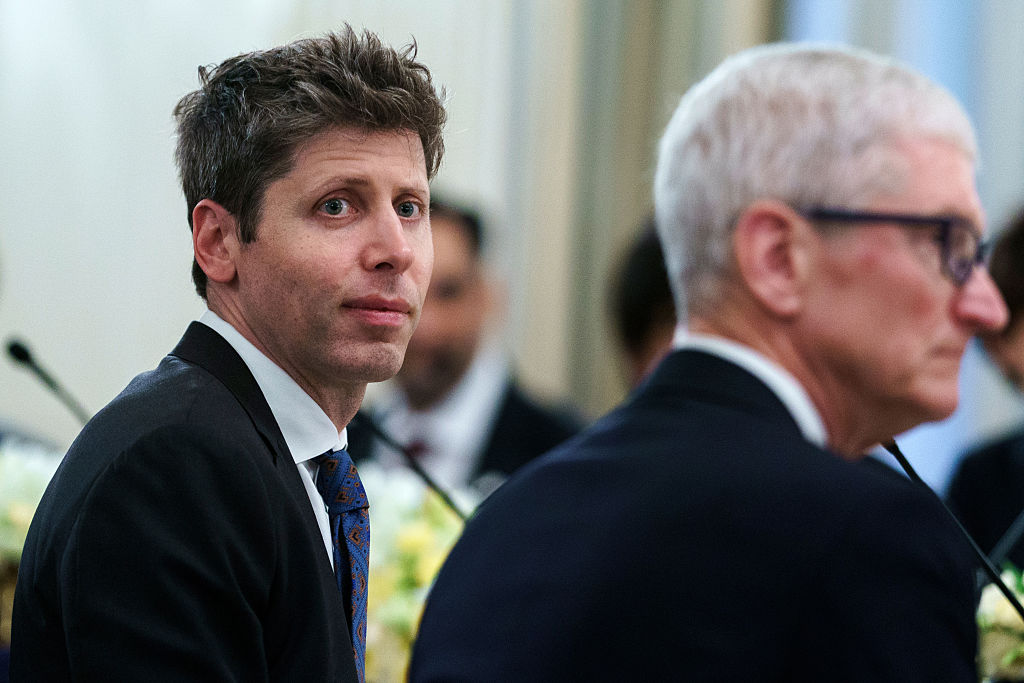
Apple Sues OpenAI Over Stolen Secrets Worth Billions
The biggest legal fight in AI just landed. Apple filed a federal lawsuit against OpenAI in 2026 claiming the company built its empire on stolen research worth hundreds of millions of dollars. This is not a dispute over patents. Apple says OpenAI took what was not theirs and called it innovation.
What Happened
According to court filings reported by Bloomberg, Apple alleges that at least 12 former engineers who moved to OpenAI between 2022 and 2024 carried confidential research documents out the door. The stolen material reportedly includes internal data on natural language processing architectures and on device AI models. Apple claims this research directly influenced OpenAI products that now compete with Siri and Apple Intelligence.
OpenAI’s valuation reached $300 billion in early 2026, according to Reuters. Apple is not asking for a slice of that. Apple wants damages, an injunction, and a public acknowledgment that the technology was not built from scratch. The suit was filed in the Northern District of California. It names OpenAI Inc., OpenAI LP, and several individual former employees.
This case follows a pattern the tech industry has seen before. According to the U.S. Trade Secret Protection Report, trade secret theft cases in the technology sector increased 78% between 2020 and 2025. Most settle quietly. Apple is choosing not to.
Why This Is Bigger Than a Lawsuit
I’ve watched a lot of legal fights in tech. Most are about money. This one is about who gets to own the future of AI.
Apple reportedly spent over $2 billion building its on device AI strategy, according to internal financial disclosures cited in the lawsuit. The goal was to run AI models directly on iPhones and Macs without sending data to the cloud. That’s what makes Apple Intelligence different from ChatGPT. If OpenAI got that research early, they had a roadmap Apple paid for.
Here’s the framing most people will miss. Most see this as two giant companies fighting. That’s the employee mindset. The owner mindset sees this as a signal about who controls AI infrastructure over the next decade.
If Apple wins, every AI lab faces tighter scrutiny when they hire from big tech. NDAs get sharper. Background checks on files accessed before departure become standard. That raises the cost of building. Smaller labs feel this more than OpenAI does.
If OpenAI wins or settles quietly, the message to the industry is that talent mobility matters more than IP protection. Builders move fast and companies pay the lawyers later.
Either outcome shapes where AI capital flows in the next 24 months. According to Pitchbook, AI startups raised $67 billion in venture funding in 2025 alone. Investors are already asking which of their portfolio companies hired former Big Tech employees who signed broad IP agreements.
For content creators and indie builders who use AI tools daily, this case is a reminder to know what’s in the products you depend on. If you make videos with tools like InVideo AI, you’re building on top of models and infrastructure that could face legal challenges. That’s not a reason to stop. It’s a reason to stay informed and diversify which tools you rely on.
What This Means for You
I’d be watching this case closely if I were running any kind of digital business right now.
First, if you use OpenAI’s API in your product, you need to understand your exposure. Legal uncertainty around a core AI provider is a business risk. Not because OpenAI is going away, but because prolonged litigation can slow product updates, create licensing complications, and distract leadership from shipping.
Second, this is the year to build on more than one foundation. Don’t run your whole operation on one AI provider. If you’re looking for affordable tools that give you optionality without betting everything on one platform, AppSumo regularly lists lifetime deals on vetted software that can fill workflow gaps at a fraction of the monthly subscription cost.
Third, if you’re a developer or founder who has worked at a large tech company, now is the time to review what you signed. Most tech employment agreements include IP assignment clauses that cover anything you work on while employed, sometimes even on personal time if it relates to your employer’s business. Talk to a lawyer before your next move.
Here’s what I would do if I were building an AI product right now. I’d document every model, dataset, and research paper I used. I’d keep clean records showing my work is original or properly licensed. That documentation becomes your defense if a bigger company ever comes after you.
The Bottom Line
Apple does not sue for sport. When they file, they mean it. OpenAI built a $300 billion company in four years. The question this lawsuit forces is simple: was any of that built on someone else’s work without permission? The answer won’t just affect these two companies. It’ll set the rules for every AI lab that hires talent from Big Tech for the rest of this decade. Pay attention.
Frequently Asked Questions
What is the Apple vs OpenAI lawsuit about?
Apple alleges that former employees who joined OpenAI took confidential research and internal documents when they left the company. The lawsuit claims this material influenced OpenAI products that now compete directly with Apple’s AI features. Apple is seeking financial damages and an injunction on the disputed technologies.
How much is the Apple vs OpenAI trade secret case worth?
Apple has not disclosed a specific damage figure in initial filings, but analysts at Bloomberg Intelligence estimate the disputed research could be valued at over $500 million based on Apple’s known AI research spending. The case could also result in injunctive relief that forces changes to how OpenAI uses certain technologies.
Will this lawsuit affect OpenAI products or ChatGPT?
In the short term, ChatGPT and other OpenAI products will continue operating normally. If the court eventually grants an injunction on specific technologies, OpenAI may need to modify certain features. Most legal experts expect this case to take years before any forced product changes occur.
What should businesses using OpenAI tools do right now?
Don’t panic, but don’t ignore it either. Start building with at least two AI providers so you’re not fully dependent on one platform. Review the terms of service for any OpenAI-based tools you use so you understand your rights if the service changes or access is restricted.
Does this affect smaller AI companies and startups?
Yes, indirectly. If Apple wins, large tech companies will enforce stricter IP protections when employees depart. That makes it harder and more expensive for startups to recruit top AI talent from Big Tech. According to Pitchbook, over 40% of AI startup founders in 2025 came directly from major technology companies.
Get stories like this in your inbox. Daily.
Free. No spam. The AI, tech, and finance stories that move money.