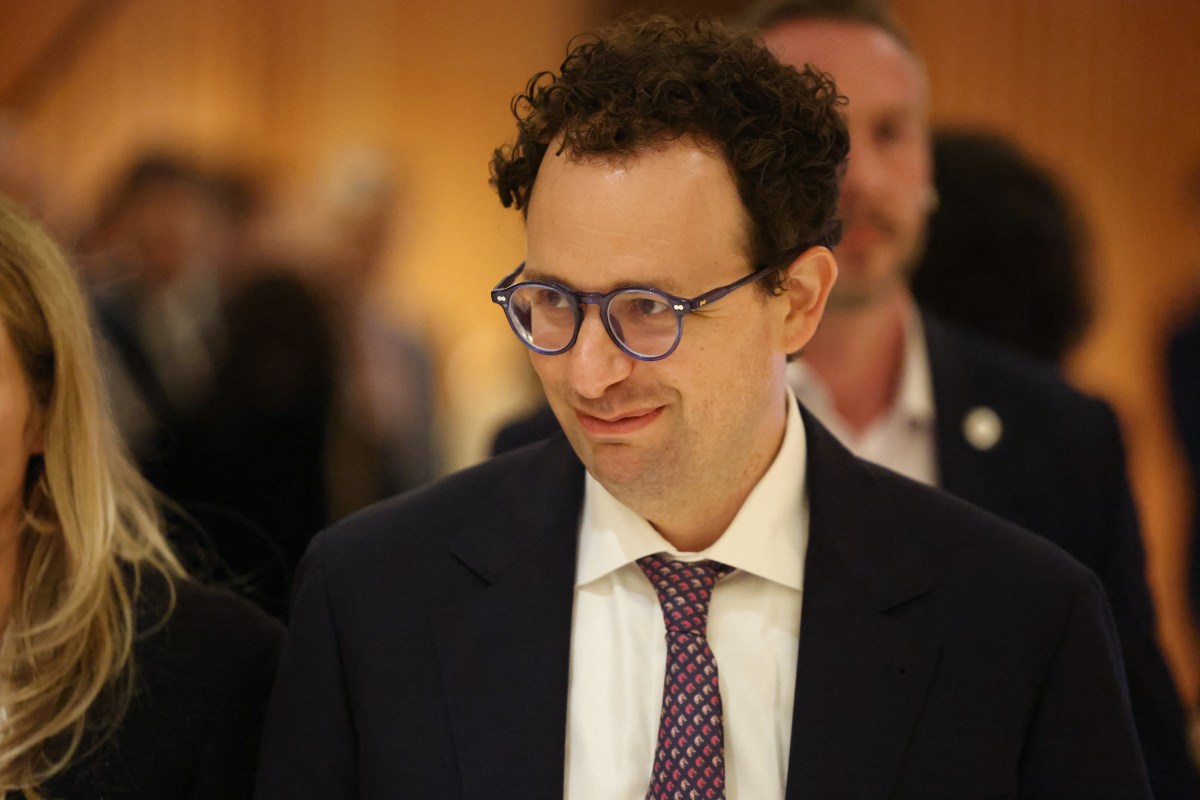
Dario Amodei is having dinner with President Trump. Anthropic has raised more than $12 billion from Amazon and Google, according to Crunchbase. This is not a social call. The people who show up to this dinner will write the AI regulations everyone else has to live by. That includes you.
Why This Dinner Is Happening Now
Anthropic is not a scrappy safety lab anymore. The company is one of three serious contenders for the most valuable AI contracts in the world, alongside OpenAI and Google DeepMind. Federal AI spending is projected to exceed $3.5 billion by fiscal year 2027, according to IDC Government Insights. The Department of Defense alone plans to spend $1.8 billion on AI programs by that same year, according to the Congressional Budget Office.
OpenAI’s Sam Altman had his Trump dinner first. He walked out of it jointly announcing the Stargate project, a $500 billion private AI infrastructure push backed by SoftBank, Oracle, and OpenAI. That relationship handed OpenAI political cover and a direct pipeline to federal contracts. Anthropic watched that play out. Now Amodei is at the table.
The Trump administration revoked the Biden era AI executive order on its first day in office, according to The Wall Street Journal. The new direction is simple: build fast, sort out the rules later. For any AI company, getting the president’s attention right now means shaping what “sort out the rules later” actually becomes.
The Real Move Most People Are Missing
Here is my contrarian read. Most people will frame this dinner as Amodei getting political or abandoning the principles that made Anthropic different from OpenAI. That framing is wrong.
This is a business decision, not an ideological one. The AI industry generated roughly $200 billion in enterprise software revenue in 2025, according to Goldman Sachs Research. That number is expected to grow past $400 billion by 2027 from the same analysis. The companies that shape regulations governing AI use in healthcare, finance, and government will capture a disproportionate share of that growth.
Poor mindset says this is selling out. Rich mindset says this is how every major regulated industry works. Banks, pharmaceutical companies, and defense contractors all maintain deep relationships with the administrations that write the rules for their industries. AI is no different. The founders who pretend otherwise are either naive or they are already losing market share to the ones who are not.
Anthropic’s Claude models are already embedded in Fortune 500 financial services companies, law firms, and healthcare systems. Every one of those sectors faces AI regulation in the next two years. Amodei needs to be in conversations shaping those rules or Claude gets written out of the industries where it would generate the most revenue.
The money at stake is not small. If you are managing personal debt or planning to invest in AI infrastructure plays, this is a smart time to shop your options carefully. A tool like SuperMoney loan comparison can help you find competitive rates across lenders if you are refinancing or need liquidity to position yourself ahead of a sector shift this large.
What This Means for You
I would be watching three things coming out of this dinner.
First, track which AI companies land federal contracts over the next 12 months. The dinner circuit predicts the contract pipeline. Anthropic, OpenAI, and Google DeepMind are the three names to follow. Whichever one earns the most favorable regulatory treatment will win the enterprise market that follows.
Second, pay attention to data rules. The regulations coming out of these conversations will govern how AI companies collect, store, and share your financial and personal information. That matters for your credit profile, your insurance rates, and your digital identity. As AI companies gain deeper access to financial data under lighter federal oversight, monitoring your credit becomes more important. IdentityIQ credit monitoring gives you early alerts on changes to your credit report so you catch problems before they compound.
Third, think about what this dinner means for workers in industries AI is reshaping. The people at this dinner represent capital. They are not representing anyone in legal, finance, or healthcare who will be displaced by the tools these companies build. The regulations that get written will reflect the interests of the people in the room. That is not a complaint. That is just how it works. If you are in one of those industries, map your options now, not two years from now when the shifts are already done.
The Bottom Line
Dario Amodei is not having dinner with Trump because he changed his values. He is having dinner because Anthropic is a business in the middle of a policy war, and that war will determine who wins the next decade of AI. The AI safety brand was always going to meet political reality eventually. It is meeting it now. Companies that play the technology game and the political game at the same time will win. The ones that stay home and stay pure will lose their lunch to the ones who showed up and signed the contracts.
Frequently Asked Questions
Why is Anthropic’s CEO having dinner with President Trump?
Anthropic is competing for federal AI contracts and wants to shape regulations being written for AI use in healthcare, finance, and government. The dinner is a political access move, not a social one. Every major regulated industry operates this way, and AI is no exception.
What does this dinner mean for AI regulation in 2026?
It signals that Anthropic is positioning itself to influence how AI policy gets written under the current administration. The company that helps shape the rules gains a structural advantage over competitors who stay out of the political process. Expect more favorable terms for companies that show up.
Is Anthropic competing for government contracts?
Anthropic has been expanding into enterprise and government sectors. Federal AI spending is projected to exceed $3.5 billion by fiscal year 2027, according to IDC Government Insights. Anthropic is competing directly with OpenAI and Google DeepMind for that revenue stream.
Should regular investors pay attention to this dinner?
Yes. Government contracts and favorable regulation are worth billions in long term revenue for AI companies. The firms that earn political access will shape the competitive rules for the entire industry. That affects every AI adjacent investment and the sectors those companies serve.
What should I actually do with this information?
Watch which AI companies win federal contracts over the next 12 months. That is the real score. And if you work in an industry AI is actively entering, start mapping your options now rather than waiting for the shift to be announced on a earnings call.