Amazon Mechanical Turk Closes to New Customers
Here is the full article: — “`html
Amazon Mechanical Turk Closes to New Customers
Amazon just closed Mechanical Turk to new customers. This is not a housekeeping move. The platform that paid humans $2 per hour to train AI is dying because the AI no longer needs them. Hundreds of thousands of gig workers are about to lose one of their income sources.
What Just Happened
Amazon Mechanical Turk, the platform that paid humans pennies to label photos, transcribe audio, and sort data, is no longer accepting new requesters. Existing businesses can still post tasks. But no new company can sign up to use the service, according to Amazon’s developer notices and the MTurk community forums.
MTurk launched in 2005 as a “human intelligence task” marketplace. The idea was simple. Some things computers could not do well, so you pay humans to do them cheaply. For 20 years, it worked. AI companies, academic researchers, and enterprises used it to build the training data behind the AI products you use every day.
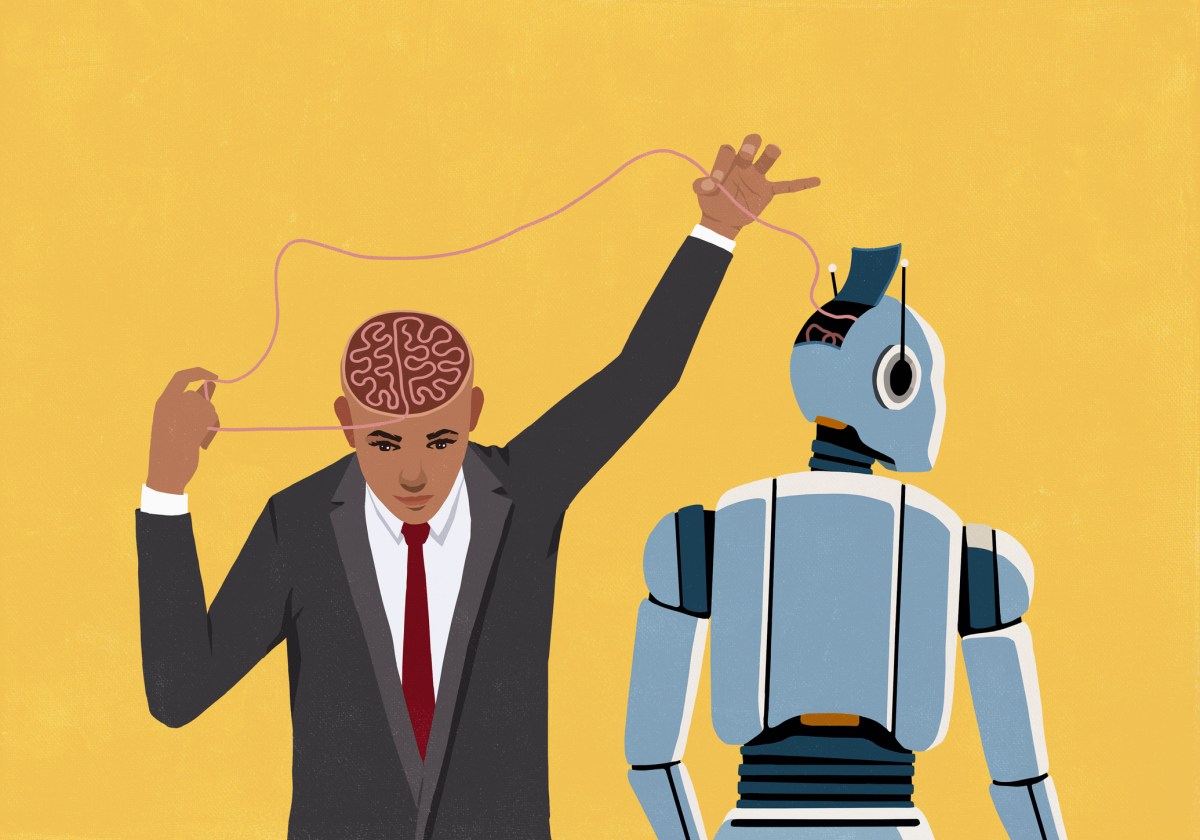
Now those same AI products have made the original workforce obsolete. The student ate the teacher.
The Real Story Behind This Shutdown
Here is what most coverage gets wrong. This is not an Amazon platform story. It is a wealth transfer story.
MTurk workers, known as Turkers, earned a median of $2 per hour according to a 2019 study published in Nature Human Behaviour. Not $2 per task. $2 per hour. Amazon collected a 20% commission on every task posted. The workers built the data sets. The AI companies captured the value. The workers got crumbs.
According to Pew Research Center, gig workers are far more likely than traditional employees to report their platform income as a primary earnings source. When a platform shuts down, they do not have a backup income stream. They have a cash flow problem.
The companies that used MTurk to build their AI models are now worth hundreds of billions. Scale AI, which built a competing data labeling business using similar human workforce pipelines, reached a valuation of $13.8 billion in 2024 according to Bloomberg. The workers who made modern AI possible are not seeing any of that upside. Not a share. Not a token. Nothing.
This is the oldest pattern in the economy. You sell your time to build something valuable. Someone else owns the asset. Then automation replaces you, and you do not own any of the automation that took your job.
Poor mindset: find the next MTurk and keep trading hours for nickels.
Rich mindset: recognize that your labor built someone else’s asset and stop repeating that transaction.
If your gig income just took a hit and you need to consolidate debt or bridge a gap, compare your loan options through SuperMoney loan comparison before accepting whatever rate your current bank offers. Most people leave real money on the table by not shopping around.
What This Means for You
If you were a Turker or depended on similar gig income, here is what I would do.
First, do not chase the next MTurk. Platforms like Appen and Clickworker face the same pressure. AI keeps getting better at exactly the tasks these platforms pay humans to do. The hourly rate on commodity microtask work will only drop from here.
Second, understand where human judgment still commands real pay. Prompt engineering, AI output review for specialized fields like medicine or legal analysis, and training data generation for narrow professional domains still pay actual wages. The generic work is gone. The specialized work is not, at least not yet.
Third, think about your financial position. According to the Bureau of Labor Statistics, the median American worker changes jobs about 12 times before age 52. Each transition is either a step up or a step sideways. This one can go either way depending on the move you make next.
And if your income dropped and you have not checked your credit recently, now is the time. IdentityIQ credit monitoring keeps you informed of your credit score and flags any changes while you work through this kind of income shift. A clean credit picture is one of the cheapest financial tools you can hold.
The Bottom Line
Amazon Mechanical Turk closing to new customers is not a tech headline. It is a warning shot. The era of paying humans pennies to train AI is over. The AI is built. It does not need you anymore. The only real question is whether you are going to keep selling your time to the next version of this machine or start building something that pays you back.
Frequently Asked Questions
What is Amazon Mechanical Turk?
Amazon Mechanical Turk is a crowdsourcing marketplace where businesses pay people to complete small tasks that computers struggle with, including image labeling, data sorting, and transcription. It launched in 2005 and became a major pipeline for AI training data used by some of the largest companies in the world.
Why is Amazon Mechanical Turk no longer accepting new customers?
Amazon has not released a detailed public explanation. The pattern, though, is clear. AI tools have become good enough at many of the tasks MTurk was built for, which shrinks demand from new requesters. Closing off new signups signals that Amazon sees the platform as a mature or declining product rather than a growth one.
How much did Mechanical Turk workers actually earn?
According to a 2019 study in Nature Human Behaviour, the median hourly earnings for Mechanical Turk workers was approximately $2 per hour. That is well below the federal minimum wage of $7.25 per hour. Many workers did not realize how low their effective hourly rate was because tasks were priced individually rather than by the hour.
What should gig workers who used Mechanical Turk do now?
The best move is away from commodity microtask work and toward human skills that AI still handles poorly. Specialized AI evaluation, prompt development, and professional domain review work all pay significantly more. Building a financial cushion and knowing your credit position is smart while you make any income transition.
Will other gig platforms face the same pressure as Mechanical Turk?
Yes, for platforms built around repetitive low-skill tasks. According to McKinsey Global Institute, up to 30% of tasks across many occupations could be automated within the next decade. Platforms that depend on cheap human labor for tasks AI can now do cheaper are in a structurally weak spot.
“`
Get stories like this in your inbox. Daily.
Free. No spam. The AI, tech, and finance stories that move money.