Amazon Is Using AI Images in Search and It Should Scare You
“`html
Amazon Is Using AI Images in Search and It Should Scare You
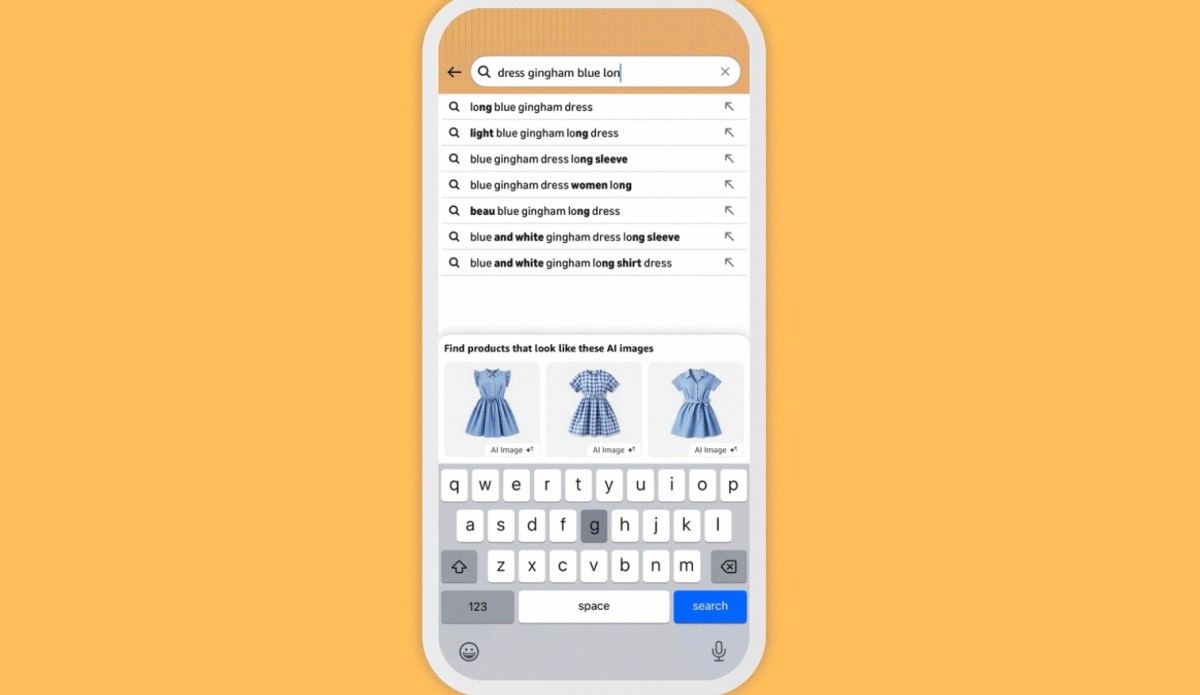
Amazon just started showing AI generated product photos inside search results. This isn’t a small test. This affects a platform that handles over 4.8 billion product searches every month, according to Statista. What you see when you shop may not be real. That’s the deal now.
What Amazon Actually Did
In early 2026, Amazon confirmed it’s using generative AI to create and display product images directly in search results. Sellers with low quality photos or missing lifestyle shots now get AI filled placeholders. Amazon frames this as helping small sellers compete. I frame it differently. When a trillion-dollar company starts deciding what your product looks like to buyers, that’s control, not help.
This isn’t happening in a vacuum. According to eMarketer, Amazon controls 37.8% of all U.S. e-commerce sales. That’s more than the next 15 competitors combined. When Amazon changes how products look in search, it changes what over 200 million Prime members see every day. That’s not a small tweak. That’s rewriting the rules of online shopping for a quarter of a billion people.
Meanwhile, according to Adobe Analytics, online shoppers spent $331 billion in just the first six months of 2025. A huge portion of that spend was driven by what people saw in product images. Change the images, and you change the buying decisions behind hundreds of billions of dollars in transactions.
Why This Is a Bigger Problem Than You Think
Here’s my contrarian take: this isn’t about AI at all. This is about who controls reality inside the most powerful shopping engine in the world.
Think about what this does to sellers. A small brand spends real money building a product identity. They hire photographers. They craft a specific look and feel. Then Amazon generates a different image and shows it to shoppers before the seller’s own photo even loads. The seller’s brand gets replaced by an algorithm’s guess at what the product should look like. That’s not helpful. That’s hostile.
This matters far beyond retail. In crypto and digital asset markets, product authenticity is everything. NFT marketplaces like OpenSea and Magic Eden wrestled with fake and misrepresented item images for years. According to Chainalysis, NFT fraud and misrepresentation contributed to over $1.4 billion in losses in 2023. Amazon’s AI image shift creates a parallel problem in traditional commerce: the thing you see is generated, not photographed. Buyers in both worlds make financial decisions based on synthetic visuals they didn’t ask for and can’t easily verify.
Rich people and sophisticated investors already know this. They don’t make decisions based on pretty pictures. They verify. They research. They look past the surface. But the average Amazon shopper? They see a clean image, they click buy. According to Nielsen Norman Group, 56% of e-commerce product page visits last under 15 seconds. Nobody’s doing deep research. People are reacting to what they see in the first few seconds.
If you’re running a business that sells physical products, this changes your math. Your Amazon storefront budget needs to include image quality verification. Your brand needs to be distinctive enough that an AI can’t easily replace your visual identity without the substitution being obvious. And your back office systems need to be tight enough to handle rapid platform changes. Tools like Wallester for managing business card spending can help small operators track the exact costs tied to platform compliance, photography, and ad spend without losing sight of where money actually goes.
What This Means For You
If you’re a buyer, start checking actual product listings more carefully before you purchase. Click through the search result to the full product page. Scroll through every image. Read reviews that mention specific photos or describe what arrived. Don’t trust the first image you see in search. That image might be a guess made by a machine.
If you’re a seller, you’ve got three moves. First, produce images so high quality that Amazon’s AI has no reason to override them. Second, use Amazon’s own Brand Registry tools to claim more control over how your product appears in results. Third, diversify away from Amazon so that one platform’s algorithm doesn’t make or break your revenue quarter to quarter.
Here’s what I would do if I ran a product business right now. I’d treat Amazon as one channel, not my whole business. I’d build a direct to consumer audience through email and owned media. I’d document every product image I upload with metadata and timestamps so I have a clear record if Amazon’s AI starts displaying something different. And I’d keep my operating overhead lean with payroll tools like Gusto so that when platforms like Amazon change the rules overnight, I’m not scrambling to cut costs at the same time I’m trying to fight back.
The bigger picture: Amazon is training buyers to accept AI generated representations of products as completely normal. Once that’s normalized, the standard for what “real” looks like in online shopping gets permanently lowered. That’s a serious problem for every business that competes on quality, authenticity, and visual branding. Your photos are your first handshake with a customer. Amazon just decided it can replace that handshake with a simulation.
The Bottom Line
Amazon controls too much of retail to be making unilateral decisions about what your product looks like to buyers. AI images in search results sound like a feature. They’re actually a consolidation of power. The moment a platform decides what your product looks like, you don’t have a brand. You have a tenant arrangement. And Amazon is the landlord who can redecorate whenever it wants, without asking, without notice, and without consequence.
Frequently Asked Questions
What are Amazon AI product images in search results?
Amazon is using generative AI to create product photos that appear in search results, sometimes replacing or supplementing the images sellers originally upload. This is part of Amazon’s broader effort to improve visual quality across its marketplace listings. Buyers may see an AI generated image before they ever encounter the seller’s actual product photo.
Does this affect what I decide to buy on Amazon?
Yes, and more than most shoppers realize. If you make buying decisions based on product images in search results, you could be reacting to a generated photo rather than a real one. According to Nielsen Norman Group, most shoppers spend under 15 seconds on a product page before deciding, which makes the first image extremely influential.
How does this connect to crypto and digital asset markets?
Both markets face the same core problem: visual representations of value can be fabricated or swapped without the buyer’s knowledge. In crypto, misrepresented NFT images contributed to over $1.4 billion in losses in 2023, according to Chainalysis. Amazon’s AI images introduce a similar authenticity problem into everyday retail commerce, where most consumers have no idea it’s happening.
Can sellers stop Amazon from using AI images of their products?
Sellers enrolled in Amazon Brand Registry have significantly more control over their product listings and can push back against unauthorized display changes. Outside of that program, Amazon retains broad authority over how products appear in search. Uploading high resolution, professional lifestyle images reduces the likelihood that Amazon’s AI will feel the need to override them.
Will other shopping platforms do the same thing?
Almost certainly yes. Google Shopping, Walmart Marketplace, and other major retail search platforms are all investing in AI generated content at scale. Amazon’s move normalizes the practice across the entire industry. Expect it to spread to every major shopping platform within 12 to 18 months, whether sellers agree to it or not.
“`
Get stories like this in your inbox. Daily.
Free. No spam. The AI, tech, and finance stories that move money.