Amazon AI Search Images Hide a $56 Billion Bet
“`html
Amazon AI Search Images Hide a $56 Billion Bet
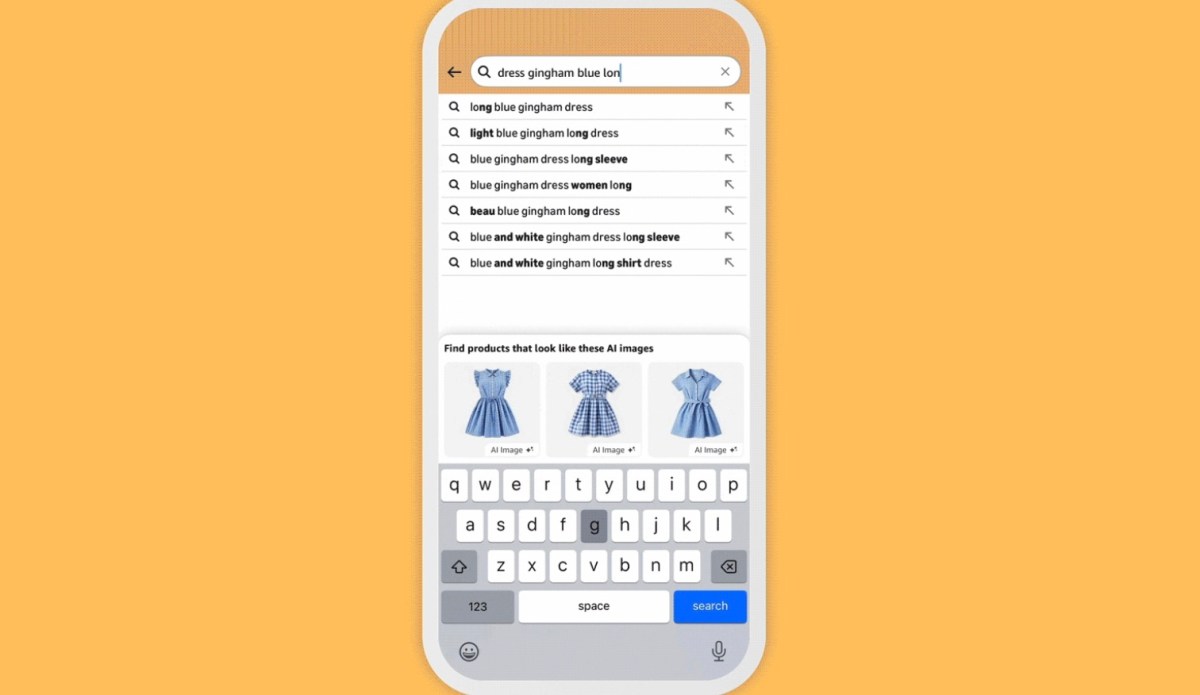
Amazon is now showing AI generated product photos inside its search results. This isn’t a cosmetic change. Amazon’s advertising business pulled in $56.2 billion in 2024, according to eMarketer, and those ads run on the same pages as images that were never taken by a camera. Sellers are paying real money for impressions built on manufactured pictures.
What Amazon Is Actually Doing
Amazon confirmed it’s using artificial intelligence to generate and enhance product images shown to shoppers during search. The company says the images place products in lifestyle settings, putting a blender on a kitchen counter or showing a jacket on a model, without requiring sellers to produce those photos themselves.
On the surface that sounds helpful. But the numbers tell a different story. Amazon controls 37.6% of all U.S. ecommerce sales, according to eMarketer. Over 300 million products compete for attention on the platform, according to Marketplace Pulse. And conversion rates live or die by product photography. According to a Shopify study, 75% of online shoppers say product photos are the most important factor in their purchase decision. Amazon just decided it can manufacture those photos with code.
This rollout is happening right as Amazon pushes harder into advertising. Sponsored product ads, display ads, and brand placements now account for a growing share of Amazon’s total revenue. The ad segment grew 18% year over year in Q4 2024, according to Amazon’s earnings reports. Selling space on those search pages is a major financial engine. And now the images filling that space may not be real.
The Part Nobody Is Talking About
Most coverage of this feature focuses on convenience. I think that framing misses the point entirely.
Let’s talk about what’s actually at stake financially. Small businesses and independent brands spend serious money on Amazon advertising. The average small seller on Amazon spends between $1,000 and $10,000 per month on sponsored ads, according to Jungle Scout’s 2024 State of the Amazon Seller report. That money goes toward getting their real products in front of real shoppers. Now Amazon is inserting AI generated images into that same experience without always making it clear to buyers what they’re looking at.
If a shopper clicks on an AI generated lifestyle image and receives a product that looks nothing like the staged photo, that’s a return. That’s a negative review. That’s money out of the seller’s pocket, not Amazon’s.
Here’s the rich versus poor mindset problem with this. Big brands with dedicated creative teams will adapt quickly. They’ll find ways to control how their products appear. They’ll test AI generated images against real ones and optimize from there. Small sellers, the ones with thin margins and no creative department, will be left reacting. They’ll spend the same ad dollars but with less control over how their product is displayed.
Amazon’s advertising revenue is now larger than YouTube’s total ad revenue, according to Alphabet’s financial disclosures and Amazon’s Q4 2024 earnings. That’s a massive business built on one thing: the idea that what you see when you search is what you get when the box arrives. AI generated imagery chips away at that trust at scale.
If you run a product brand and you’re tracking your advertising spend carefully, now is the time to audit every dollar going to Amazon. Tools like Wallester let you separate and categorize business card expenses by channel, which matters when you’re trying to isolate exactly how much your Amazon campaigns are actually costing you versus what you’re converting.
What I Would Do Right Now
If you’re a seller on Amazon, here’s my honest take. Don’t wait for Amazon to show shoppers a version of your product you didn’t approve. Take control of your images before the algorithm does it for you.
First, upload the best possible product images you have. Amazon’s AI tends to work with seller images as a base. The better your source material, the less likely the platform generates something off brand.
Second, opt into Amazon’s A Plus Content program if you haven’t already. Sellers with A Plus Content have more control over how their product pages look. That’s a direct counter to algorithmic image generation taking over your listing.
Third, watch your return rates by product closely over the next 90 days. If AI generated images create a mismatch between shopper expectations and actual products, returns will spike. That’s your early warning signal.
Fourth, get your operational costs under control before this gets worse. If you’re running a small business with employees handling photography, fulfillment, or creative work, and you’re watching AI erode those functions one by one, your payroll needs to stay organized. Gusto helps small business owners manage payroll simply and accurately, so at least that side of the house stays clean while everything else shifts.
The sellers who come out ahead aren’t the ones who fight Amazon’s algorithm. They’re the ones who adapt faster than their competitors and protect their margins while doing it.
The Bottom Line
Amazon just handed itself permission to show shoppers a version of your product it invented. That should make you angry. The company made $56.2 billion in advertising in 2024 and it’s still looking for ways to extract more value from every pixel on that search page. Stop treating Amazon as a neutral marketplace. It’s a competitor with a search engine, and now it has an image generator too. Plan accordingly.
Frequently Asked Questions
What are Amazon AI product images in search results?
Amazon is using artificial intelligence to generate or enhance product photos shown to shoppers during search. The images place products in lifestyle settings to make listings more visually appealing. Sellers don’t always control whether these AI generated images appear on their listings.
Does this affect Amazon sellers financially?
Yes, and the impact is direct. If AI generated product images don’t match what a shopper actually receives, return rates go up. Higher returns hurt seller metrics, increase costs, and can damage ad placement rankings over time.
Can Amazon sellers opt out of AI product images?
Amazon hasn’t offered a clear public opt out process as of mid 2026. Sellers are advised to upload complete, high quality image sets so the algorithm has strong source material to work with. Using A Plus Content on product pages also gives sellers more visual control over their listings.
Why is Amazon showing AI product images now?
Amazon’s advertising segment is one of its fastest growing revenue sources, up 18% year over year in Q4 2024, according to Amazon’s earnings reports. AI generated images reduce the friction of getting products listed with polished visuals, which keeps shoppers on the platform longer and keeps ad impressions flowing.
How big is Amazon’s advertising business?
Amazon’s ad business generated $56.2 billion in 2024, according to eMarketer, surpassing YouTube’s total advertising revenue. The search page where AI product images appear is the same real estate where sponsored product ads run. Amazon has a direct financial interest in making that page as visually persuasive as possible, regardless of whether the images are real.
“`
Get stories like this in your inbox. Daily.
Free. No spam. The AI, tech, and finance stories that move money.