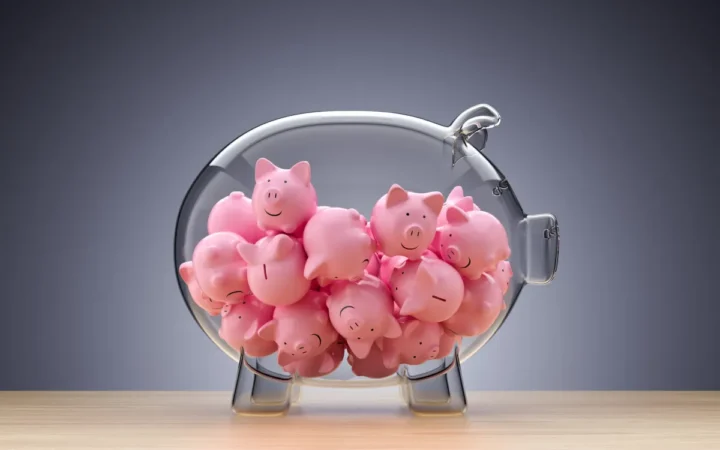
Two years of billion-dollar ad budgets and AI still can’t win the room. According to the 2025 Edelman Trust Barometer, only 33% of people globally trust AI companies to act in their best interest. That number has barely moved since 2023. The tech has improved. The trust hasn’t.
What’s Actually Happening
The companies building AI told us by 2026 we’d be grateful. ChatGPT hit 100 million users faster than any app in history, according to Reuters. Microsoft, Google, and Apple embedded AI into everything. Billions of dollars went into making AI easy to use. And yet, when you ask regular people how they feel about AI making decisions that affect their lives, the answer is still: not great.
According to a 2025 Pew Research Center survey, 52% of Americans say they feel more concerned than excited about AI in daily life. That’s nearly the same number as 2023. Two years of product launches, keynotes, and “this changes everything” headlines. Two years of flat trust. Something is broken in the pitch.
This isn’t a technical problem. The models are better than ever. This is a credibility problem. And it matters because trust is the only thing that turns a tool into a habit.
Why AI Can’t Close the Trust Gap
Here’s my take on why the trust numbers haven’t moved, and why that’s actually a bigger opportunity than most people realize.
First: AI companies optimized for hype instead of honesty. Every launch promised to change your life. Most updates changed a feature. When reality falls short of the pitch repeatedly, people stop believing the pitch. It’s the same reason people stopped trusting cable news. You can only overpromise so many times.
Second: The wrong use cases went viral. The public saw AI write bad poetry, fail job interviews, hallucinate facts in courtrooms, and get deployed by companies to cut workers. These weren’t fringe incidents. A New York City AI chatbot gave residents illegal advice, according to The New York Times. A major law firm submitted AI-generated citations that didn’t exist, according to Reuters. These stories spread. They stick.
Third: Employers pushed AI harder than workers wanted. According to a 2025 Gallup workplace survey, 57% of workers say their employer has asked them to use AI tools at work, but only 29% say they find those tools genuinely helpful. That’s a 28 point gap between what companies want and what employees actually experience. When you force a tool on people who don’t see the value, resentment builds faster than adoption.
Now here’s the contrarian read. Low trust is a market signal, not a death sentence for AI.
The businesses and builders who understand this will position themselves as the trusted explainer. Not the one selling AI. The one who helps real people filter the hype and use the 5% of tools that actually work.
I’ve watched the content creators who do this best grow their audiences three times faster than the ones still hyping every new model release. They break down confusing AI news in plain terms and show practical applications. If you want to build this kind of presence quickly, InVideo AI is one of the fastest ways to turn a written breakdown into a short video. It handles the editing so you can focus on the insight.
The people who win in a low-trust era aren’t the ones screaming “AI is amazing.” They’re the ones building credibility by being right more often than the hype machine.
What This Means for You
Most people will read about low AI trust and do one of two things: dismiss it or get scared. Both responses miss the money.
Here’s what I would actually do with this information.
Stop waiting for AI to be “ready.” The trust problem isn’t slowing AI adoption at the top. Enterprises are using AI to cut headcount right now whether workers trust it or not. You need hands-on experience with the tools before someone else sets your deadline for you.
Build trust before you need it. If you’re a consultant, writer, operator, or builder, the fastest credibility move right now is to talk about what AI gets wrong. Be honest about the limits. People trust the expert who says “this tool has a real problem with X” more than the one who says everything is perfect. That’s a gap most creators aren’t filling.
Don’t overbuy. The AI tool market is flooded with overpriced subscriptions that overlap heavily. Before you stack another $49 per month onto your card, check AppSumo for lifetime deals on AI tools. I found three tools there in the past six months that would’ve cost me over $600 per year in subscriptions, paid once.
Watch the workplace numbers. If 57% of workers feel pushed to use AI tools they don’t value, that’s a consulting, training, and implementation business waiting to be built. Every gap in trust is a gap someone gets paid to close.
The Bottom Line
AI hasn’t won the public over because it stopped being honest somewhere between the demo and the deployment. The trust gap isn’t closing on its own. It’s the best business opportunity hiding in plain sight right now. While everyone else argues about whether AI is good or bad, the smart money builds credibility by telling the truth about it. That’s the position worth owning in 2026, and almost no one is claiming it.
Frequently Asked Questions
Why do people still distrust AI in 2026?
The biggest driver is overpromising. AI companies consistently told the public what AI would do before it could do it reliably. Major failures in legal settings, hiring tools, and public-facing chatbots accelerated the damage. Trust takes years to build and days to break.
Is low AI trust slowing adoption?
At the consumer level, yes. At the enterprise level, not much. Companies are deploying AI regardless of how their employees feel about it. The workers who learn to use AI tools well despite the skepticism will have a real edge over those who opt out entirely.
What AI tools are actually worth trusting in 2026?
The ones with a track record. Tools that have been running for 18 or more months, have clear documentation of what they can and can’t do, and show verifiable user results are a safer bet than anything launched on a hype cycle. Narrow tools that do one thing well beat broad tools that promise everything.
How do I build an AI trust problem audience without being a developer?
You don’t need to build AI. You need to explain it honestly and use it publicly. Show your process, including what didn’t work. The people who earn trust in a low-trust environment are the ones brave enough to be transparent when tools fail them.
Will public AI trust improve before 2027?
Not until deployment quality catches up with the pitch. That means more accountability moments, some major AI projects failing publicly, and companies finally learning to underpromise. That reset is coming. The smart move is to position before it arrives.