AI Startup Stole Viral Meme Art and Thinks That's Fine
“`html
AI Startup Stole Viral Meme Art and Thinks That’s Fine
An AI startup used a famous artist’s work without permission to sell the idea of replacing human workers. The AI agent market is now worth over $100 billion, according to industry reports. And companies in that space are apparently willing to steal to grab a piece of it.
What Actually Happened
KC Green created the “This is Fine” comic in 2013. It shows a dog sitting calmly in a burning room, saying “This is fine.” It became one of the most shared memes on the internet. Green made it as part of his Gunshow webcomic, and he’s spent years building on that work, including adapting it into a game.
Then Artisan AI showed up.
According to TechCrunch, Artisan ran subway ads using Green’s dog. In the ad, the dog says “[M]y pipeline is on fire” and promotes “Hire Ava the AI BDR,” which is Artisan’s automated sales agent. Green found out through a Bluesky post on May 3, 2026. He said the use was “stolen like AI steals” and urged people to vandalize the ads. He’s now looking for legal representation, according to TechCrunch.
Artisan’s response? They said they have “a lot of respect” for Green, reached out, and scheduled a call. No admission of wrongdoing. No public apology. Just a phone call.
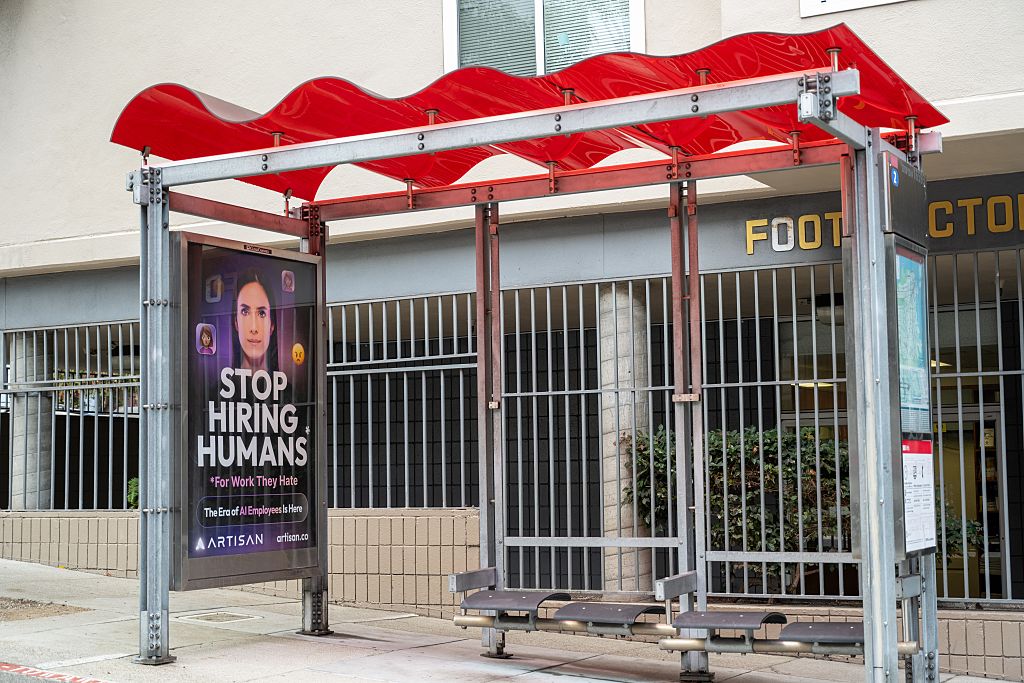
This is the same company that put up billboards telling businesses to “stop hiring humans,” according to TechCrunch. Their CEO, Jaspar Carmichael-Jack, defended those billboards by saying they targeted “a category of work,” not people directly. Sure.
Why I Think This Is Bigger Than One Meme
I want you to understand something. This isn’t just about one ad and one angry artist. This is about a pattern. AI companies are strip mining creative work to build billion dollar products, and they’re counting on artists not having the money to fight back.
Think about what Artisan did here. They took a well known piece of art, modified it slightly, and used it to sell their product. No license. No payment. No permission. And their fix was to schedule a phone call.
Now zoom out. According to the Good Law Project, lawyers are actively investigating lawsuits for photographers and musicians who had their work used to train AI systems. Companies like Meta and OpenAI have trained on copyrighted books, songs, and films without paying for them. They claim fair use. But fair use was built for criticism and research, not for building commercial products worth hundreds of billions of dollars.
The generative AI market grew on the backs of human creativity. Midjourney, ChatGPT, image generators, all of them learned from work that artists spent years producing. According to industry reports, AI automation could displace 20 to 30 percent of workers in routine tasks. So let me get this straight. AI companies use artist work for free, build tools that replace jobs, and then spend that money on subway ads made from stolen art. That’s the business model.
I’ve seen this play before. The rich get richer by making the rules. The people who create value get cut out of the profits. Robert Kiyosaki talks about assets versus liabilities. Your creative work is an asset. But right now, AI companies are treating your assets like a free buffet.
Here’s what bothers me most. Artisan’s whole brand is built on being provocative. “Stop hiring humans” was not an accident. It was a marketing stunt. Using Green’s meme was probably not an accident either. The controversy generates attention. The attention generates press. The press generates investor interest. Green’s anger is, to them, free marketing.
Creators who want to document and protect their work should think about how they present and distribute it online. Tools like InVideo AI let you create video content fast, which means you can get your story out on social platforms before someone else controls the narrative about your own work.
What This Means for You
If you’re a creator, a freelancer, or anyone who makes things for a living, pay attention. Here is what I would do right now.
First, watermark everything. Every piece of work you put online should have your name on it. Make it harder to strip your identity from your art.
Second, document your original work with timestamps. Use file metadata, post dates, and receipts. If you ever need to prove ownership, you want a paper trail.
Third, know your rights. Fair use does not cover commercial advertising. If a company puts your art in an ad to sell a product, that is not fair use. That is infringement. Talk to an intellectual property lawyer before you assume you have no case.
Fourth, make noise publicly. Green posted on Bluesky and the story went viral within days. Social pressure is real. Artisan responded faster to public outcry than they would have to a quiet email.
Fifth, think about software that helps you run your creative business without depending on big platforms that may expose your work to AI scraping. AppSumo has lifetime software deals for creators who want to own their tools outright instead of renting access month to month.
The broader fight is a legal one, and it’s moving slowly. But individual creators can protect themselves now while the courts catch up.
The Bottom Line
Artisan built a brand on the idea that humans are replaceable. Then they used a human’s art, without paying for it, to spread that message. If that’s not the most perfectly ironic thing you’ve read this week, I don’t know what is. The AI industry needs to reckon with the fact that it was built on human creativity. One scheduled phone call won’t fix that.
Frequently Asked Questions
Who is KC Green and what is the “This is Fine” meme?
KC Green is a webcomic artist who created the “This is Fine” comic in 2013 as part of his Gunshow series. The image of a dog sitting calmly in a burning room became one of the most widely shared memes on the internet, used to describe situations where people ignore obvious problems.
What did Artisan AI do with the meme?
According to TechCrunch, Artisan used a version of Green’s dog character in subway ads without his permission. The ads showed the dog referencing a burning sales pipeline and promoted Artisan’s AI sales agent, Ava. Green called the use unauthorized and said it was “stolen like AI steals.”
Does KC Green have a legal case against Artisan AI?
Green is currently exploring legal representation, according to TechCrunch. Using copyrighted artwork in a commercial advertisement without a license is generally not protected by fair use, which means Green may have a strong infringement claim depending on jurisdiction and specifics.
Why do AI companies keep using creative work without permission?
AI companies argue that training on publicly available data and using referenced styles falls under fair use. Critics, including the Good Law Project, say this argument does not hold up when the end product is a commercial tool or advertisement built directly on that creative work.
What is Artisan AI and why does it market itself so aggressively?
Artisan is an AI startup that sells automated agents for sales, customer service, and business tasks, positioning itself as a replacement for human workers. Its aggressive marketing, including “stop hiring humans” billboards defended by CEO Jaspar Carmichael-Jack, is designed to generate attention in a crowded AI agent market worth over $100 billion according to industry reports.
“`
Get stories like this in your inbox. Daily.
Free. No spam. The AI, tech, and finance stories that move money.