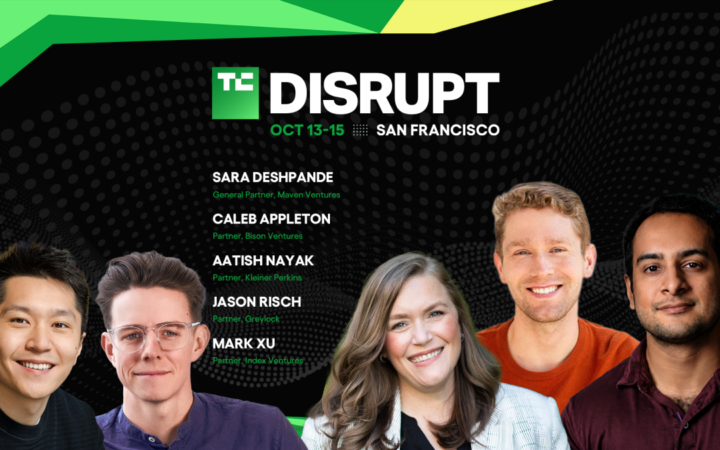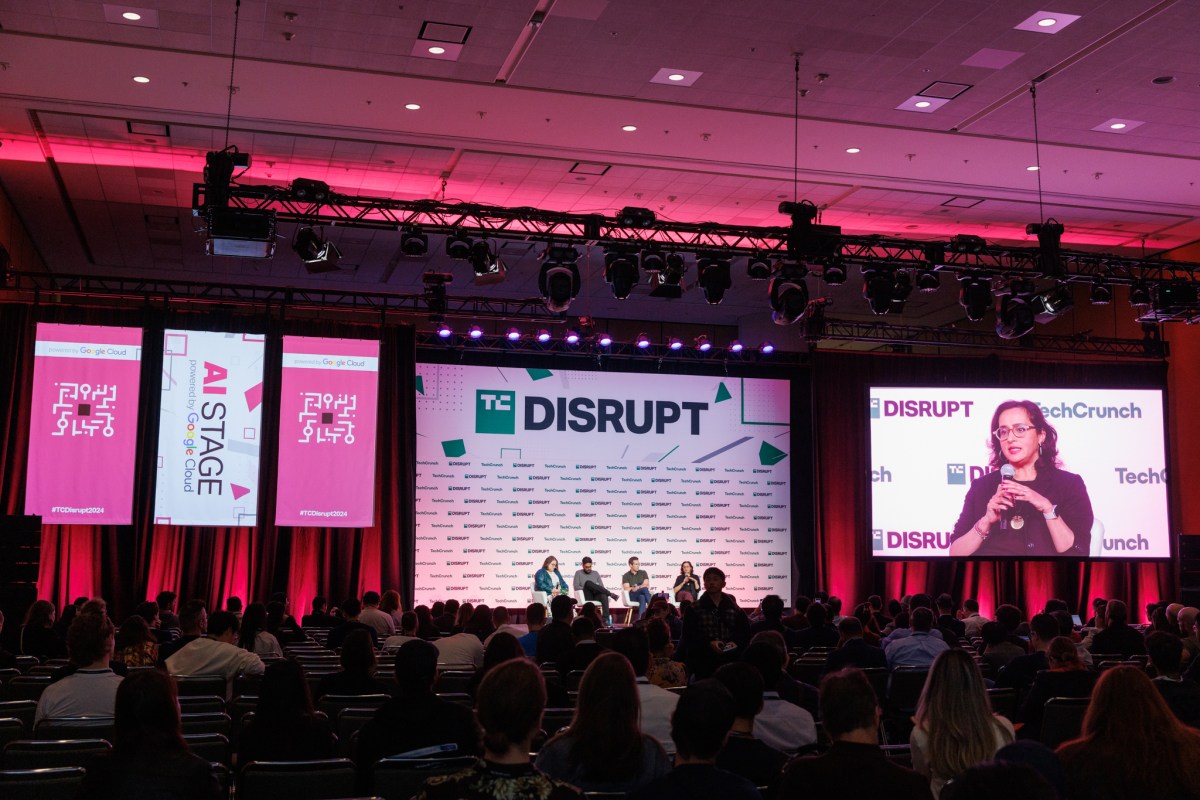
AI liability claims jumped 340% between 2024 and 2026, according to Swiss Re. Most founders walking into TechCrunch Disrupt 2026 have no idea they are one bad model output away from a lawsuit that wipes out their runway. These five sessions are not optional if you are shipping AI.
Why AI Safety Is Now a Founder Finance Problem
I want to be clear about something. AI safety used to be a research topic. Now it is a business solvency topic.
The EU AI Act went into full enforcement in 2026. The US liability framework around AI outputs is still being written in courtrooms. And founders are the ones footing the bill. According to the Stanford AI Index 2026, 61% of enterprise AI deployments have experienced at least one significant model failure that reached end users. That number climbs to 74% for startups shipping products without formal red team testing.
TechCrunch Disrupt 2026 has more AI safety content than any prior year. That is not a coincidence. Investors are now asking about AI risk frameworks in term sheet meetings. Insurers are requiring them before issuing tech E&O policies. The market has decided that AI safety is table stakes, not a differentiator.
If you are not in these rooms this week, your competitors will be. And when a model failure hits your product, they will know what to do. You will not.
The Five Sessions and Why Each One Matters
I went through the full Disrupt 2026 agenda and pulled the five sessions with the highest direct ROI for founders building AI products. Not researchers. Founders.
Session 1: Liability in the Age of Autonomous Agents
This session covers the emerging legal doctrine around agentic AI. When your AI takes an action on a user’s behalf and that action causes harm, who is liable? Right now, the answer depends on which state you are incorporated in and how your terms of service are written. According to LexMachina’s 2026 litigation report, AI related product liability cases tripled in Q1 2026 alone. The panel includes two litigators who have already tried these cases. Sit in the front row.
Session 2: Red Teaming Before the Press Does It For You
This is a hands-on workshop. Real prompts. Real failure modes. Real mitigation strategies. According to Anthropic’s model evaluation team, most production AI failures are discovered by end users before the company’s own QA team finds them. That is a PR nightmare and a legal exposure in one. This session teaches you how to find your model’s failure modes before your users become your QA department.
Session 3: The EU AI Act Compliance Playbook for Startups
If you have any European users, this session is not optional. The EU AI Act classifies most AI systems into risk tiers, and the compliance cost for high-risk systems can run $200,000 or more, according to Ernst and Young’s 2026 regulatory cost survey. The playbook session shows you how to assess your tier, document your system, and avoid the fines that are now being issued. The first enforcement actions dropped in March 2026. The fines are real.
Session 4: When Your AI Hallucinates in Front of a Customer
Every AI product ships a hallucination at some point. This session is about what happens next. Response protocols. Customer communication. Legal documentation. The founders on this panel have been through it. One of them lost a $2M enterprise contract after a hallucinated compliance claim made it into a deliverable. She will tell you exactly what she wishes she had built before that happened.
Session 5: Founding in the Liability Void
This is the one most founders skip and should not. It covers business structure, contracts, and insurance for AI companies specifically. If you are still operating as a sole proprietor or a general partnership while shipping AI, you have personal liability exposure. A proper LLC structure limits that. Inc Authority offers free LLC filing for founders who need to get their structure right fast, and it is worth doing before you ship anything further. This session explains exactly why structure matters and what coverage you actually need.
What I Would Do If I Were Shipping AI Right Now
I would block all five of these sessions in my calendar before I did anything else at Disrupt this year. Not the pitch competitions. Not the networking happy hours. These rooms first.
Then I would come home and do three things before the end of the week.
First, I would run a red team session on my own product using the framework from Session 2. One afternoon. Two people. Write down every failure mode you find.
Second, I would have my attorney review my terms of service against the EU AI Act tier classifications. If you do not have an attorney, the session on compliance gives you a self-assessment checklist.
Third, I would get every vendor contract, data processing agreement, and model licensing agreement signed and stored in one place. If you are still chasing PDF signatures over email, that process alone will slow down your compliance work. I use signNow for all our vendor paperwork because the audit trail it produces is exactly what regulators and insurers want to see.
None of this is glamorous. But it is what separates founders who survive their first AI product failure from founders who do not.
The Bottom Line
AI safety used to be the thing you worried about after you got product-market fit. That era is over. Investors, insurers, and regulators are all pulling in the same direction now. The founders who treat safety as infrastructure will be the ones still standing when the first major AI liability case hits the news cycle and spooks the whole market. That case is coming. Build like it is.
Frequently Asked Questions
What are the most important AI safety sessions at TechCrunch Disrupt 2026?
The five highest-impact sessions for founders are focused on AI liability law, red teaming, EU AI Act compliance, hallucination response protocols, and business structure for AI companies. Each one addresses a specific financial or legal risk that is active right now, not theoretical.
Do I need to attend AI safety sessions if my startup is early stage?
Early stage is exactly when you need to attend. Compliance debt and liability exposure are far cheaper to prevent than to fix. According to Ernst and Young’s 2026 survey, the average cost of retroactive AI compliance remediation is four times the cost of building compliance in from the start.
How does the EU AI Act affect US startups at TechCrunch Disrupt 2026?
If your product has any European users, the EU AI Act applies to you regardless of where you are incorporated. The act classifies AI systems into risk tiers with compliance requirements and fines that scale with your revenue. The compliance session at Disrupt walks through the tier assessment process step by step.
What is red teaming and why does it matter for AI founders?
Red teaming means deliberately trying to make your AI fail before your users do it for you. You test adversarial prompts, edge cases, and misuse scenarios in a controlled environment. According to Stanford’s AI Index 2026, companies that conduct red team testing before launch experience 58% fewer public model failure incidents in their first year.
How should a founder structure their business to limit AI liability?
An LLC is the baseline. It separates your personal assets from your company’s legal exposure. Beyond that, you need proper terms of service, model cards documenting your AI’s known limitations, and tech errors and omissions insurance. The Founding in the Liability Void session at Disrupt 2026 covers all three in detail.