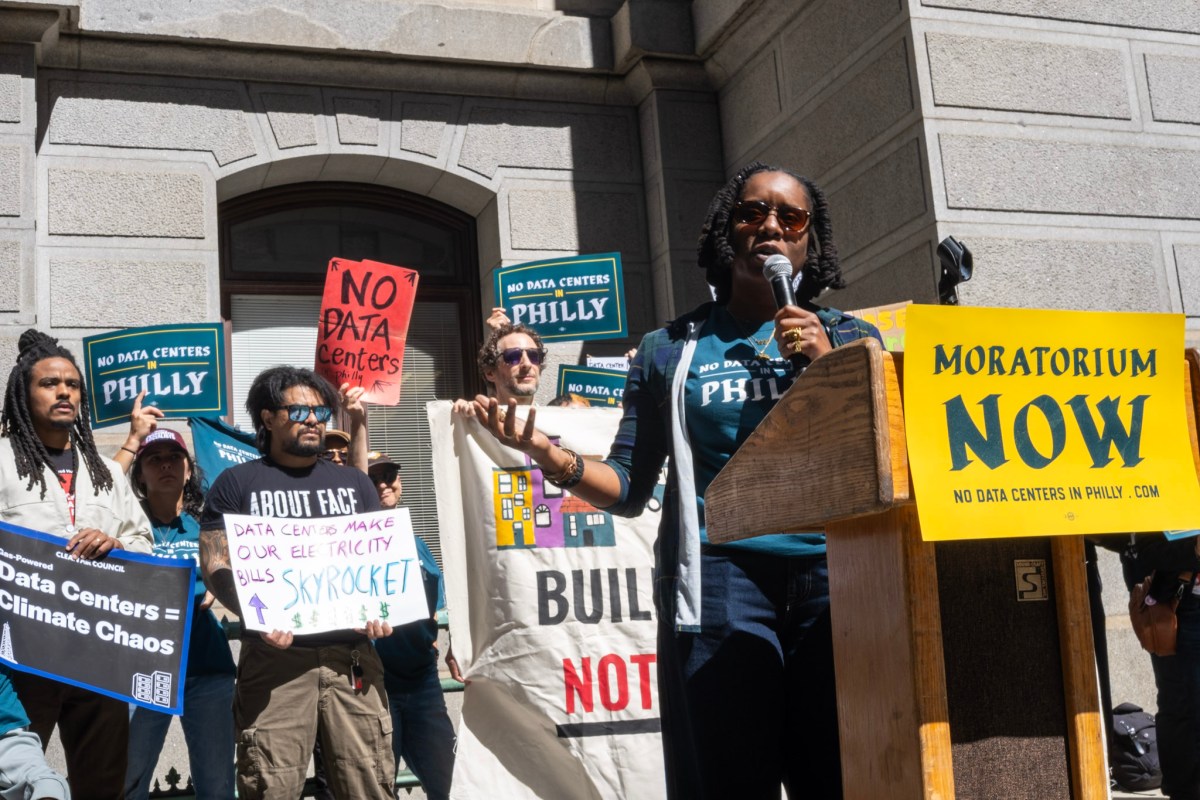
Big tech is dropping tens of billions into former steel towns and coal counties. The power lines go in. The buildings go up. Then 50 people get hired. That’s the deal American cities keep signing, and they keep wondering why nothing changes.
The Boom Is Real. The Promise Isn’t.
The numbers look incredible on paper. According to McKinsey, global data center investment hit $500 billion in 2025 and is on pace to double by 2030. Microsoft, Amazon, Google, and Meta have all announced mega-campus projects in states like Ohio, Indiana, West Virginia, and Pennsylvania. Places that used to make steel and dig coal are now being pitched as the backbone of the AI economy.
But here’s what the press releases leave out. A typical hyperscale data center employs between 30 and 50 full-time workers, according to Data Center Knowledge industry analysis. That’s it. A facility that costs $1 billion to build and consumes more electricity than a small city creates fewer permanent jobs than a single Applebee’s franchise.
Meanwhile, cities are handing out tax abatements lasting 10, 15, even 30 years. Columbus, Ohio gave tax breaks worth an estimated $1.6 billion to Intel for its chip manufacturing campus, according to reporting from the Columbus Dispatch. Similar deals are happening across the Rust Belt right now for data centers. The companies get the asset. The city gets the press release.
Who Actually Gets Rich Here
I want to be direct about something most financial media won’t say clearly. The AI data center boom is one of the biggest wealth transfers of this decade. Money is moving. It’s just not moving toward the people who need it most.
Think about how this works. A tech giant buys land cheap in a depressed market. Gary, Indiana. Youngstown, Ohio. They negotiate a 15 year property tax abatement. They pull power from the local grid at negotiated rates. They hire a handful of highly skilled tech workers, most of whom commute in or relocate from coastal cities. The local economy sees a construction boom for 18 months, then flatlines.
The landowners who sold to the tech company made money. The construction firms made money. The lawyers and lobbyists who structured the deal made money. The person who worked at the mill that closed 20 years ago is still waiting for their revival.
According to a 2024 Brookings Institution report, the median data center creates roughly 1.3 permanent jobs per $10 million invested. Compare that to traditional manufacturing, which creates 4 to 7 jobs per $10 million. Cities are trading manufacturing density for data center sprawl and calling it progress.
There’s also the energy angle. Hyperscale data centers consume enormous amounts of power and water. A single large facility can use as much electricity as 80,000 homes, according to the International Energy Agency. In regions with aging coal infrastructure, that’s often not green power. It’s the same fossil fuel economy wearing a new logo.
If you’re watching your finances tighten while your city’s tax base shrinks from abatements, running a tool like IdentityIQ credit monitoring can help you catch financial stress before it hits your score. When local budgets get squeezed, services get cut, and that pressure lands on residents first.
What I Would Do If I Lived in One of These Cities
Stop waiting for the data center to hire you. It won’t. Here’s how I think about this instead.
The facility is going in regardless. That means power demand goes up. Infrastructure spending goes up. Local real estate near the campus will likely appreciate at least short term. If you can buy before the announcement is public, great. If not, look at the surrounding suburbs where workers and contractors will want to live.
The construction phase creates real opportunity. Electrical contractors, HVAC specialists, concrete suppliers, security firms, catering companies, and janitorial services all see genuine revenue during a major build. If you have a trade skill or run a small business, position yourself before the bidding window closes.
Look at what the facility needs long term. Cooling. Water treatment. Diesel backup. Network maintenance. These are local contracts that last years. Getting into that supply chain is a real play for a small business owner with the right skills.
If you’re thinking about funding a move, a business pivot, or a property purchase to ride this wave, shopping your loan options through something like SuperMoney loan comparison can surface rates your local bank won’t offer. Rates vary significantly right now and most people leave money on the table by not comparing.
The asset play is simple. The city isn’t getting richer from the data center. But individual owners of land, local businesses, and infrastructure services can. The city-level deal might be terrible for the average resident. That doesn’t mean you can’t structure a better deal for yourself.
The Bottom Line
Big tech is not coming to save the Rust Belt. They’re coming for cheap land, cheap power, and 30 year tax breaks. They’ve found cities willing to trade long term fiscal health for a ribbon cutting photo. The AI economy will produce enormous wealth. Almost none of it is structured to flow toward the people these cities left behind in the 1980s. Stop looking for the company to hire you. Start looking for the asset they need. That’s where the money goes.
Frequently Asked Questions
How many jobs does an AI data center actually create?
According to Data Center Knowledge, a typical hyperscale facility creates between 30 and 50 permanent full-time jobs. During construction you’ll see hundreds of temporary workers, but those leave when the build is done. The permanent workforce is small and highly specialized.
Why do cities keep giving massive tax breaks to data centers?
Local officials are under enormous pressure to show economic wins. A $1 billion investment announcement looks like a victory even when the tax abatement erases most of the fiscal benefit over 20 or 30 years. Residents and voters respond to the headline number, not the long term tax model.
Is the AI data center boom good for local real estate near Rust Belt cities?
It depends on the location. Property near the campus often appreciates during the announcement and construction phase. But if the facility doesn’t bring a larger workforce or supporting businesses, appreciation flattens fast. Look at employment forecasts, not just the investment number.
How much electricity does a large data center use?
According to the International Energy Agency, a large hyperscale data center can consume as much electricity as 80,000 homes. This puts significant strain on regional grids, especially in areas still relying on coal and natural gas generation, which is common in Rust Belt states.
How can I position myself financially in a city getting a new data center?
Focus on the supply chain, not the hiring line. Trades, facilities services, catering, and security create local contracts that last years. Real estate near the site is worth watching before construction starts. Compare financing options early so you can move fast when the window opens.