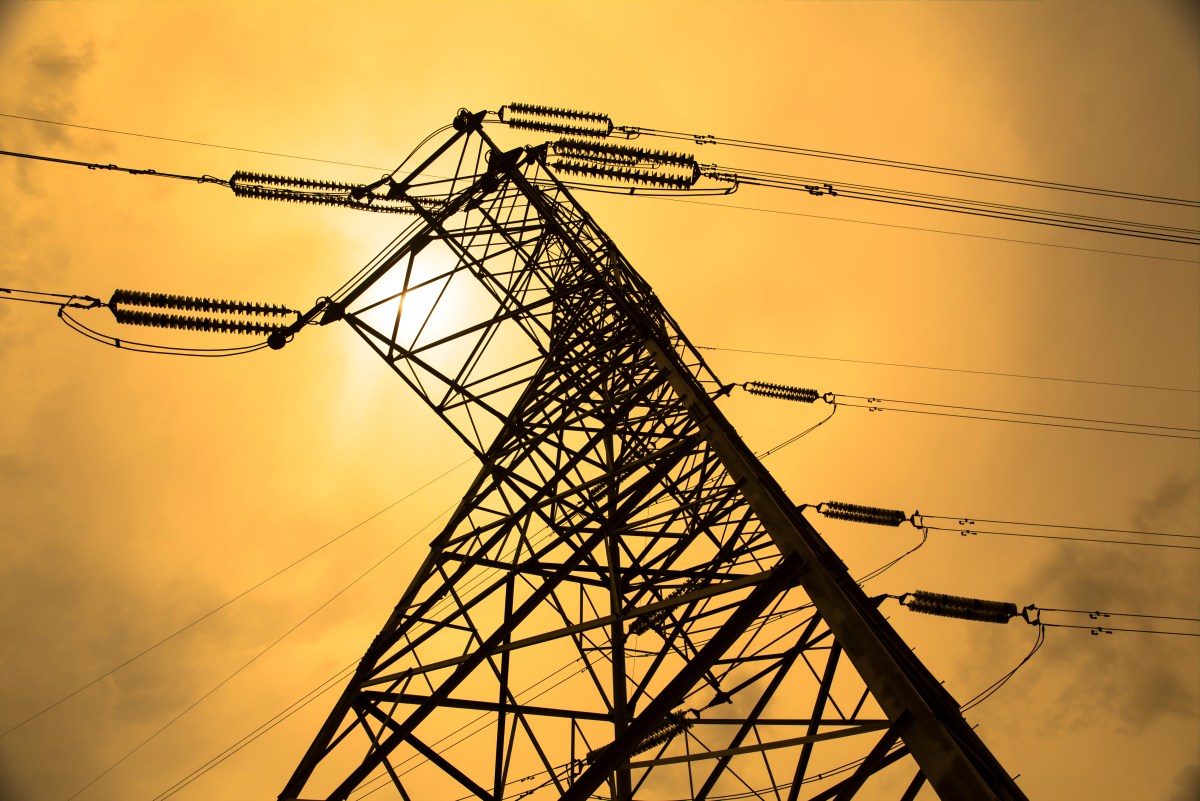
One fallen transmission line near a Virginia data center cluster knocked out three AI inference operations for hours last month and cost their operators an estimated $4.2 million in lost compute billing time. That is not a freak accident. That is a preview. The entire AI infrastructure boom is sitting on a power grid that was never designed to carry this load.
Why This Is Happening Right Now
The AI buildout is moving faster than any power utility can respond to. According to Goldman Sachs, data center power demand in the United States will increase 160% by 2030. That is not a slow trend. That is a near doubling in less than four years, on top of infrastructure that was already showing its age before the GPU rush started.
The grid is not keeping up. According to the Department of Energy, the average US power transformer is over 40 years old, and roughly 70% of high-voltage transformers are past their designed service life. These are the exact components that fail when one line goes down and the resulting surge hits the rest of the network.
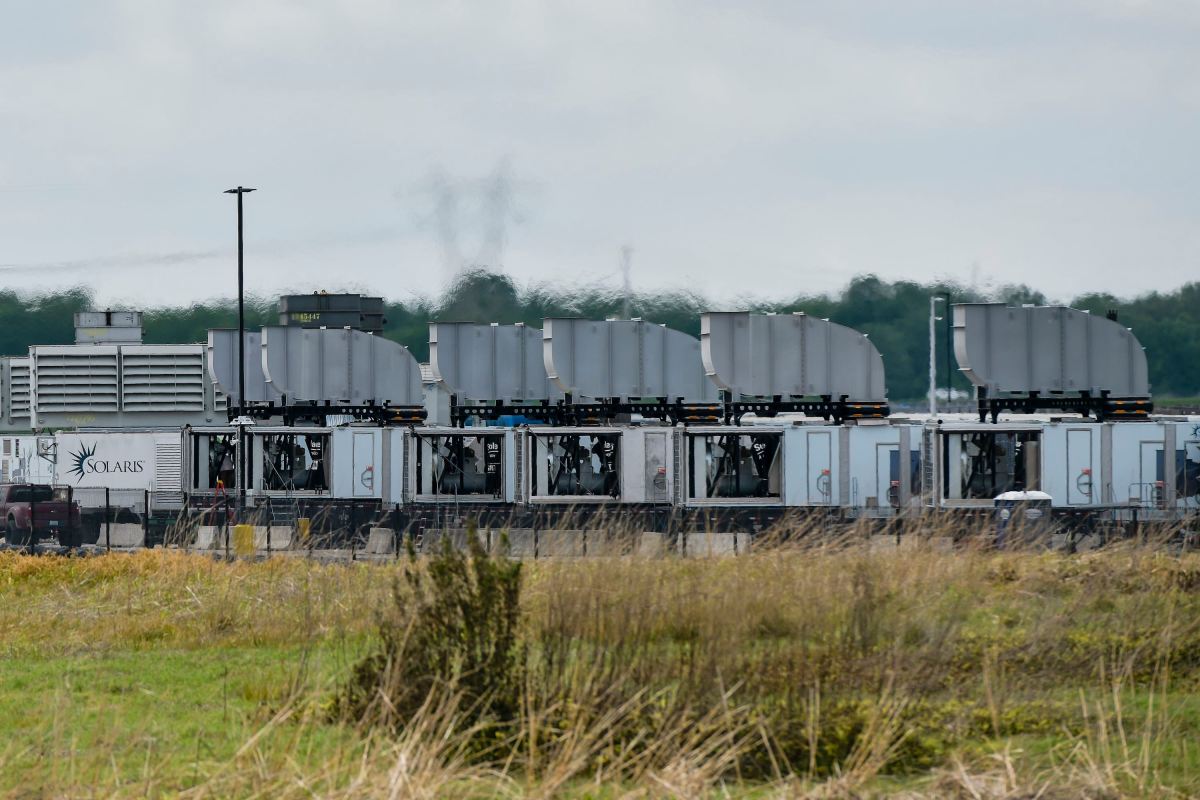
The Virginia incident happened in Loudoun County, the most data center dense place on earth. A single transmission line failure cascaded into a partial outage affecting multiple facilities. The operators had redundancy plans. They had backup generators. But they did not have enough bridging capacity to cover the handoff window between grid power and backup power, and that brief gap corrupted active compute jobs across all three sites.
According to the International Energy Agency, global data center electricity consumption hit about 460 terawatt hours in 2022. The IEA projected that number could double by 2026. In most major data center markets, actual consumption has already outpaced those projections.
The Real Problem Is Not the Power Line
Here is what most coverage gets wrong about this story. The fallen power line is not the problem. The dependency on the utility grid is the problem.
Every major hyperscaler figured this out two years ago. Microsoft committed to 8 gigawatts of nuclear capacity. Google signed long-term agreements with small modular reactor developers. Amazon bought a nuclear campus outright in Pennsylvania. They are not doing this because they love nuclear power. They are doing this because you cannot build reliable AI infrastructure on a grid that was engineered for 1970s load profiles.
The operators who got hit in Virginia are mid-tier cloud providers and enterprise AI shops. They cannot buy a nuclear plant. But they are still building their entire business on the assumption that the utility will deliver clean, stable power around the clock. That assumption is wrong in 2026.
Think about the financial exposure. A single GPU cluster running inference jobs at full capacity might bill $50,000 per hour in compute time to customers. A 90-minute outage does not just cost you that revenue. It costs you SLA credits, customer churn, and the reputation damage that follows. According to Uptime Institute, unplanned data center outages now cost enterprise facilities an average of $9,000 per minute. Most AI shops are not running Tier 4 facilities. Most are running Tier 2 infrastructure and hoping for Tier 4 outcomes.
The owner mindset says: power is infrastructure, and infrastructure is something you control. The average builder says: power is a utility bill, and utilities are someone else’s problem. That gap in thinking is exactly why some AI shops survive grid failures and others spend weeks apologizing to clients over incidents that were preventable.
If you are building an AI business right now and your entire operation runs on a single utility feed, you have an unpriced risk sitting inside your cost structure. Most operators have no idea what it would actually cost to fix it versus what one serious outage actually costs them.
What I Would Do Right Now
If I were running an AI infrastructure business today, here is how I would approach this.
First, audit your power dependencies before your next lease renewal. Most colocation contracts let you negotiate for additional feed capacity or dual utility feeds at signing but not mid-term. Know what you have before you are locked in for another three years.
Second, take on-site generation seriously. Battery storage paired with natural gas or propane backup has dropped significantly in cost since 2023. A properly sized battery system can bridge the 30 to 90 second handoff gap that causes most compute job failures during grid transitions. That is often the difference between a transparent failover and a cascading outage that takes your team two days to recover from.
Third, if you are running a serious operation, consider forming an LLC specifically for your infrastructure assets. Separating your compute infrastructure into its own entity gives you cleaner liability management and makes it easier to bring in infrastructure investors who want asset-backed exposure to AI without taking on your operating risk. Inc Authority offers free LLC filing for founders who want to set up that structure without paying an attorney for basic paperwork.
Fourth, get your vendor contracts and power agreements signed and locked before the next rate cycle. Utility rates for commercial customers are increasing in most major data center markets right now. I use signNow to turn around infrastructure contracts fast because waiting weeks for physical signatures in this market means paying the new rate instead of the old one.
Fifth, push your colocation provider for their full power chain documentation. You want to see utility feed redundancy specs, transfer switch ratings, battery backup capacity, and generator runtime at full load. If they cannot show you all four in writing, you are accepting a risk you have not priced.
The Bottom Line
One power line falling should not be able to take down AI infrastructure that businesses are betting their futures on. But right now it can, and it will keep happening as long as operators treat grid power as a given instead of treating it as a single point of failure. The hyperscalers already moved past the utility grid. The mid-market needs to catch up fast, or keep paying for outages that should have been preventable.
Frequently Asked Questions
What caused the AI data center power outage linked to a fallen power line?
A single transmission line failure created a surge that overwhelmed the backup power handoff at multiple facilities sharing the same grid zone. Even facilities with redundancy experienced brief power transitions that corrupted active compute jobs. The core issue is reliance on a single utility feed without adequate battery bridging capacity to cover the transition window.
How do AI data centers protect against power outages?
The most reliable configurations use dual utility feeds from separate substations, on-site battery storage to bridge transfer gaps, and diesel or gas generators for extended outages. Increasingly, serious operators are signing long-term power purchase agreements with on-site or near-site generation assets to reduce grid dependency altogether.
Why are AI data centers consuming so much power?
GPU clusters running AI training and inference workloads draw power at 10 to 20 times the density of traditional server racks. According to Goldman Sachs, this is pushing US data center power demand toward a 160% increase by 2030. Cooling those GPUs adds another 30 to 40% on top of the raw compute draw.
What does an AI data center outage actually cost?
According to Uptime Institute, unplanned outages cost enterprise data centers an average of $9,000 per minute. For AI inference facilities billing compute time to customers, that number climbs further when you factor in SLA credits and the customer churn that follows a reliability failure. A 90-minute outage at a busy facility can easily exceed $1 million in total impact.
What should smaller AI businesses do about power risk?
Start with an honest audit of your power chain, including what redundancy your colocation provider actually delivers versus what is written in your contract. Prioritize dual feed capacity at your next lease negotiation, invest in battery bridging technology, and consider separating your infrastructure assets into a dedicated legal entity to manage liability and attract infrastructure capital.