AI Actors Are Banned From Oscars and It Changes Everything
“`html
AI Actors Are Banned From Oscars and It Changes Everything
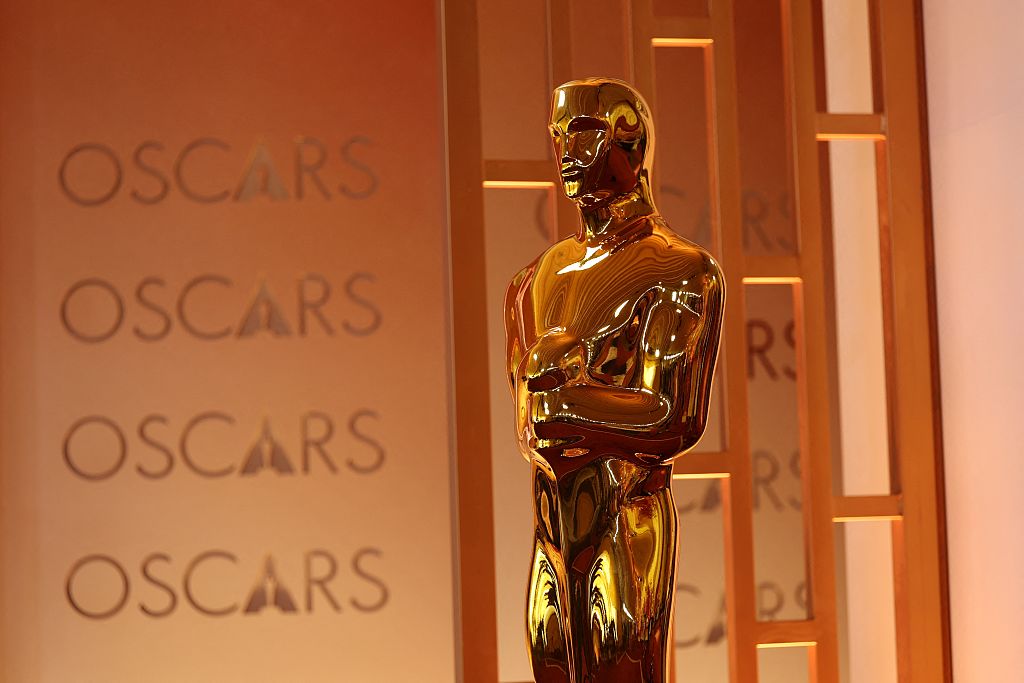
The Academy just drew a hard line. AI-generated actors and AI-written scripts are now ineligible for Oscar nominations or wins, according to the Academy of Motion Picture Arts and Sciences. If you’re betting on a fully synthetic film sweeping awards season, that bet is dead. And if you’re “Tilly Norwood,” whoever that is, your invite got lost in the mail.
What Just Happened
The Academy of Motion Picture Arts and Sciences announced rules that bar AI-generated actors and AI-written screenplays from Oscar eligibility, according to AMPAS official guidelines. Only human-performed roles, given with full consent and credited in legal billing, can qualify. Scripts must be written by humans. Period.
This didn’t come out of nowhere. According to reporting tied to the 2023 Writers Guild of America strike, AI use in creative roles was the number one fear driving writers to picket lines for nearly five months. That strike involved roughly 11,500 WGA members, according to the Writers Guild of America. The Academy’s new rules are a direct response to that pressure. Hollywood got loud, and the Academy listened.
The rules also note a case-by-case review process for edge cases. Val Kilmer’s AI-rendered voice in “Top Gun: Maverick” and archival footage usage in “As Deep as the Grave” are two examples the Academy has flagged for individual review, according to AMPAS guidelines. So it’s not a total blackout on AI tools. It’s a blackout on AI replacing human artistry at its core.
Here Is My Contrarian Take
Most people see this ruling and think the Academy is protecting the past. I think they’re accidentally protecting the future of human value in a world that’s rapidly trying to price humans out.
Think about what’s actually happening. Studios are already experimenting with synthetic actors. AI script tools can produce a feature screenplay in under an hour. The cost pressure is enormous. A top screenwriter can earn between $150,000 and $250,000 for an original script, according to the Writers Guild of America schedule of minimums. An AI tool costs a few hundred dollars a month. Any CFO with a spreadsheet can do that math.
But here’s what those CFOs are missing. Awards matter to box office. Films with Oscar nominations see an average revenue bump of 22% post-nomination, according to a study published in the Journal of Cultural Economics. If your AI-generated film can’t chase that bump because it’s ineligible, you’ve already capped your upside before the cameras stop rolling.
The Academy isn’t being sentimental. They’re being strategic, whether they know it or not. They’re keeping the prestige pipeline tied to human performance. That prestige is worth money. Real money.
Now let’s talk about Tilly Norwood. The name is floating around AI and film circles as a kind of symbol, a fictional or satirical stand-in for the “AI actress of the future.” No verified credits. No confirmed identity in any credible film or AI database. But the fact that people are already naming fictional AI actors tells you everything about where the conversation is heading. People are preparing for a world where synthetic performers have careers. The Academy just said not on our stage.
I’ll be direct. I think this rule is correct, not because I’m anti-AI, but because I’m pro-incentive structures. If you remove the award carrot from human creative work, you collapse the financial case for hiring humans. That collapse happens fast. The Academy is one of the few institutions that can credibly say human work deserves a premium. They should use that power.
If you’re a filmmaker or content creator watching this space, you still have tools that can help you produce high-quality work without crossing into ineligibility. InVideo AI video creation, for example, is built to assist human creators, not replace them. You’re still the author. You’re still in control. That distinction matters now more than ever.
What This Means for You
If you’re a filmmaker, a screenwriter, or anyone building a career in visual storytelling, this ruling is your green light to double down on your human skills.
Here is what I would do right now.
First, I’d make sure every project I touched had clean documentation of human authorship and human performance at its core. Not because I’m afraid of AI tools, but because the awards trail and the prestige economy still run on that proof. Paper trails protect you.
Second, I’d stop treating AI as a replacement and start treating it as a production assistant. The Academy’s rules don’t ban AI from film production entirely. They ban AI from claiming the creative credit. Use AI to speed up your workflow. Use it to rough cut, to brainstorm, to prototype. But keep the pen in your hand.
Third, if you’re an independent creator trying to compete without a studio budget, look at the tools that let you do more with less while keeping you in the director’s chair. AppSumo lifetime software deals are worth checking out if you want to build a solid creative toolkit without paying monthly subscription fees that bleed your budget dry. One-time cost, long-term access. That’s smart money management for any indie creator.
Fourth, watch the edge case rulings closely. The Academy’s case-by-case review process is where the real policy gets written. How they handle archival voice synthesis will set the precedent for everything that comes after. If Kilmer’s AI voice gets a pass because a human performance existed underneath it, that tells you the rule is about human origin, not human execution. That’s a meaningful distinction.
The creators who thrive in this environment won’t be the ones who fight AI or worship it. They’ll be the ones who stay clearly and documentably human at the center of their work.
The Bottom Line
The Oscar ban on AI actors and scripts isn’t a nostalgia move. It’s a valuation decision. Human creativity just got a formal price floor from one of the most powerful institutions in entertainment. Studios that ignore this will chase cheap content and lose the awards revenue bounce that pays for their next project. The smart money is still on humans. For now, the trophy is too.
Frequently Asked Questions
Are AI-generated actors banned from all Oscars categories?
Yes, according to AMPAS rules, AI-generated actors are ineligible across acting categories. Only human-performed roles with proper consent and legal billing credit can qualify for nomination or wins.
Can filmmakers use AI tools at all and still be Oscar eligible?
Using AI as a production tool doesn’t automatically disqualify a film. The Academy reviews edge cases individually, according to AMPAS guidelines. The core requirement is that human artistry drives the performance and the writing.
Why did the Academy ban AI-written screenplays from Oscar eligibility?
The rules stem directly from concerns raised during the 2023 WGA strike, according to AMPAS and WGA sources. Writers fought to protect authorship rights, and the Academy’s eligibility rules now reflect that human writing must be at the center of any nominated script.
Who is Tilly Norwood and why does she keep coming up in AI actor discussions?
Tilly Norwood appears to be a satirical or fictional reference used to personify the idea of a future AI actress, with no verified credits or confirmed identity in credible film or AI databases. The name circulates as a cultural shorthand for the synthetic performer concept the Academy’s rules are now explicitly blocking.
Does the Oscar AI ban affect how studios will invest in AI film technology going forward?
It should. Films with Oscar nominations see an average revenue increase of 22% post-nomination, according to research published in the Journal of Cultural Economics. If AI-led productions can’t access that revenue pathway, the financial case for going fully synthetic gets much weaker very fast.
“`
Get stories like this in your inbox. Daily.
Free. No spam. The AI, tech, and finance stories that move money.