Agility Robotics Moves Into Tesla Optimus Territory
Agility Robotics Moves Into Tesla Optimus Territory
Agility Robotics just opened a factory capable of building 10,000 humanoid robots per year, and it did it while everyone was busy watching Elon Musk’s demos. The humanoid robot market is projected to hit $38 billion by 2035, according to Goldman Sachs. That’s not a niche experiment. That’s a land grab, and Agility is already staking its claim.
What’s Actually Happening
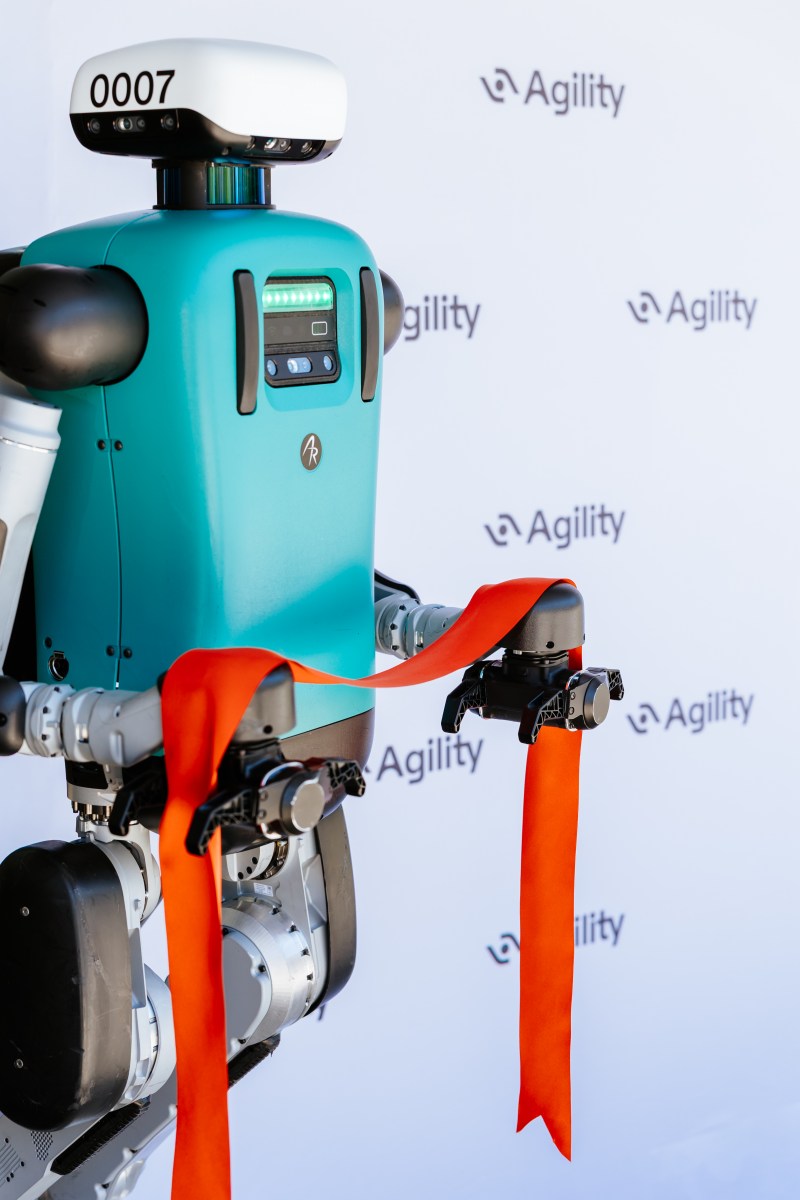
Agility Robotics, backed by Hyundai since its 2023 acquisition, operates RoboFab in Salem, Oregon. It’s the world’s first factory purpose built to mass produce humanoid robots, according to Agility Robotics. Current capacity sits at 10,000 units per year with room to scale.
Tesla has been running its Optimus program out of its Fremont, California facility. Elon Musk projected in 2024 that Tesla would produce 1,000 Optimus units in 2025 and scale to tens of thousands by 2026. Projections are one thing. Deployed robots in working warehouses are another.
Amazon already has Digit robots operating in its fulfillment centers. According to Amazon’s operational updates in 2024, Digit moved from pilot to multi-site deployment. That’s commercial traction you can measure.
Why Most People Are Getting This Wrong
The media follows Musk. That’s just how it works. But that attention creates a real blind spot for anyone trying to understand where this market is actually going.
Agility Robotics has been building bipedal robots since 2015. That’s nearly a decade of engineering before Tesla put its first Optimus prototype on a stage. According to Agility Robotics, Digit can carry up to 35 pounds and operate continuously in standard warehouse environments with no custom infrastructure required.
That last part matters more than most investors realize. Retrofitting a warehouse to accommodate a robot is expensive and slow. A robot that works in a space built for humans removes one of the biggest adoption barriers. Digit is designed around that constraint from the ground up.
The warehouse and logistics automation market was valued at $27 billion in 2024, according to Research and Markets. Agility is going after that market with a product that’s already proving itself in production environments. Tesla is going after it with a product that still needs to prove itself at scale.
I’ve followed robotics long enough to know that the demo robot and the production robot are almost never the same thing. Getting a bipedal robot to walk across a stage is hard. Getting one to work a 10-hour shift without breaking down is an entirely different problem. Agility has years of field data on that second problem. Tesla is still collecting it.
Hyundai’s involvement also changes the competitive picture. Hyundai previously backed Boston Dynamics before buying it outright. They understand long development timelines in robotics and they have the patience to fund them. That’s not a small advantage when you’re burning serious capital on hardware R&D.
If you’re building a media or research workflow around this space, InVideo AI makes it straightforward to turn stories like this one into short form video content without a full production team. The humanoid robot story is moving fast and short video is the format most people are using to follow it.
What This Means For You
If you’re an investor, here’s where I’d focus my attention: the supply chain behind humanoid robots is still largely invisible and that’s exactly where real money tends to get made.
The companies building actuators, force sensors, and specialized chips for humanoid platforms are going to see serious demand no matter who wins the top robot slot. According to McKinsey, the industrial robotics components market could triple between 2024 and 2030. You don’t have to pick the winning robot. You can invest in the infrastructure that all of them need.
If you run a business with repetitive physical labor, start paying attention to the unit economics. Digit reportedly costs around $250,000 per unit at current pricing. That sounds steep until you model a five-year comparison against warehouse labor including turnover, training, and benefits. In high-volume facilities, the math is starting to close.
If you’re a software developer or founder, the hardware layer is getting commoditized faster than most people expect. The real unsolved problem is the software that tells these robots what to do and how to adapt when something unexpected happens. That’s where the next wave of opportunity lives.
For anyone building a content or research practice around AI and robotics, AppSumo regularly surfaces lifetime deals on productivity and research tools that save serious money when you’re covering a space that evolves week to week.
The biggest mistake I see people make is assuming Tesla wins by default because of brand recognition. This market has room for multiple winners. Agility already has a head start in commercial deployment and that advantage compounds over time.
The Bottom Line
Agility Robotics is not the underdog in this race. They have a factory running at scale. They have Amazon as a paying customer across multiple sites. They have Hyundai’s capital and patience behind them. And they have years of operational field data that Tesla’s Optimus program hasn’t had time to collect yet. Tesla may catch up. But right now, Agility is the company actually putting robots to work. Don’t let the louder headlines make you miss that.
Frequently Asked Questions
What does Agility Robotics make and where is it based?
Agility Robotics makes Digit, a bipedal humanoid robot built for warehouse and logistics work. The company was founded in 2015, is headquartered in Oregon, and was acquired by Hyundai Motor Group in 2023. Their RoboFab facility in Salem, Oregon is the world’s first factory dedicated to humanoid robot production.
How does Digit compare to Tesla Optimus right now?
Digit is already in commercial deployment with Amazon across multiple fulfillment centers as of 2024. Tesla Optimus is in earlier commercial deployment stages with Tesla’s own factories as the primary testing ground. Digit has a longer track record of real world operational use and was designed specifically for existing human-scale environments.
What is the humanoid robot market worth?
According to Goldman Sachs, the humanoid robot market is projected to reach $38 billion by 2035. The broader warehouse and logistics automation market was already valued at $27 billion in 2024, according to Research and Markets. Humanoid robots are positioned to capture a growing share of that market as unit costs come down.
Is Agility Robotics publicly traded?
Agility Robotics is a private company owned by Hyundai Motor Group and is not publicly traded. Investors seeking public market exposure to humanoid robotics often look at Hyundai itself, or at component suppliers serving the broader industrial automation industry.
How much does a Digit humanoid robot cost?
Digit units are currently priced at approximately $250,000 each. Pricing is expected to drop as RoboFab scales production. At current prices, the strongest economic case is for high-volume logistics operations where labor costs, turnover rates, and shift coverage needs make the comparison favorable within a five-year window.
Get stories like this in your inbox. Daily.
Free. No spam. The AI, tech, and finance stories that move money.