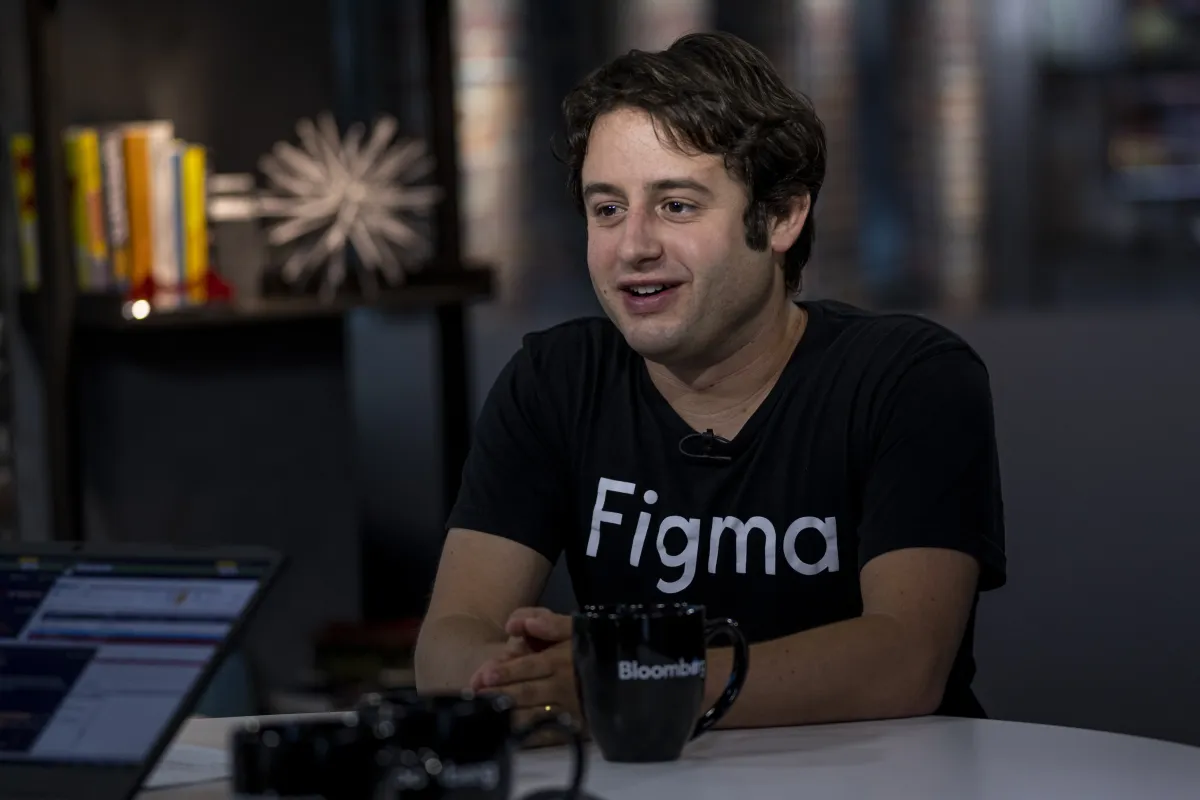
Figma’s cofounder Dylan Field just said what a lot of builders are thinking but won’t say publicly. MCP, the Model Context Protocol that Anthropic released in late 2024, is not a perfect protocol. If you’re betting your product on it as permanent infrastructure, you might be building on sand.
Why This Matters Right Now
MCP took off fast. Anthropic released it as an open standard for connecting AI models to external tools, databases, and services. The pitch was simple: one protocol for any AI to talk to any tool. According to Anthropic, MCP adoption spread to thousands of developers within months of its public release, with major platforms including OpenAI, Google, and Microsoft announcing support before the end of 2024.
That kind of adoption speed is rare. It’s also a warning sign.
When something spreads that fast, it’s usually because it solved the most obvious problem well enough. Not perfectly. Well enough. The cracks show up later, after teams have built production systems on top of it and the edge cases start piling up.
Dylan Field is not a peripheral voice here. He built Figma into a design platform used by millions of professionals, according to Figma’s published user data. He negotiated a $20 billion acquisition with Adobe before regulators killed the deal. When someone with that level of product judgment flags a protocol’s design limits in public, it’s worth slowing down to think about what he actually saw.
What’s Actually Wrong With MCP
Field’s point isn’t that MCP fails at its basic job. It’s that the tradeoffs baked into MCP create problems that don’t show up until you’re running something serious.
Security is the clearest gap. Because MCP gives AI models direct access to external tools and services, a compromised or malicious MCP server can cause real damage. The protocol doesn’t enforce a built-in authentication standard across implementations. Developers have to add that themselves. That’s fine when you’re prototyping. It’s a problem at scale.
Complexity is the other issue. MCP was designed to be simple enough to adopt quickly. That simplicity has a cost. Workflows that need precise control over what an AI can and cannot do start hitting the protocol’s edges. Teams patch around it. The patches accumulate. The architecture gets messy.
I’ve watched this exact pattern before. REST gave way to GraphQL for teams that needed more control. SOAP gave way to REST before that. A protocol gets wide adoption because it solves the most obvious problem fast. Then the specialized use cases expose what it can’t do well. Then something more precise takes over for the teams building the hardest things.
According to a 2025 developer survey by JetBrains, over 65% of developers building AI-integrated products reported that tooling standards were their biggest source of integration friction, more than model quality or latency. That number came out before Field’s comments. The skepticism was already there. He just gave it a name.
Here’s the money angle that most builders are missing. Companies that treat MCP like permanent infrastructure are taking on protocol risk. If the standard shifts or fragments into competing versions, integrations break. That means engineering time, customer trust, and competitive exposure all at once. The teams that built early products tightly coupled to specific AWS services in 2010 learned this lesson the hard way when AWS changed pricing and APIs. Protocol risk is the same lesson dressed differently.
If you’re signing technology partnership agreements or vendor contracts around your AI tool stack right now, use something that moves fast. A platform like signNow handles e-signatures cleanly so you’re not slowing down a contract review while your competitors are shipping.
What This Means for You
Don’t abandon MCP. That’s not the takeaway. MCP has the widest support of any AI integration protocol today and walking away from it creates more problems than it solves. The right move is to use it while keeping your architecture flexible.
Here is what I would do. Build your product logic above the protocol layer. Wrap your MCP integrations in an abstraction so you can swap or update the protocol without rewriting your core product. This is basic engineering hygiene that most teams skip when they’re moving fast. It pays off when the standard evolves, and it will evolve.
Watch what Figma actually ships next. Field doesn’t make public statements like this without having something specific in mind. Figma is deep in AI feature development right now. If they’re publicly questioning MCP’s limits, they’re either pushing for specific changes to the spec or they’re building around it in ways they’ll announce later. Either outcome changes what the AI tooling space looks like in 12 months.
According to CB Insights, AI infrastructure investment topped $15 billion globally in 2025. That capital is flowing into exactly the kind of protocol and tooling layer that Field is criticizing. The companies that win these infrastructure bets are usually not the ones who picked the first standard. They’re the ones who stayed flexible and moved when the moment was right.
If you’re building a startup in this space, get your business structure right before the protocol debates eat your calendar. Inc Authority offers free LLC formation so you can lock in your legal structure fast and keep your attention on the product decisions that actually matter.
The Bottom Line
Field said MCP is not perfect. That’s not the same as saying it’s dead. But in infrastructure, “not perfect” at the protocol layer means years of friction, fragmentation, and eventual replacement. I don’t know what comes after MCP. Neither does Field. What I do know is this: when Figma’s cofounder starts questioning the AI standard publicly in 2026, the teams still treating MCP like a foundation they never have to revisit are the ones who will be most surprised when the ground shifts.
Frequently Asked Questions
What is MCP and why do developers care about it?
MCP, or Model Context Protocol, is an open standard Anthropic released in late 2024 that gives AI models a consistent way to connect to external tools and data sources. Developers care because it reduced the cost and complexity of building connected AI products. It became one of the fastest adopted AI infrastructure standards according to Anthropic’s own published adoption data.
What specifically did Dylan Field say about MCP?
Field publicly stated that MCP is not a perfect protocol, pointing to its design tradeoffs as the source of real limitations. His concerns center on security gaps and the constraints that come from MCP’s emphasis on simple fast adoption over precision and control. He’s not calling for abandonment, but he is signaling that the standard has meaningful ceilings.
Should I stop using MCP for my AI project?
No. MCP still has the broadest support and the largest developer community of any AI integration protocol available today. The right move is to use it while building an abstraction layer between your product logic and the protocol itself so you can adapt as the standard evolves without rewriting your core product.
Is the MCP debate a sign that AI tooling is too immature to build a business on?
Protocol debates are actually a sign of maturity, not immaturity. They happen when a technology is moving from “does this work at all” to “how do we make this production grade.” That transition is exactly when serious businesses get built, by the teams paying attention to what the infrastructure debates are really about.
How does a founder protect their startup from protocol risk?
Build abstraction layers between your core product and any specific protocol. Follow what the largest players (Figma, Anthropic, OpenAI) actually ship, not just what they say. And keep your business formation and legal structure clean early so protocol pivots don’t turn into operational crises at the same time.