Apple has over 2.2 billion active devices in circulation, according to Apple’s own earnings reports. Yet in the $157 billion smart home market, Apple runs a distant third behind Amazon and Google. The HomeView is supposed to fix that. Whether it actually will is a different question entirely.
Why Smart Home Has Always Been Apple’s Blind Spot
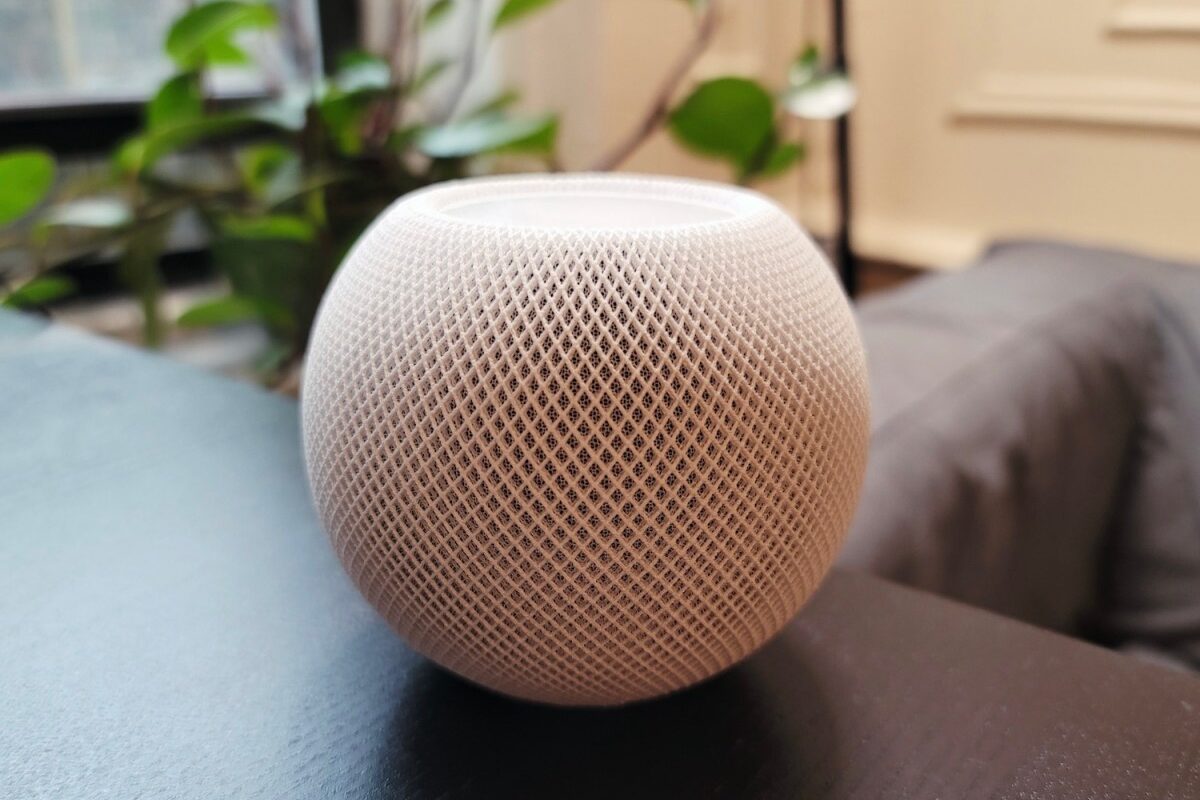
Apple launched HomeKit in 2014 with a lot of promise. By 2026, it controls roughly 9% of the smart home market, according to Statista. Amazon’s Alexa platform sits at around 31%, and Google Home commands another 21%. The HomePod launched in 2018 at $349 and sold modestly at best. The HomePod mini did better but never broke through. Apple has tried and failed at the connected home more than once.
The reasons aren’t complicated. Apple’s smart home products have always felt like accessories to the iPhone rather than standalone experiences. You couldn’t set up a HomePod without an iPhone nearby. Automations required technical knowledge most people don’t have. And the app story was weak compared to what you could do on an Amazon Echo Show or a Google Nest Hub.
According to Parks Associates, 34% of U.S. broadband households own at least one smart home device as of early 2026. That’s a massive market that Apple is largely losing.
What HomeView Actually Is and Why It’s Different
HomeView is Apple’s first dedicated smart home display. Think of it as a wall-mounted or countertop screen running a simplified version of iOS with deep HomeKit integration. It controls lights, locks, cameras, thermostats, and entertainment from a single interface.
But the real difference is the AI layer. Apple Intelligence, Apple’s on-device AI system, powers HomeView’s natural language controls and predictive automation. The device learns your routines over time and suggests automations rather than requiring you to build them from scratch. That’s a meaningful shift from every Apple smart home product that came before it.
I’ve been watching Apple’s smart home strategy closely for years. What they’ve finally done right is treat the home as a platform, not an accessory. HomeView is designed to be the central hub. Not just a speaker with a screen.
The device also introduces something new to Apple’s lineup: a persistent ambient interface. When you’re not actively using it, HomeView shows family photos, calendar summaries, weather, and home status at a glance. This directly competes with Google Nest Hub’s ambient display feature, which according to Google has been one of their most-used features on the Nest Hub Max.
The Privacy Play and Why It Matters
Amazon and Google’s smart home dominance has come at a cost. Both companies have faced scrutiny over data collection. The FTC fined Amazon $25 million in 2023 for Alexa privacy violations tied to children’s voice data, according to the Federal Trade Commission. Google faced similar regulatory pressure in Europe.
Apple’s pitch with HomeView is simple: your home data stays on your device. Apple Intelligence processing happens on-device for most tasks. Cloud processing uses Apple’s Private Cloud Compute, which the company claims leaves no persistent record.
For parents, professionals, and anyone who has read even one headline about data breaches, that’s a strong offer. I think Apple is smart to lead with privacy here. It won’t win everyone. But it will win the people who write the checks in households earning over $100,000 a year, which is exactly Apple’s customer base.
If you want to build content around smart home setups and product reviews, tools like InVideo AI let you produce quick explainer videos showing HomeView automation flows without hiring a production crew. That’s real value for creators covering consumer tech right now.
What This Means for You
Here is what I would do if I were making decisions based on this launch.
First, if you’re already in the Apple product lineup, HomeView is worth serious consideration. The integration between HomeView, iPhone, Apple Watch, and Apple TV is genuinely better than anything Amazon or Google offers for Apple users. That’s not opinion. That’s the result of Apple controlling the full stack. According to Consumer Intelligence Research Partners, Apple users have an average of 3.2 Apple devices per household as of 2025. HomeView is designed for exactly that customer.
Second, if you’re a developer or a startup building smart home products, get your HomeKit certification current. Apple is about to drive a lot of HomeView sales, and every compatible device benefits. The platform momentum is real this time.
Third, if you’re a content creator or small business owner covering consumer tech, start building your HomeView content library now. Early movers on platform launches capture the bulk of organic search traffic. AppSumo regularly features lifetime deals on video and content tools at a fraction of what monthly subscriptions cost, and right now there are several strong options for creators building product review channels.
Finally, do not count Amazon out. Alexa Plus just launched with a similar AI layer. Google is upgrading Nest Hub. The smart home space is about to get more competitive, not less. HomeView is Apple’s best shot, but the race isn’t over.
The Bottom Line
Apple has the brand, the install base, and now a product worth buying. HomeView won’t end Amazon’s lead overnight. Nothing does. But for the first time in Apple’s smart home history, they’ve built something that can actually grow market share. I’d put real money on HomeView hitting 15% smart home share by 2028. The only thing that stops them is themselves.
Frequently Asked Questions
What is the Apple HomeView?
Apple HomeView is a smart home display hub running a simplified version of iOS. It controls HomeKit-compatible devices through voice, touch, and AI-powered automations. It’s Apple’s first dedicated smart home display product.
How does HomeView compare to Amazon Echo Show and Google Nest Hub?
HomeView integrates more deeply with Apple devices like iPhone, Apple Watch, and Apple TV than any Amazon or Google product can match. The tradeoff is that it works best if you’re already committed to Apple products. If you use Android, the value drops considerably.
Is Apple HomeView worth buying in 2026?
For Apple product users, yes. The on-device AI processing, the privacy protections, and the tight integration with other Apple hardware make it the best smart home display for iPhone households. For everyone else, Google Nest Hub or Amazon Echo Show still make more sense.
Does HomeView work without an iPhone?
HomeView can operate independently once it’s set up, but initial configuration requires an iPhone or iPad. Some features like Handoff and continuity require a nearby Apple device. It’s built for Apple households, not as a standalone platform.
What smart home devices are compatible with Apple HomeView?
Any device certified under Apple’s Matter standard or HomeKit protocol works with HomeView. According to Apple, there are over 1,000 certified Matter devices available in 2026, including products from Philips Hue, Ecobee, Yale, August, and most major smart home brands.