The AI boom needs power. A lot of it. According to Goldman Sachs, data center electricity demand will surge 160% by 2030. The grid can’t keep up. That gap between what AI needs and what the grid can actually deliver is where Ambrosia Energy and Bloom Energy are building their business cases right now, and the executives who took the TechCrunch Disrupt 2026 stage made one thing crystal clear: this window won’t stay open forever.
What Happened at TechCrunch Disrupt 2026
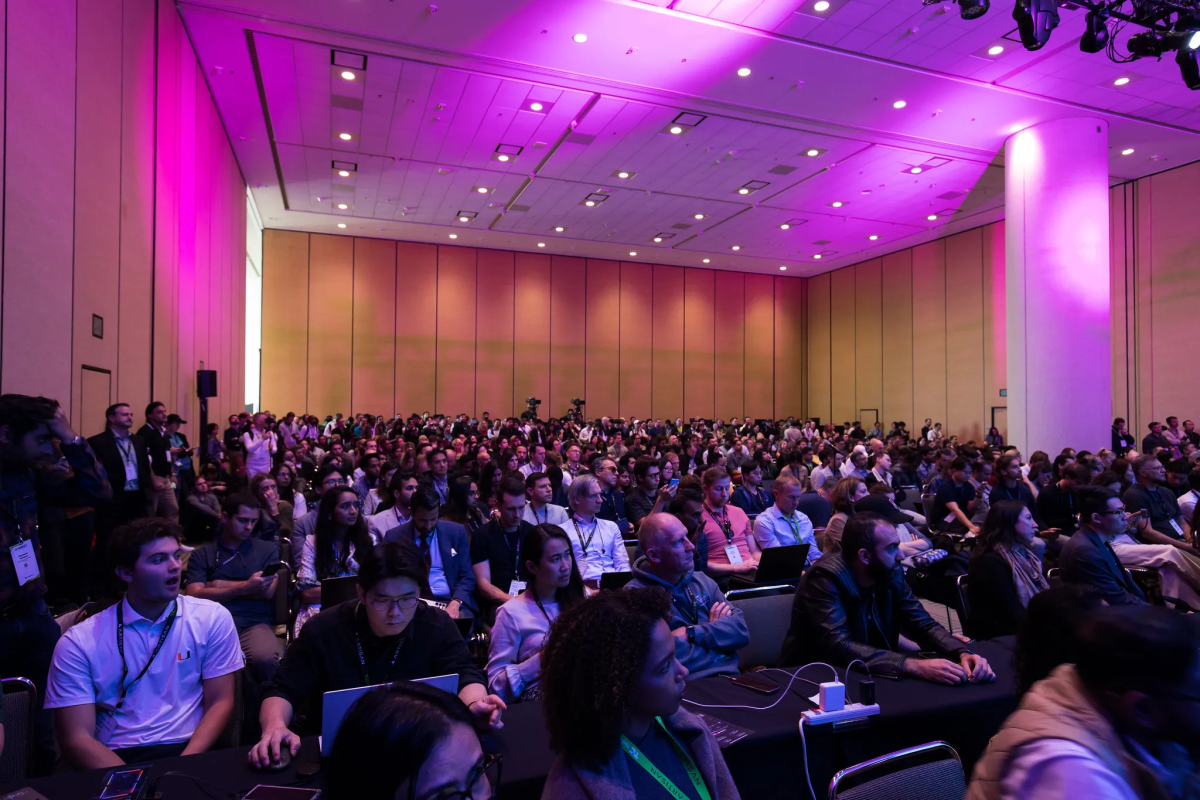
At TechCrunch Disrupt 2026, executives from Ambrosia Energy and Bloom Energy sat down to talk about the biggest infrastructure problem nobody in tech wants to admit out loud: we don’t have enough power to run the AI we’re building.
Bloom Energy CEO KR Sridhar has been making this argument for years. His company makes solid oxide fuel cells that can sit right next to a data center and generate electricity without waiting three to seven years for grid interconnection approvals. Ambrosia Energy, a newer entrant in the space, is pitching modular energy systems aimed specifically at AI infrastructure buildouts that need power in 12 to 18 months, not a decade.
According to the International Energy Agency, global data center electricity consumption hit 415 terawatt-hours in 2024. By 2030, that number could reach 945 terawatt-hours. That’s more electricity than Japan uses in a full year. The traditional power grid was built for homes and factories, not for facilities that need 100 megawatts or more of continuous, reliable power on a single campus.
Something has to fill that gap. These two companies showed up at Disrupt to argue that they are that something.
Why This Is a Wealth Transfer, Not Just a Tech Story
Most people see “AI infrastructure” and think about chips. They think Nvidia. They miss the bottleneck that comes before any chip even runs: the electricity to power it.
I’ve watched this pattern before. When the internet boomed in the late 1990s, people bought dot-com stocks and lost everything. The real winners were the companies selling picks and shovels: networking gear, fiber optic cable, server hardware. The electricity companies powering those early server farms didn’t get much attention. That was a mistake then. It’s a bigger mistake now.
According to Morgan Stanley, hyperscalers like Microsoft, Google, and Amazon are on track to spend over $1 trillion on data center infrastructure through 2027. A meaningful chunk of that spend goes directly to power: procurement, generation, and backup systems. The companies that control the electricity control the AI economy. That’s not a metaphor. That’s a balance sheet fact.
Bloom Energy reported 27% year over year revenue growth in Q2 2026, according to their earnings release. Their backlog from data center customers alone grew to $4.2 billion. That’s not speculation. That’s signed contracts.
Here’s the play most employees and small investors miss. They watch the stock, they see it run up, and they buy at the top. The operators, the energy builders, the project developers who signed long term power purchase agreements two years ago, they’re collecting the margin now. They understood early that power certainty is the real product being sold in the AI era.
If you’re building a business in this space, contracts move fast. Power purchase agreements, partnership letters, and supply deals all need signatures on short timelines. A tool like signNow handles e-signatures on those agreements without the back and forth of printing, scanning, and overnight courier. When deals move at the speed this market demands, paperwork can’t be your bottleneck.
What This Means for You
If you’re an investor, the cleanest opportunity isn’t chasing the big names. The real play is in companies solving the power constraint for second and third tier data center builders. Hyperscalers have their own procurement teams and their own long term energy deals. The mid-market operators, the colocation companies, the regional cloud providers, they need energy solutions and they don’t have the staff to find them.
If you’re an entrepreneur, the path is even more specific. Energy project development, power procurement consulting, microgrid design, and efficiency auditing for AI workloads are all businesses that barely existed five years ago. The barriers to entry are lower than you think. Most of this work is knowledge based on day one, not capital intensive.
Here’s what I would do right now. I’d get the legal structure in place before anything else. If you’re serious about entering this space as a consultant or project developer, forming an LLC is step one. Inc Authority offers free LLC filing and gets you set up without the lawyer fees most first-time founders waste money on at the start.
Then I’d target the operators, not the hyperscalers. Amazon and Google are not your customers. Find the regional data center operators who are signing 20-year land leases right now and need help figuring out how to power those facilities. That’s where the consulting and advisory work lives, and those operators are hungry for someone who speaks both energy and AI infrastructure.
The Disrupt 2026 panel made one thing clear: this buildout is happening now, the contracts are being signed now, and the companies moving now will own the relationships that matter for the next decade.
The Bottom Line
AI runs on electricity. The grid can’t deliver what AI needs at the speed AI needs it. That gap is measured in hundreds of billions of dollars. Ambrosia Energy and Bloom Energy aren’t just energy companies anymore. They’re infrastructure companies sitting at the center of the most capital-intensive buildout since the interstate highway system. The people who understand this right now will build real wealth. The people who discover it in three years will spend a long time wondering why they missed it.
Frequently Asked Questions
What is Bloom Energy and why does it matter for AI infrastructure?
Bloom Energy makes solid oxide fuel cells that generate electricity on-site at data centers and industrial facilities. As AI data centers demand more power than the traditional grid can reliably supply, Bloom’s technology offers an alternative that doesn’t depend on utility interconnection timelines. Their data center backlog grew to $4.2 billion in 2026, according to company earnings, which signals how serious the demand has become.
What did Ambrosia Energy present at TechCrunch Disrupt 2026?
Ambrosia Energy executives discussed their modular energy platform designed for AI infrastructure operators who need power in 12 to 18 months rather than the three to seven years a standard grid interconnection can take. Their pitch centered entirely on the speed problem. For operators under pressure to open AI facilities fast, timing is often worth more than cost per kilowatt-hour.
How large is the AI power demand problem actually?
According to the International Energy Agency, global data center electricity consumption could nearly double between 2024 and 2030, reaching up to 945 terawatt-hours annually. A single large AI training facility can require 100 to 500 megawatts of continuous power. That’s the equivalent of a small city’s energy needs packed into one building on one campus.
What is a power purchase agreement and why do AI operators care so much?
A power purchase agreement is a long-term contract between an energy producer and a buyer for a fixed price and volume of electricity. For AI data center operators, locking in a reliable power purchase agreement is often more important than the facility itself, because without guaranteed electricity, nothing runs. Companies that locked in favorable agreements in 2024 and 2025 now hold a real and defensible competitive position.
Can entrepreneurs actually participate in the AI infrastructure energy opportunity?
Yes, but not by building fuel cells to compete with Bloom Energy directly. The real opening for smaller operators is in services: energy procurement consulting, efficiency auditing for AI workloads, and connecting regional data center operators with energy solutions they don’t know how to find on their own. The capital required to start a services business in this space is a fraction of what hardware manufacturing demands.