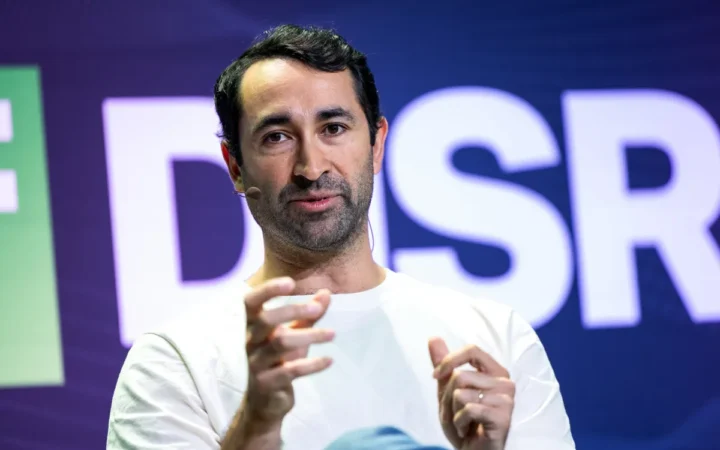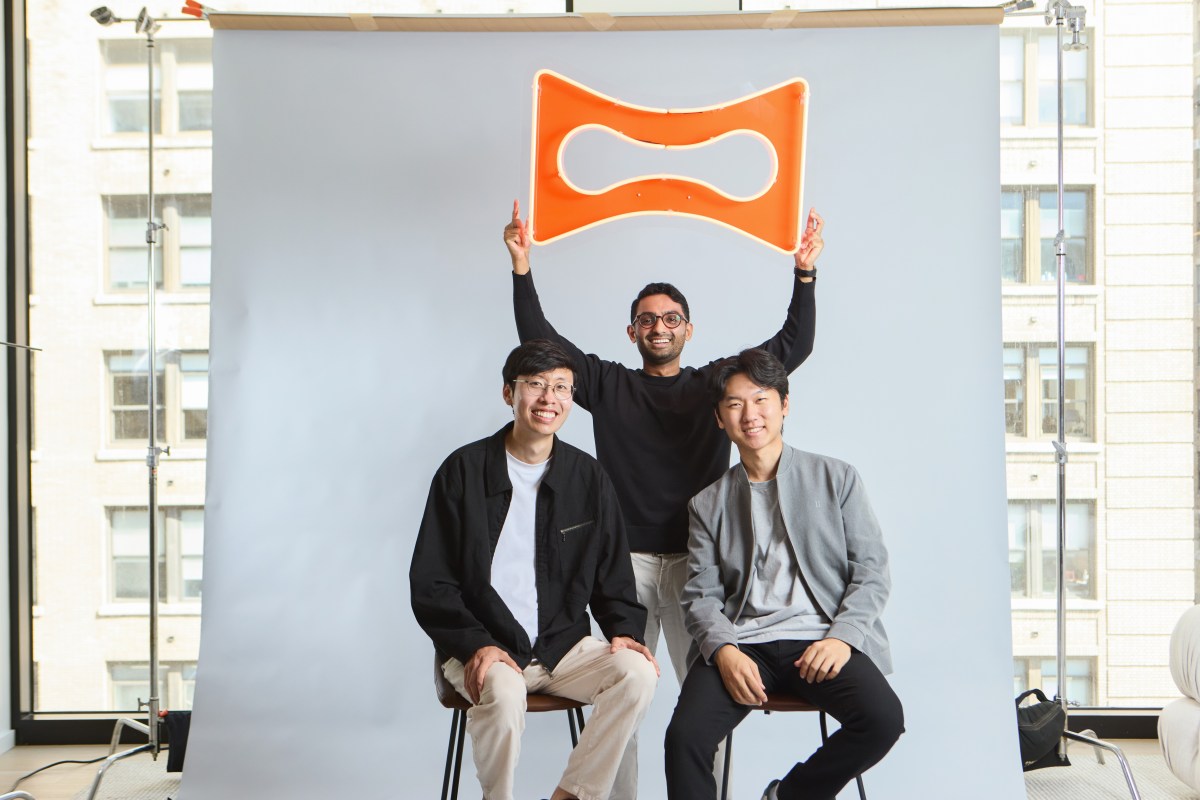
Two ex-Ramp engineers just raised $20 million for a platform called Melius, and they did it after throwing out their original idea entirely. That is not a red flag. That is the whole point. The investors did not fund the product. They funded the judgment to kill it.
Why This Matters Right Now
The Melius founders came out of Ramp, the corporate spend management company now valued at over $13 billion according to Forbes. They know what good financial software looks like from the inside. So when they decided to scrap their first product and rebuild from scratch, a $20 million check followed anyway.
This is happening in a market where AI and fintech infrastructure funding topped $97 billion globally in 2025 according to PitchBook. Every week another team raises on its first idea. The Melius team raised on something rarer: the ability to read a bad signal and act on it before burning through the whole raise.
According to TechCrunch, the Melius platform targets finance and operations workflows, which is exactly where these founders built their expertise at Ramp. The pivot was not random. It was a correction back to core competency.
The Contrarian Read on This Deal
Most people see a scrapped product as failure. I see it as the most valuable test a founding team can run.
The Melius founders did not raise $20 million and then scrap their idea. They used early capital to learn what was wrong, then raised $20 million. That order matters more than almost anything else in early company building. According to CB Insights, building something nobody wants is the single biggest reason startups fail, accounting for 35 percent of post-mortems analyzed. The Melius team paid tuition on that lesson early and cheap.
Ramp itself is a study in focus. The company grew to process over $10 billion in annualized transaction volume according to its own published disclosures by cutting features and staying sharp on expense management. The founders watched that discipline from the inside. They know what product-market fit looks like, and they know what the absence of it looks like. Most founders spend three years confusing those two things.
The $20 million raise tells you investors are not betting on the first idea. They are betting on the founders’ capacity to find the right idea. That is a fundamentally different bet, and in uncertain markets it tends to be the smarter one.
Most employees see a pivot and think instability. Owners see a pivot and think discipline. That gap is where money gets made. If you are building a product right now and watching competitors raise on hype, pay attention to which teams actually ship and adjust. Staying lean while you iterate matters. Tools like AppSumo lifetime software deals let early teams lock in infrastructure at low cost, which buys exactly the kind of runway the Melius team used to find a better direction.
What This Means For You
If you are building anything in AI or fintech right now, this story is direct instruction.
Your first idea is a test, not a contract. The market does not owe you fit because you wrote a pitch deck. Most founders hold on too long because they are afraid to look like they failed. That fear is more expensive than a pivot. The Melius founders understood this and acted. That is why they have $20 million to work with instead of a dead startup on their resume.
Your background is your edge. These founders did not go build a consumer app. They went straight back to the category they understood deeply: finance operations. Your best pivot lands closest to what you already know. Wandering into new territory without domain knowledge is a different risk. Know which one you are taking.
Investor confidence follows founder judgment. The $20 million raise after a scrapped product is not despite the pivot. It is because of it. Investors saw founders who could read a signal and act, which is the skill that matters most when conditions shift fast.
Here is what I would do in their position. Document every root cause behind why the first product failed. Not the surface reasons, the real ones. Then build the second product as a direct answer to each of those root causes. Not a tweak, a reframe. If you are telling that story publicly as you build, tools like InVideo AI video creation make it fast to turn founder lessons into short form content that builds an audience while you build the product. That audience compounds when you are ready to launch.
The Bottom Line
The Melius raise is not a story about $20 million. It is a story about what happens when founders trust their own read over their sunk cost. The check went to the people who knew when to walk away from the wrong thing. In a market full of teams burning capital defending bad ideas, that kind of clarity is worth backing at any valuation.
Frequently Asked Questions
What is Melius and what does it do?
Melius is a finance and operations workflow platform founded by former Ramp engineers. The company raised $20 million after scrapping its original product concept and redirecting toward a new approach in the enterprise finance space.
Why did the Melius founders scrap their first product?
The founders have not released full public details on the original concept. The pivot signals they identified a mismatch between what they built and what the market needed. Correcting early with seed capital is widely considered the sharper move compared to burning through a full raise on the wrong product.
What is Ramp and why does it matter here?
Ramp is a corporate spend management platform valued at over $13 billion according to Forbes. Working there gave the Melius founders direct exposure to enterprise finance workflows at scale, which feeds directly into the direction of their new platform.
Is raising money after a pivot a good sign or a bad sign?
It depends entirely on the sequence. Raising $20 million after scrapping a product tells you investors backed the founders’ judgment and speed of learning, not just a single idea. According to CB Insights, 35 percent of failed startups cite building something nobody wants as the primary cause. Catching that early is a strength, not a liability.
What should builders take away from the Melius story?
Speed of learning beats speed of shipping when you are in early discovery. Identifying the wrong direction fast and correcting it is the most important skill in company building. The Melius team has $20 million to prove it works the second time because they did not pretend it worked the first.