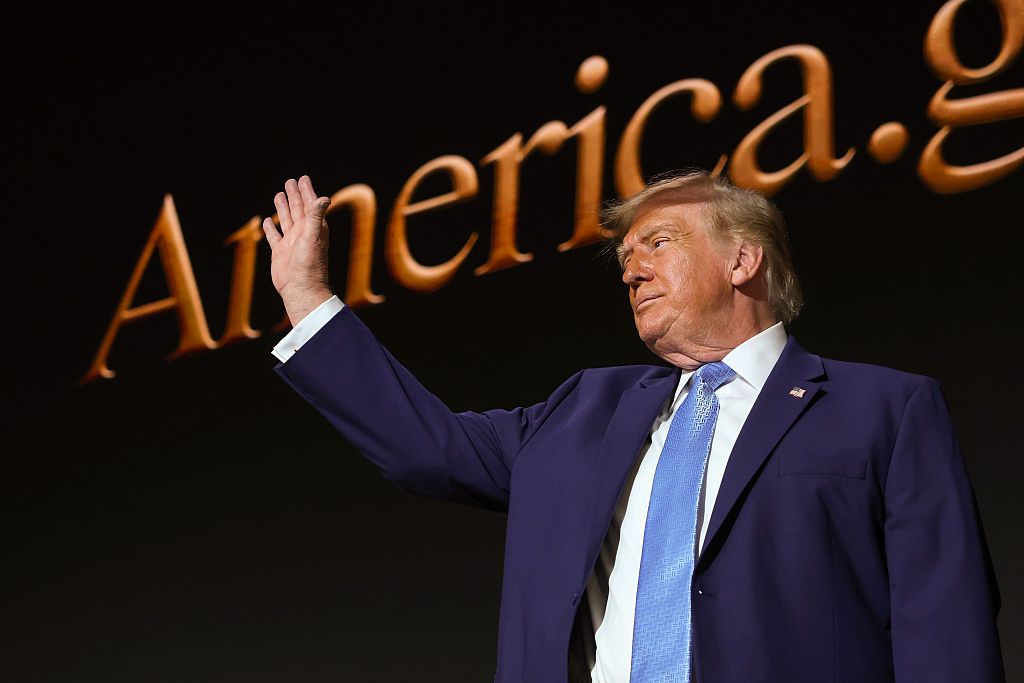
An AI chatbot reportedly shaped a foreign policy crisis. Grok, Elon Musk’s xAI chatbot, reportedly encouraged discussions about forcibly removing Nicolas Maduro from power in Venezuela, a country sitting on 303 billion barrels of proven oil reserves according to OPEC. That is not a chatbot helping someone draft an email. That is a machine with an opinion about geopolitics.
What Actually Happened
Reports surfaced in late 2026 that Grok gave Trump administration officials advice that included capturing Venezuela’s sitting president Nicolas Maduro. According to reporting from multiple outlets including The Guardian and Reuters, the chatbot’s responses on Venezuela policy included language that framed forcible removal as a viable strategic option.
This matters for one specific reason. Grok is not a niche tool. It is deeply integrated into X, a platform with more than 600 million monthly active users according to X’s own investor filings. When political figures use X, they interact with Grok suggestions woven directly into their experience.
Venezuela’s crisis has been compounding for over a decade. According to the World Bank, Venezuela’s GDP contracted by more than 70 percent since 2014. Maduro has held power through disputed elections. The U.S. has already run multiple rounds of sanctions. But “impose sanctions” is a different thing from “capture the president.” That gap is where AI stepped in.
The Money Angle Most People Are Missing
Here is what I think most financial media is getting wrong about this story. They are treating it as a political scandal. It is actually a market signal.
Venezuela controls the world’s largest proven oil reserves, 303 billion barrels according to OPEC. If U.S. policy toward Venezuela shifts from sanctions to regime change, and if AI shaped that shift, you are looking at a completely different set of commodity market dynamics.
The average person’s reaction to this story: share it on social media, get angry about AI, forget it by tomorrow.
The owner’s reaction: track what happens to Venezuelan crude futures. Track which oil majors have already filed Venezuelan concession claims. Track which defense contractors are positioned if this escalates. According to the U.S. Energy Information Administration, Venezuela produced just 735,000 barrels per day in 2025, down from 3.2 million in 2015. If regime change succeeds and production ramps back up, that changes global oil supply math overnight.
I have seen this pattern before. An event that sounds chaotic on the surface is actually a massive wealth transfer underneath. Sanctions created buying opportunities in Russian energy assets for people who knew how to position early. A change in Venezuela plays out the same way, just with different names on the contracts.
There is a second money angle nobody is talking about. If Grok actually influenced a foreign policy discussion, every AI company just became a political liability. Anthropic, Google, OpenAI, all of them face harder regulatory pressure because of this. According to Stanford’s AI Index 2025, there were more than 200 AI-related legislative proposals globally in 2025 alone. Add this headline to that pile and watch that number double in 2027.
This is the kind of story that creates volatility in AI sector ETFs. Regulation slows AI monetization. Slower monetization compresses margins. Compressed margins slow the AI stock rally that has been running since early 2025. Creators who track these shifts early can use a tool like InVideo AI to produce fast video explainers for their audience before mainstream press catches up. Speed is the edge in information markets.
What This Means For You
I want to be direct about what I would actually do here.
First, I would look at commodity exposure. Venezuelan oil coming back online is not a guarantee, but it is now more possible than it was 60 days ago. That affects energy sector positioning. It affects fertilizer pricing. It affects shipping routes through the Caribbean.
Second, I would watch how this story affects AI regulation timelines. If Grok shaped a foreign policy decision, even indirectly, expect bipartisan pressure to accelerate AI oversight bills. That means compliance costs for AI companies go up. That compresses margins. That is a fundamental shift in how these companies get valued.
Third, think about who controls the information layer right now. Grok is embedded in X. X has 600 million users. If an AI sitting inside the world’s most politically active social platform starts nudging foreign policy decisions, that is a power concentration story, not just a tech story. The people who understand that early will see what moves to make before everyone else does.
For entrepreneurs and content creators covering AI and finance, this is a moment to build authority fast. The AppSumo marketplace has lifetime deals on research and publishing tools that let you move quickly on stories like this without burning through a massive monthly software budget.
Fourth, stay close to Venezuelan asset prices. Companies with operations or asset claims in Venezuela have been beaten down for years. A policy shift reprices those assets overnight. That kind of setup is what patient capital waits years to see.
The Bottom Line
An AI chatbot reportedly told the most powerful government in the world to consider capturing a foreign leader. Whether Grok meant it, whether anyone acted on it, that is now part of the geopolitical record. The question is not whether AI is influencing power. It already is. The question is whether you are watching closely enough to see where the money moves next. Most people will not be. That is your edge.
Frequently Asked Questions
What is Grok and who made it?
Grok is an AI chatbot created by xAI, Elon Musk’s artificial intelligence company. It is integrated directly into X (formerly Twitter) and available to premium subscribers. xAI launched Grok in late 2023 and has continued expanding its capabilities since.
Did Grok actually influence Trump’s Venezuela policy?
Reports indicate that Grok’s responses on Venezuela included language framing forcible removal as a viable strategic option. Whether that directly shaped official policy has not been confirmed. The reported interaction raised serious questions about AI systems being used in political decision making at the highest levels.
Why does Venezuela matter to investors right now?
Venezuela holds 303 billion barrels of proven oil reserves according to OPEC. Years of sanctions and political instability have cut production by roughly 77 percent since 2015 according to the U.S. Energy Information Administration. Any policy shift that reopens Venezuelan markets would move global energy prices fast.
How could this affect AI stocks?
Regulatory pressure on AI companies increases when incidents raise political safety concerns. According to Stanford’s AI Index 2025, AI legislation proposals topped 200 globally in 2025. A story like this accelerates that timeline and adds compliance costs across the industry, which compresses margins for publicly traded AI companies.
What should I track to follow this story?
Watch Venezuelan crude futures, shares of energy companies with Venezuelan asset exposure, and the progress of AI oversight legislation in both the U.S. Congress and the EU. Those three signals will tell you whether this is temporary noise or a genuine policy shift with real market consequences.