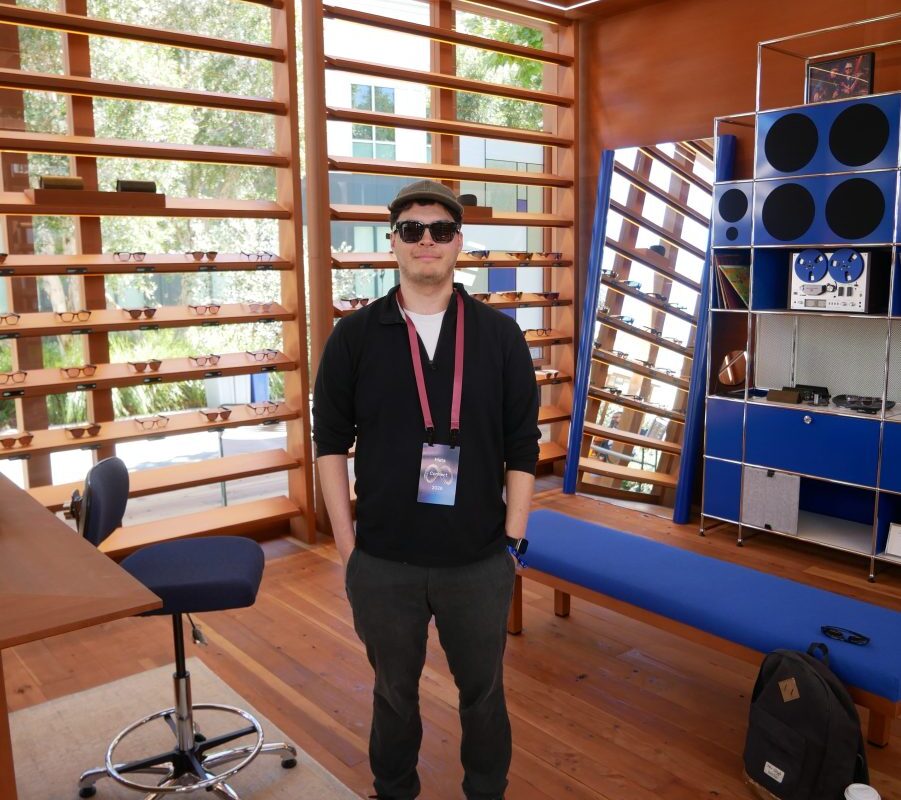
Meta’s Ray-Ban smart glasses passed 4 million units sold since their 2023 launch, according to analyst estimates from Counterpoint Research. At Meta Connect 2026, these glasses were not a side show. They were the whole show. While Apple is still fighting to move Vision Pro units at $3,500 each, Meta showed up with a $299 device that millions of people already own and actually wear.
What Happened at Meta Connect
Meta Connect is the company’s annual event where Mark Zuckerberg announces new hardware, software updates, and where Meta is betting its future. In 2026, the message was unmistakable: smart glasses are the next computing platform and Meta is already there.
The company unveiled a new version of the Ray-Ban Meta glasses with significantly upgraded AI capabilities. The built-in Meta AI assistant can now answer questions about what you’re looking at in real time. Ask it to identify objects, read signs in other languages, or narrate directions without touching your phone.
According to Meta’s Connect keynote, over 40 new features have shipped to the Ray-Ban Meta glasses since launch. Live translation now works across multiple languages. Hands-free calling works without pairing a phone. The glasses remember context across conversations. This is not a prototype. This is a product that shipped, sold millions of units, and keeps getting better every quarter.
The global smart glasses market was valued at $1.8 billion in 2024, according to Grand View Research, and is on track to reach $10.8 billion by 2030. Meta is not waiting for that curve. They’re pulling it forward.
Why Most People Are Missing the Real Story
Here’s what I see that most people don’t: Meta Connect 2026 was not a tech event. It was a business model announcement.
Think about how the money actually works. Apple Vision Pro launched at $3,499. It sold roughly 500,000 units in its first year, according to analysts at Display Supply Chain Consultants. That’s $1.75 billion in hardware revenue for a device most people tried once and put in a drawer.
Meta is playing a completely different game. Ray-Ban Meta glasses start at $299. At 4 million units, that’s already over $1 billion in hardware. But hardware is not where Meta makes money. Meta makes money from advertising, from the data these glasses generate, and from the AI assistant that now lives on your face for hours every day.
This is the wealth transfer most people will miss. The people who understand this will position themselves ahead of it. The people who don’t will watch someone else build the business on top of what just happened at this event.
Creators are already figuring it out. When you can livestream hands-free, shoot first-person video without holding a phone, and layer AI captions over footage in real time, the content creation game shifts completely. Tools like InVideo AI are built for exactly this kind of shift. You film something fast and raw from your glasses, then use AI video creation to turn it into polished content in minutes. That’s a real business model for people who move now rather than watching from the sidelines.
According to Statista, the global creator economy was worth $250 billion in 2023. Smart glasses that make filming effortless will accelerate that number faster than most forecasts predict. The barrier to quality content just dropped again.
What This Means for You
I’ll be direct. If you’re building a media brand, a content business, or any digital product in 2026, you need to pay attention to what just happened at Meta Connect.
First, buy the device. At $299, a pair of Ray-Ban Meta glasses is not a luxury purchase. It’s a research investment. You need to understand the use case from the inside before you can build a business around it.
Second, rethink your content format. First-person, real-world, AI-assisted content is going to dominate the next two years. People wearing these glasses will film their commute, their workday, their expertise in action. That content feels authentic in a way that studio video does not. Start experimenting with that format now, before everyone else does.
Third, look at the software angle. Meta is opening its platform to developers. If you build apps or tools for creators, this space is early and wide open. AppSumo features new AI-powered creator tools every week, many of them purpose-built for exactly this kind of wearable-first content workflow. Get in before the category gets crowded.
Fourth, think about advertising shifts. As adoption grows, Meta will build new ad surfaces tied to the glasses. Businesses that understand how to reach people through wearable AI will have a head start over businesses still optimizing for phone screens.
The question is not whether smart glasses will change content creation and commerce. They already are. The question is whether you’ll move before or after it becomes obvious to everyone else.
The Bottom Line
Meta Connect 2026 confirmed what I’ve been watching build for three years. Smart glasses are not a niche product. They’re becoming a mainstream device, and Meta is the company that built the platform millions are already using. At $299, with AI baked in, and with sales momentum that Apple Vision Pro cannot match, Ray-Ban Meta glasses are the most underrated business opportunity in tech right now. The market will figure this out eventually. You don’t have to wait for the market.
Frequently Asked Questions
What are Meta smart glasses and what can they do in 2026?
Meta smart glasses are the Ray-Ban Meta collection, built with EssilorLuxottica. They look like regular glasses but include a built-in camera, speakers, microphone, and AI assistant. After the Meta Connect 2026 updates, they support real-time translation, hands-free calling, and AI-powered visual assistance.
How many Meta smart glasses have been sold?
Analyst estimates from Counterpoint Research place total Ray-Ban Meta sales above 4 million units since the 2023 launch. Meta Connect 2026 signaled continued strong investment in the product line, with new hardware and software features announced for later in the year.
How do Meta smart glasses compare to Apple Vision Pro?
They’re completely different bets on the future of computing. Apple Vision Pro is a $3,499 headset built for immersive, sit-down experiences. Ray-Ban Meta glasses are $299 and designed to be worn all day without anyone noticing. Meta is betting on wearable AI that fits into your life rather than replacing it.
What does Meta Connect 2026 tell us about where AI is heading?
The event made clear that the next phase of AI is ambient and wearable, not just on a screen. When AI can see what you see and respond in real time, the use cases shift from productivity tools to constant life assistance. Most people haven’t priced that shift into their business models yet.
Is it a good time to build products for the Meta smart glasses platform?
Yes, and early is always better in platform businesses. Meta is actively investing in developer tools and third-party integrations following Connect 2026. The competition is thin, the user base is growing, and the category is still being defined. That’s exactly the window you want to be building in.