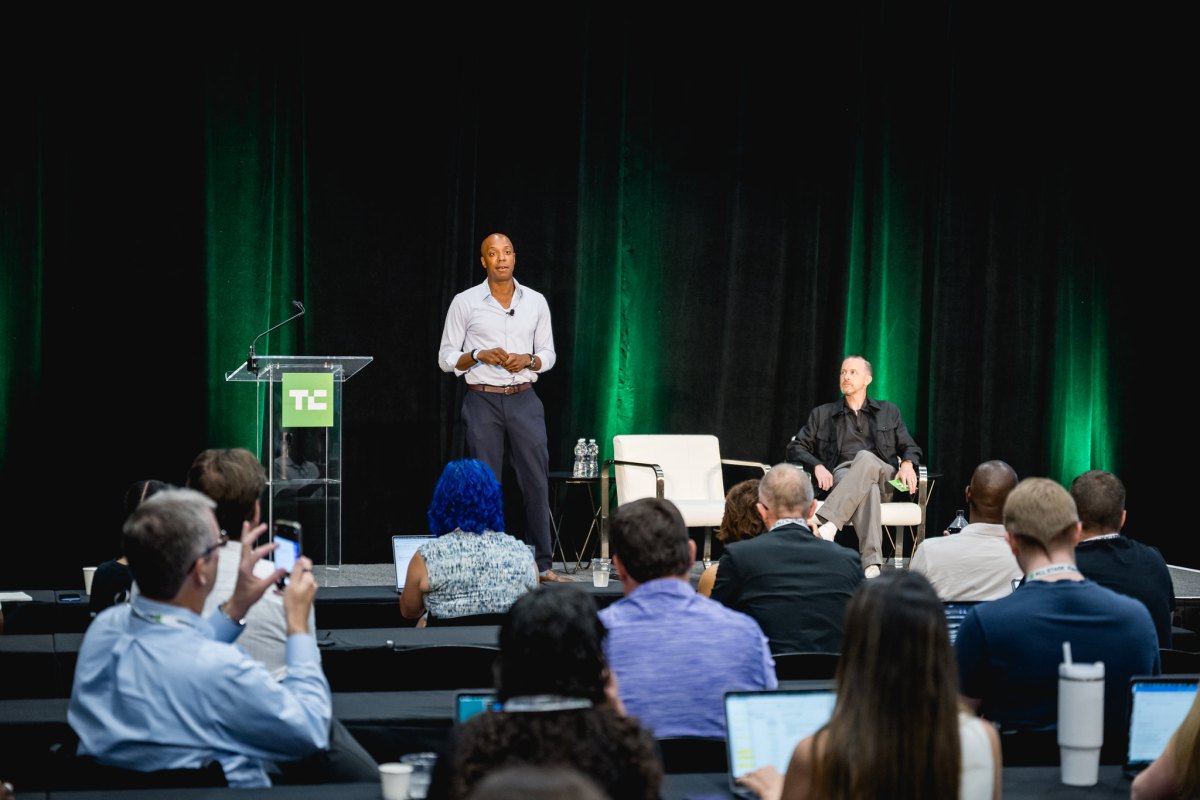
Over 2,000 founders will show up to TechCrunch Founder Summit 2026. Most will network, collect badges, and go home inspired. A small group will leave with real capital connections and deals already in motion. The difference between those two groups isn’t talent. It’s knowing exactly what to walk into and why.
Why This Summit Is Different in 2026
TechCrunch has run founder events for over a decade. But the 2026 edition lands at a specific inflection point. Venture funding hit $285 billion globally in 2025, according to Crunchbase, but the distribution of that capital got more concentrated. The top 10% of funded startups captured 67% of all dollars raised, according to PitchBook. That means the conference floor is more divided than ever. You’re either in the room where deals happen or you’re watching from the hallway.
The 2026 summit is focusing heavily on AI infrastructure, fintech, and climate tech. These three categories pulled in over $90 billion combined last year, according to CB Insights. If your startup doesn’t touch one of them, you need a reason you belong in that room.
The Contrarian Case for Going
Most founders treat conferences as marketing events. Show up, hand out cards, pitch whoever will listen. That is the wrong frame entirely.
The founders who build real wealth from events like this are not pitching. They’re listening for capital movement. When a partner from a top VC firm says they’re interested in “AI tooling for regulated industries,” that’s not small talk. That’s a public signal about where their fund is deploying next. I pay close attention to those signals because they tell me which problems are getting funded right now, not six months from now.
There’s also a recruitment angle most founders ignore. Skilled engineers and operators show up to these events too. According to LinkedIn, 41% of candidates who switched jobs in 2025 said an in person connection was the first touchpoint in their hiring process. Your future CTO might be in the room. Most founders are too busy pitching investors to notice.
The fintech sessions specifically are worth your full attention in 2026. The regulatory environment for payment processing, lending, and embedded finance shifted significantly in the last 18 months. Banks and fintechs are now competing for the same business customer. The winner is whoever owns the financial interface. According to Andreessen Horowitz, the embedded finance market is expected to exceed $7 trillion in transaction volume by 2030. That is not a niche. That is the next banking system being built in real time.
If you’re building anything with payments, cards, or company spending, the infrastructure conversation is happening at this summit. Tools like Wallester let founders spin up virtual and physical business cards with real controls built in, without waiting on a traditional bank relationship. That kind of financial infrastructure is exactly what the fintech track is focused on this year.
What I Would Do at Founder Summit 2026
Here’s my honest playbook if I were attending.
First, I’d skip the main stage for 80% of the keynotes. The real conversations happen in hallways, breakout rooms, and dinners after the official sessions end. Keynotes are content. Relationships are capital.
Second, I’d build a short list of 10 people I want to meet before I arrive. Not a vague list. Specific names. A partner at a firm that just announced a new fintech fund. A founder three steps ahead of me who has already solved a problem I’m about to face. A journalist who covers my sector and shapes how investors think about it.
Third, I’d get my financial house in order before I walk in. If an investor asks about your burn rate, your payroll structure, or your cap table and you fumble the answer, that relationship is over. Make sure your numbers are clean. If you’re still running payroll manually or through a system that doesn’t give you real time visibility, fix that before the summit. Gusto handles payroll, benefits, and compliance in one place, and it takes about an hour to set up. You should not walk into a room full of investors with messy back office operations.
Fourth, focus your pitch on the problem, not the product. Investors at this stage have seen a thousand demos. What they haven’t seen is a founder who can articulate the market failure with precision and explain exactly why their team is the right group to fix it.
Fifth, follow up within 24 hours of every meaningful conversation. Not a generic “great to meet you” email. A specific message that references one thing they said and connects it to something useful for them.
The Bottom Line
TechCrunch Founder Summit 2026 is not a shortcut to funding. It’s a signal gathering operation for founders who are paying attention. The investors in that room are already deciding who gets capital this quarter. Your job is to get into their mental model before they leave the building. Come prepared, come specific, and come ready to listen more than you talk. The founders who do that will have a very different year than the ones who showed up hoping to get lucky.
Frequently Asked Questions
What is TechCrunch Founder Summit 2026?
TechCrunch Founder Summit 2026 is an annual gathering of startup founders, investors, and operators focused on early stage and growth stage companies. The event covers fundraising, product, hiring, and go to market strategy across sectors including AI, fintech, and climate tech.
Who should attend TechCrunch Founder Summit 2026?
Founders at the preseed through Series B stage get the most out of this event. Operators, investors, and journalists also attend in large numbers, making it one of the better rooms for signal gathering in the current funding environment.
How do I get the most out of the fintech sessions at Founder Summit?
Focus on the deal flow conversations, not just the panel content. The fintech track in 2026 is covering embedded finance, AI in lending, and regulatory shifts in payments. Come with specific questions about how investors are thinking about defensibility and compliance risk.
Is TechCrunch Founder Summit 2026 worth the ticket price?
Only if you treat it like a business development trip, not a conference. Set specific goals before you go. Measure the outcome by meetings booked and relationships started, not by how many sessions you attended.
What topics will be covered at TechCrunch Founder Summit 2026?
The 2026 agenda is built around AI infrastructure, fintech regulation, climate tech, hiring in a tight talent market, and fundraising strategy in a more selective VC environment. According to TechCrunch, the summit also includes dedicated sessions for underrepresented founders and first time fundraisers.