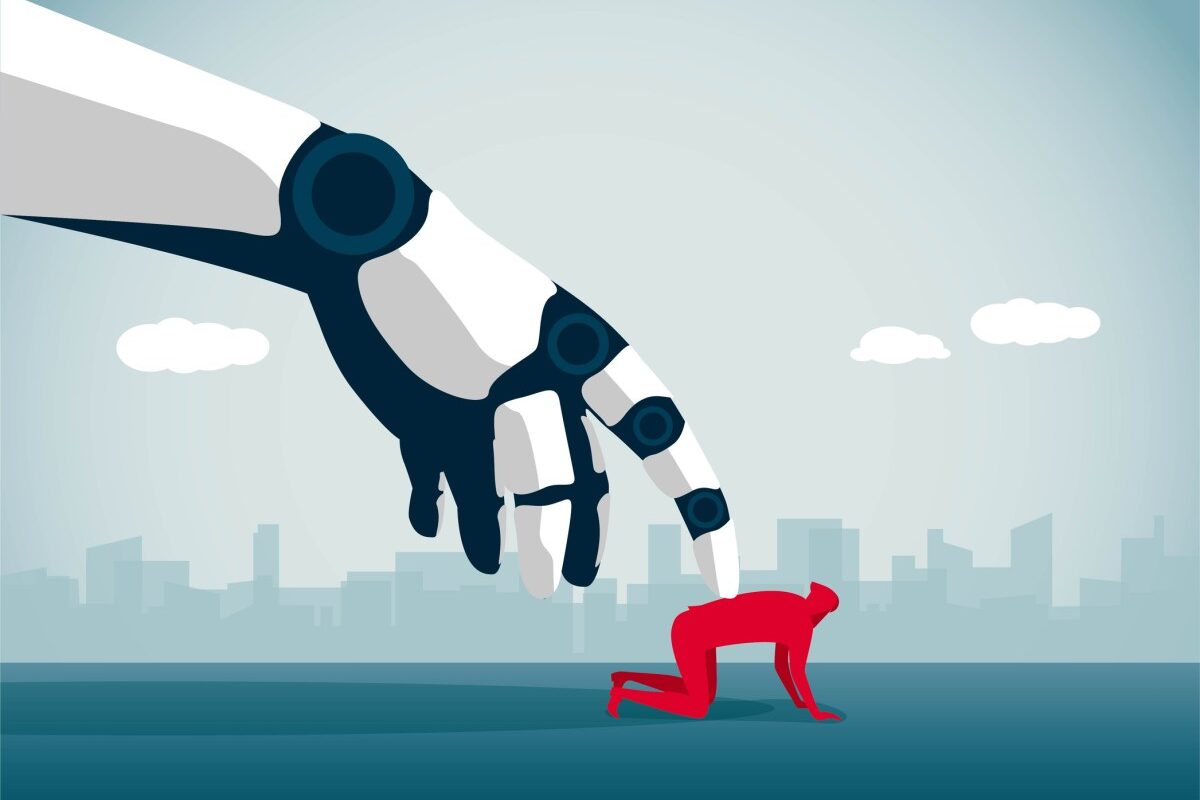
Every few months, the same AI executives who are racing to build the most powerful systems on earth stop to warn you those systems might destroy civilization. In 2026, those warnings have hit a fever pitch. But here is what nobody in the financial press is saying: the doom warnings are a business strategy, not a public service.
What Is Actually Happening Right Now
The AI safety alarm cycle has accelerated in 2026. Multiple frontier labs have issued public statements warning that their own models could pose “extinction level” risks without proper oversight. Prominent researchers have resigned with open letters. Congressional hearings have filled C-SPAN with grave predictions about autonomous AI agents acting without human control.
According to the AI Safety Institute, the number of formal “catastrophic risk” disclosures from major AI labs tripled between 2024 and 2026. According to Goldman Sachs research, AI investment globally crossed $700 billion in committed capital through 2026. According to the International Monetary Fund, AI-related job displacement is projected to affect 40 percent of global employment categories within ten years.
Those are real numbers. The fear is real. But the people generating the fear are not disinterested scientists. They are founders, board members, and investors sitting on billions in equity in the thing they say might kill us all.
That is the story worth reading.
The Regulatory Moat Nobody Wants to Name
Here is the contrarian read, and I think it is the right one.
When a company with $80 billion in funding tells Congress that AI needs strict safety audits before deployment, who do you think is best positioned to pass those audits? The well-funded lab with a full safety team, government relationships, and years of compliance infrastructure. Not the startup in a garage. Not open source developers. Not international competitors who do not answer to U.S. regulators.
This is regulatory capture dressed up as altruism. It happens in every major industry. Banks did it after 2008. Pharma does it with FDA pathways. Big tech did it with privacy law. The playbook is always the same: get scared, get regulated, get protected.
According to OpenSecrets, AI and tech companies spent over $120 million on federal lobbying in 2025 alone, a record high. That money is not going toward stopping AI. It is going toward shaping the rules about who gets to build AI legally.
The average person hears “AI doom” and freezes. They do not know what to do. They wait for someone to fix it. That is the poor mindset at work. Not poor as in broke. Poor as in passive.
The sharp operator asks a different question: if regulation is coming, which companies win when it lands? The answer is almost always the incumbents who helped write the rules.
If you are thinking about where capital is going in this environment, understanding the regulatory direction matters more than understanding the technology. Smart money follows the moat. Right now, the moat is being built in Washington, not in a lab.
And if economic uncertainty around AI is making you rethink your personal finances, this is a good time to compare your borrowing options before rates shift. A tool like SuperMoney loan comparison lets you see multiple lenders side by side so you are not stuck with whatever your bank offers.
What This Means for You
Let me be direct about what I would do here, and what I would not do.
I would not panic sell tech stocks because someone at a frontier lab wrote a scary blog post. That is exactly what they want passive investors to do. Volatility creates buying opportunities for people who understand the underlying game.
I would pay attention to which companies are getting government contracts tied to AI safety infrastructure. The Defense Department, the State Department, and regulatory agencies are all building AI oversight capacity right now. The vendors who win those contracts will print money regardless of whether AI actually destroys anything.
I would also think about the second order effects on identity and data security. AI-powered fraud is already accelerating. According to the Federal Trade Commission, reported identity theft losses in 2025 crossed $12 billion for the first time. That number will not go down as AI gets better at impersonation. Monitoring your credit and identity is not paranoia at this point. It is basic financial hygiene. A service like IdentityIQ credit monitoring gives you real-time alerts so you catch problems before they compound.
And I would get informed instead of just alarmed. Read the actual papers these researchers publish. Read the financial disclosures from the labs making the warnings. Follow the money. The people warning about doom are not all lying. Some genuinely believe it. But the timing and framing of those warnings almost always tracks with a fundraising round, a regulatory hearing, or a competitor gaining ground.
That pattern is information. Use it.
The Bottom Line
AI doom warnings are not wrong. They are incomplete. The risk is real and the money behind the risk is realer. The companies shouting the loudest about safety are positioning for a world where only they can operate at scale. Average people hear doom and do nothing. Smart operators map the regulatory terrain and move before the rules lock in. The choice between those two responses is the only financial decision that actually matters right now.
Frequently Asked Questions
Are AI doom warnings based on real science or just hype?
Both. Legitimate researchers at places like Oxford’s Future of Humanity Institute and the Machine Intelligence Research Institute have published peer-reviewed work on catastrophic AI risk for over a decade. But the timing of public warnings from AI companies almost always lines up with commercial or political events, which means the framing serves multiple purposes at once.
What does AI regulation actually mean for everyday investors?
Regulation tends to concentrate markets. Smaller players get squeezed out and well-funded incumbents capture market share. According to PitchBook, over 60 percent of AI venture funding in 2025 went to companies with existing government or enterprise contracts. That concentration will likely increase under stricter licensing regimes.
Should I be worried about AI taking my job?
Worried, no. Prepared, yes. The IMF projection of 40 percent job category disruption does not mean 40 percent unemployment overnight. It means roles shift and the people who adapt early earn more than the people who wait. The practical move is to learn how to direct AI tools in your field rather than compete with them.
Why do AI companies warn about their own products being dangerous?
Part of it is genuine belief among researchers. Part of it is liability management. And a significant part is competitive strategy. A company that frames itself as the “responsible” builder gets preferential treatment in government procurement, partnership deals, and public trust, all of which translate directly into revenue.
What is the primary keyword topic here and why does it matter for finance readers?
The core topic is AI industry warnings and their financial implications. This matters for finance readers because the regulatory outcomes of the current AI safety debate will determine which companies can operate at scale, which sectors face disruption, and where the next decade of capital concentration lands. That is a portfolio question, not just a policy question.