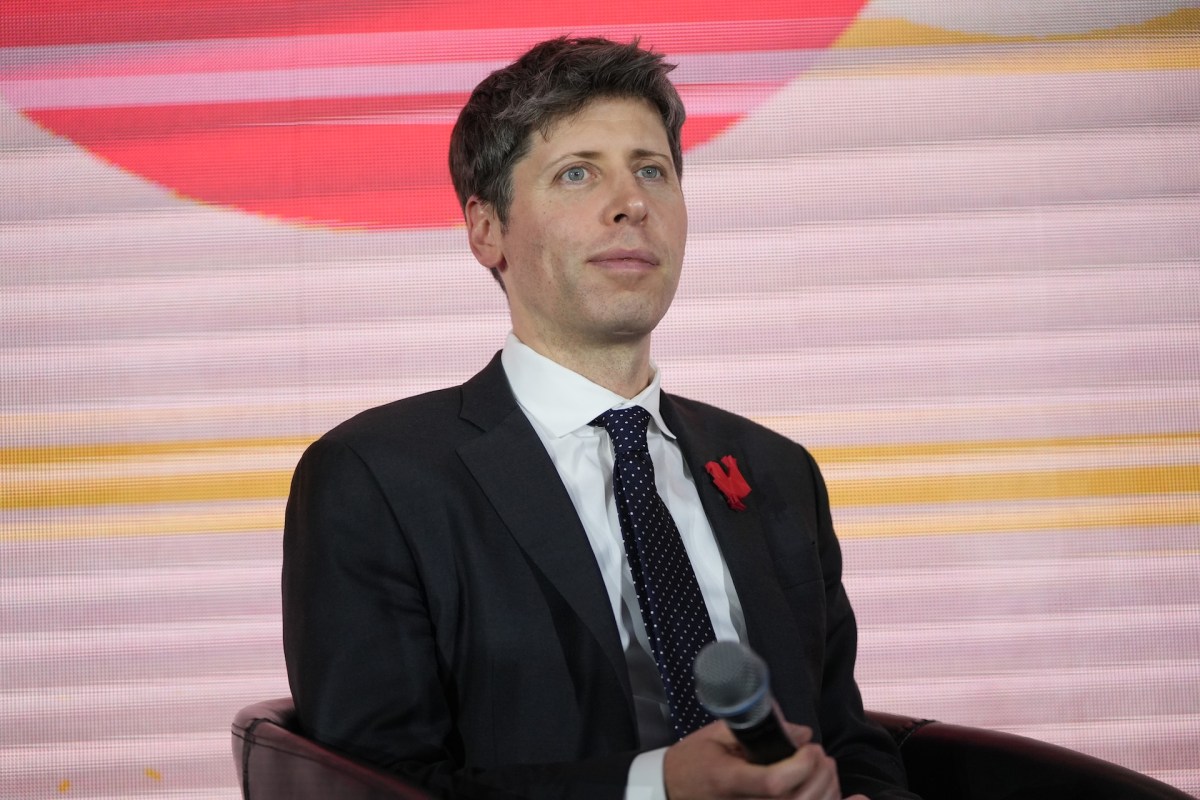
Sam Altman just said a 2026 OpenAI IPO would be “ill-advised.” That one word is costing ordinary investors access to the biggest private wealth event in tech history. OpenAI closed a $40 billion funding round at a $300 billion valuation in early 2026, according to The Wall Street Journal. The insiders are sitting on gains you will never see.
What Altman Said and Why It Matters Right Now
Altman did not give a firm IPO date. He did not promise 2027. He said 2026 is “ill-advised” and left the door open for another year of private ownership, another year of select investors collecting equity while the rest of us watch from the outside.
This statement lands right after OpenAI finished converting from a nonprofit to a for-profit public benefit corporation. That structural change was widely read as the prerequisite for going public. It was supposed to clear the path. Altman just put a cone in the road.
OpenAI raised $6.6 billion in late 2024 at a $157 billion valuation, according to The New York Times. Then it raised $40 billion at $300 billion just months later. The private valuation nearly doubled in under two years. Every dollar of that gain went to people who were already in. Not to you.
According to Goldman Sachs research, global AI investment surpassed $600 billion in 2025 and is still climbing. OpenAI sits at the center of that capital flow. The longer it stays private, the more wealth concentrates in fewer hands.
The Real Reason the IPO Keeps Getting Pushed
I want to be direct about something most financial coverage won’t say. The IPO delay is not caution. It’s a strategic power move.
Public companies face quarterly earnings pressure. They face analysts demanding answers on every product bet. They face shareholders who want returns now, not in five years. Private companies face none of that. Sam Altman can run OpenAI exactly how he wants, fund the bets he wants, and answer to a small group of friendly investors instead of a market full of strangers.
When you’re already raising $40 billion in a private round, the “we need public capital” argument disappears. The only real reason to go public is liquidity for early investors. And they can wait. They’re already rich.
Look at the Airbnb pattern. According to CNBC, Airbnb priced its IPO at $68 per share in December 2020 and closed its first day at $144.71. Insiders doubled before most retail investors even got their first fill. OpenAI at IPO will almost certainly open at a premium to its last private valuation. Insiders win on the way in and on the pop. Retail investors chase the plateau.
According to The Information, OpenAI was tracking toward $3.4 billion in revenue in 2024 with projections above $11 billion for 2025. If those numbers held or grew, we could be looking at $20 billion or more in annual revenue before any S-1 ever gets filed. Every month it stays private, the IPO valuation ceiling rises. Altman isn’t being cautious. He’s being patient. And patience in private markets pays people who were already at the table.
If you’re a builder or creator trying to stay visible while this story runs, InVideo AI is worth a look. It lets you turn breaking news into polished video content fast, which matters when attention cycles in AI move this quickly.
What I Would Do Right Now
You can’t buy OpenAI stock today. Accept it. The question is what you do with that fact.
First, look at public companies with direct exposure. Microsoft is the most obvious play. According to Microsoft’s investor filings, the company holds roughly a 49 percent economic interest in OpenAI’s profits. When OpenAI earns, Microsoft earns. That position trades on the Nasdaq every day.
Second, look at the infrastructure angle. The AI buildout requires chips, data centers, and massive amounts of power. Nvidia, TSMC, and the utilities supplying AI data centers are all public beneficiaries you can own today without waiting for an IPO that keeps moving.
Third, if you’re running a small business or building something, stop waiting on access to trillion-dollar AI companies and start using the tools available right now. AppSumo regularly features AI software at lifetime prices that would normally run thousands per year. Getting capable AI tools into your workflow today is the practical version of investing in the sector.
Fourth, when the OpenAI S-1 actually drops, read it before you buy anything. The filing will reveal more about the real financials than five years of press coverage. Know the actual numbers before the hype peaks.
The Bottom Line
Altman might be right that a 2026 IPO is “ill-advised.” He just isn’t saying the actual reason. The insiders aren’t done accumulating. The valuation isn’t done climbing. The people with access want more time to win before the public gets a seat at the table. When the IPO finally comes, get in before the narrative peaks or wait for the pop to cool. There is no middle ground that works in your favor.
Frequently Asked Questions
When will OpenAI go public?
There is no confirmed date. Sam Altman said a 2026 IPO would be “ill-advised,” pointing toward 2027 at the earliest. OpenAI completed its nonprofit to for-profit restructuring in 2026, which was seen as a necessary step before any public offering.
What is OpenAI’s current valuation?
OpenAI closed a $40 billion funding round at a $300 billion private valuation in early 2026, according to The Wall Street Journal. That makes it one of the most valuable private companies ever. The IPO price will likely carry a premium above that figure.
Can retail investors buy OpenAI stock today?
No. OpenAI is still privately held. Retail investors can gain indirect exposure through Microsoft, which holds roughly a 49 percent economic interest in OpenAI’s profits according to Microsoft’s investor filings. Public AI infrastructure companies like Nvidia offer another indirect route.
Why did Sam Altman say the OpenAI IPO is ill-advised in 2026?
Altman cited current conditions without specifics. Staying private also gives OpenAI full operational freedom. Public companies face quarterly scrutiny and shareholder pressure that limits long-term bets. With private capital readily available at massive scale, there’s no financial urgency to go public.
What happens to OpenAI’s valuation at IPO?
Historical patterns suggest strong first-day demand with a premium above the last private valuation. Airbnb nearly doubled on its IPO day according to CNBC. OpenAI will likely see similar dynamics given its profile, which is exactly why timing your entry matters more than just getting in on day one.