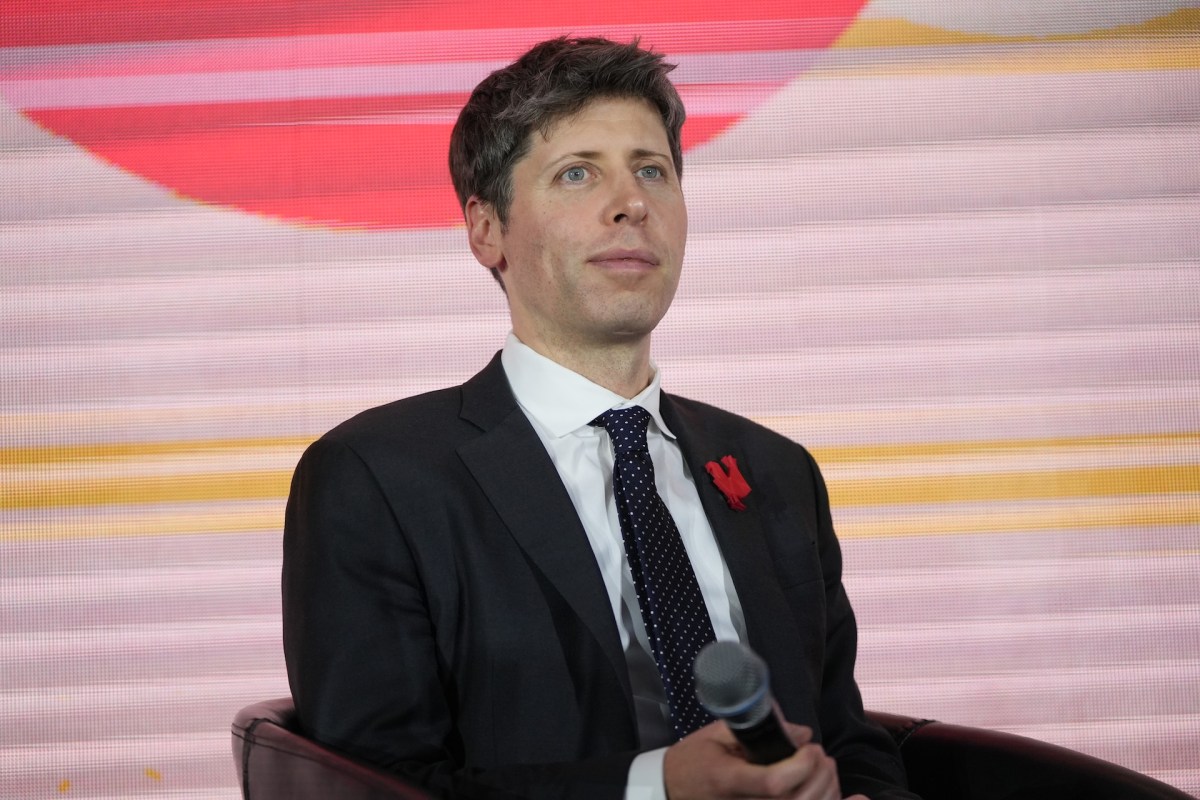
OpenAI is valued at over $300 billion and Sam Altman just told the world going public this year would be “ill advised.” The richest company in AI history is keeping its doors closed to ordinary investors. That’s not a scheduling problem. That’s a choice. And it tells you exactly what’s really going on inside the most powerful AI company on the planet.
What Just Happened
In a recent public statement, OpenAI CEO Sam Altman said going public in 2026 would be premature. He gave no hard timeline. He just said it wouldn’t be wise right now. That statement came after OpenAI closed a $40 billion funding round at a $300 billion valuation in early 2025, according to The Wall Street Journal. The company has been converting from a nonprofit structure to a capped profit model, a process that involves regulatory review and significant legal restructuring.
OpenAI’s revenue has been climbing fast. According to The Information, the company was on pace to generate roughly $12.7 billion in annual revenue heading into 2025, up from about $3.4 billion in 2024. But revenue is only one side of the ledger. OpenAI reportedly spends billions each year on compute, talent, and research. The gap between what comes in and what goes out remains enormous.
Going public means opening that gap to public scrutiny. Quarterly reports. Audited financials. Analyst calls picking apart every line item. And right now, Altman apparently doesn’t want that.
The Real Reason This Should Change How You Think
Here’s my read on this. When a company worth $300 billion says it’s not ready for public markets, there are only a few possible explanations. Either the finances look worse than the valuation suggests. Or the governance structure isn’t clean enough for SEC filings. Or the founders know the stock would drop the moment real analysts got their hands on the books.
None of those explanations should make you feel good about rushing to buy OpenAI shares the day they eventually do list.
This is exactly how rich investors think differently from the crowd. Most people hear “delayed IPO” and feel left out. They assume the company is too successful to let them in. Smart operators hear “delayed IPO” and ask: what problems are they still solving before they can let the public see the numbers? That question is worth more than any prospectus.
According to PitchBook, the average tech IPO in 2025 underperformed its final private valuation by 18% in the first six months of trading. Investors who bought at the IPO price, not the private round price, often still got hurt. The pattern is consistent. By the time a hot private company lets you buy shares, the biggest gains are already gone.
OpenAI’s situation is even more extreme. The $300 billion valuation was set by sophisticated institutional investors with full access to internal financials. The public market price will be set by retail sentiment and media hype. Those two numbers rarely line up in your favor if you’re buying on launch day.
I’ve watched this play out before. Uber. Lyft. WeWork nearly broke the entire framework of startup valuations when it tried to go public. The hype machine runs hot, the insiders cash out, and the retail buyer is left holding the bag. OpenAI won’t be different. The only question is the timeline.
If you want to participate in AI wealth creation, the smarter move is to build on top of these tools now, while costs are low and competition is still forming. Platforms like AppSumo offer AI software at lifetime prices before the market matures and monthly subscription fees start climbing. That’s how you get positioned in AI without waiting for an IPO that may never arrive at a fair retail price.
What This Means for You Right Now
You can’t buy OpenAI stock today. But the question you should actually be asking is whether that matters for your financial position at all.
Here’s what I would do instead of waiting around for an OpenAI IPO.
First, use the tools. OpenAI’s products are available to anyone with an internet connection. If you’re building a business, you have access to the same AI that billion dollar companies use. That access is the real asset. The stock certificate is not.
Second, build something on top of it. The biggest winners in any platform shift are the builders, not the shareholders. Think about the people who built apps on the early App Store versus the people who just bought Apple stock. Both did fine, but the builders captured value that no stock position could match.
If you’re creating content or running a media operation, tools like InVideo AI let you produce video content at scale without a full production team. That’s a real business advantage you can act on today. No IPO approval required.
Third, watch the Microsoft angle. Microsoft holds roughly 49% of OpenAI’s profits through its investment structure, according to Bloomberg. If you want public market exposure to OpenAI’s upside, Microsoft is already your vehicle. It’s not clean exposure, but it’s real and available right now.
Fourth, stop romanticizing the IPO. The moment OpenAI is available on a public exchange, it will be priced for perfection. That’s historically the worst time to buy. The time to get positioned was years ago. The next best time is to build your own AI powered business before everyone else catches up.
The Bottom Line
Sam Altman calling a 2026 IPO “ill advised” is the most honest signal he’s sent publicly in months. Public markets would demand answers he’s not ready to give. Retail investors would be buying at peak hype while insiders who set the $300 billion valuation sell into that demand. The smart move isn’t to wait for the IPO. It’s to stop waiting for permission and start building wealth in AI right now, with the tools that are already in your hands.
Frequently Asked Questions
When will OpenAI go public?
Sam Altman has not given a specific IPO timeline. He called going public in 2026 “ill advised,” which suggests 2027 at the very earliest. OpenAI still needs to complete its nonprofit to capped profit restructuring before any public offering can happen.
What is OpenAI’s current valuation?
OpenAI closed a $40 billion funding round at a $300 billion valuation in early 2025, according to The Wall Street Journal. That number was set by private institutional investors with access to full financials and may not reflect what public retail markets would actually pay.
Can ordinary investors buy OpenAI stock today?
Not directly. OpenAI is still a private company. Microsoft, which holds a significant share of OpenAI profits through its investment agreement, is the closest public market option. Some secondary market platforms claim to offer pre IPO access, but those come with serious liquidity risks and limited transparency.
Why is Sam Altman against an OpenAI IPO in 2026?
Altman hasn’t spelled out the full reasoning publicly. The most likely factors are the ongoing legal complexity of the nonprofit to for profit conversion, a high cash burn rate relative to current revenue, and a governance structure that isn’t yet ready for the scrutiny that comes with being a public company.
How much revenue does OpenAI make?
According to The Information, OpenAI was on pace for roughly $12.7 billion in annual revenue heading into 2025. Despite that growth, the company’s compute and talent costs remain extremely high. Profitability at scale is still not the primary story investors would be buying into.