Here is the article: — “`html
Garry Tan Says U.S. Labs Must Distill Frontier AI Now
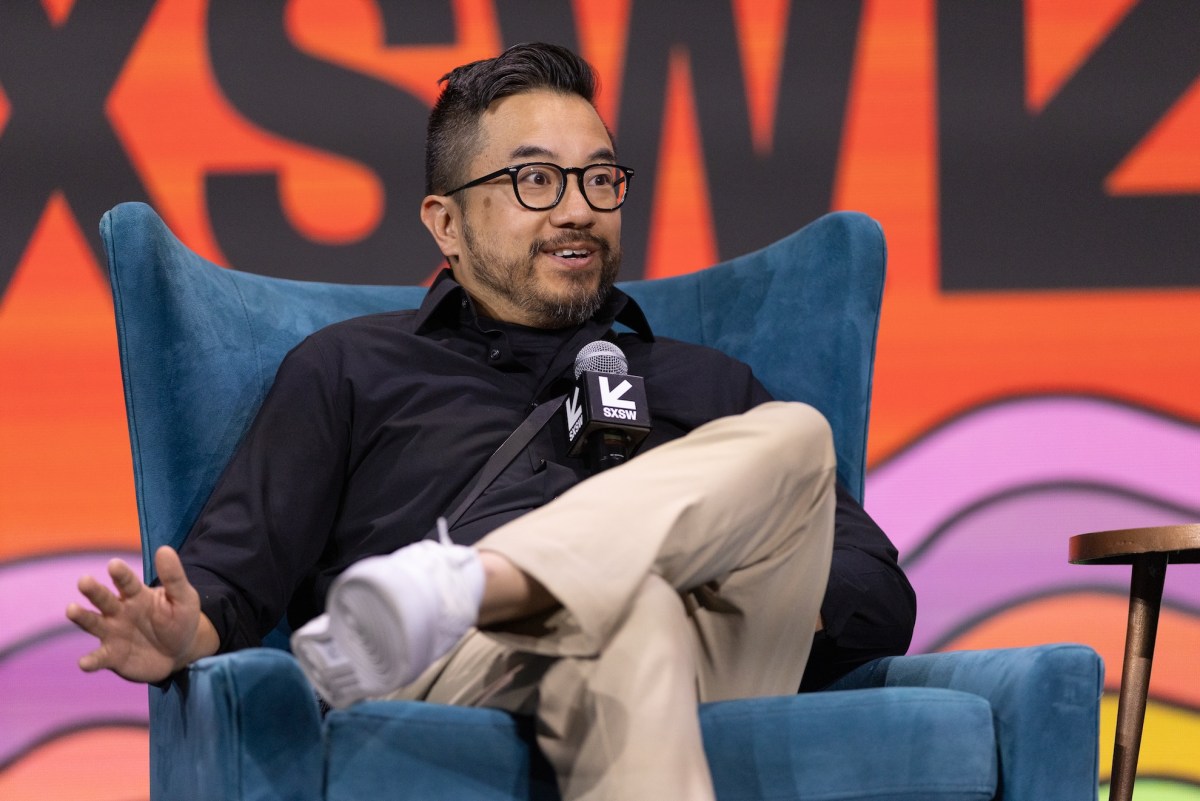
Y Combinator’s Garry Tan is saying something the AI industry doesn’t want to hear. U.S. open-weight labs need to start distilling frontier models and releasing the weights publicly. China already figured this out. DeepSeek’s R1 matched GPT-4 class performance at a reported training cost of under $6 million, according to DeepSeek’s own technical report. While U.S. labs lock their best models behind APIs, the open-weight race is being run by someone else.
Why This Conversation Is Happening Right Now
Distillation is a specific technique. You take a big, expensive frontier model and use its outputs as training data for a smaller, faster, cheaper model. The smaller model learns to mimic the larger one. You get most of the performance at a fraction of the cost.
China figured this out first at scale. When DeepSeek dropped R1 in early 2025, it sent shockwaves through Silicon Valley. According to DeepSeek’s technical disclosures, the model performed near the level of OpenAI’s o1 on reasoning tasks, at a training budget that made U.S. labs look inefficient. Suddenly “closed and expensive” stopped looking like a competitive advantage.
Tan’s position, shared publicly on X and in interviews, is that U.S. open-weight labs should do the same thing. Take what the frontier labs have built, distill it, and put it out in the open. This keeps American-trained models in the hands of American builders instead of ceding open-weight AI to foreign competitors.
According to Hugging Face’s 2025 platform data, there are now over 1.2 million models hosted on their platform. The majority are fine-tuned or distilled from existing open-weight foundations. The market is voting with its feet. Open wins at scale.
The Real Argument Behind the Policy Push
Here’s what most tech journalists miss about this debate. It’s not about ideology. It’s not about open source being “good.” It’s about money and control.
I’ll say this plainly. The entity that controls the open-weight foundation models controls the default infrastructure for the next decade of software. Every startup that builds on Llama or Qwen is building on infrastructure someone else owns. Right now, Meta is the only major U.S. player releasing competitive open-weight models at scale. According to Meta, its Llama family of models has been downloaded more than 350 million times. That is an enormous amount of builder dependency sitting on one company’s decisions.
DeepSeek’s models, built in China and released to the world, are now being used in production applications across the U.S. That’s the real risk Tan is pointing at. Not that Chinese developers are building good AI. It’s that Chinese infrastructure is quietly becoming the default foundation for American products.
The rich mindset understands this. You don’t get rich by renting someone else’s assets. You get rich by owning the foundation other people build on. Closed API calls are rent. Open weights are ownership. Tan is telling U.S. labs to get in the ownership game before the default is set by someone else.
The poor mindset says “but closed models are safer.” Maybe. But safer for whom? The company protecting its moat, or the builder trying to ship a product that doesn’t depend on a monthly API pricing change?
This is exactly where tools built on accessible AI foundations start to matter. Products like InVideo AI, which turns raw content into polished video at scale, exist because capable models became accessible to builders outside the frontier labs. The question is whether the models powering the next generation of those products will be American or not.
What This Means for You
If you’re a builder, investor, or operator thinking about where to put your next dollar in AI, here’s what I would do.
First, pay attention to which open-weight models are gaining traction. Not just performance benchmarks. Download counts, community activity, and fine-tuning s matter more. A model with an active community compounds in value. One that’s just technically capable doesn’t.
Second, watch how YC-backed companies position themselves around open-weight models. Tan doesn’t push policy for sport. According to Y Combinator’s portfolio data, YC has backed over 5,000 companies. When Tan says open-weight distillation matters, he’s signaling where early-stage capital is about to flow. Get ahead of that signal.
Third, if you’re building AI-powered products without a large budget, open-weight models are where you get real ownership. Marketplaces like AppSumo regularly feature tools built on open-weight foundations at one-time costs instead of monthly API bills. That’s the builder’s version of owning an asset instead of renting one.
Fourth, this policy debate will turn into legislation. It already has in adjacent areas. The builders who get comfortable with open-weight infrastructure now will have options when the regulatory dust settles. The ones who built entirely on closed APIs will have to start over.
The Bottom Line
Garry Tan is right. The open-weight race is a national strategy question wearing a technology costume. China is releasing distilled models that the entire world builds on. The U.S. is still debating whether to. That debate has a deadline. The default infrastructure layer gets set by whoever ships first. I wouldn’t bet on the side that’s still in committee while the other side is already in production.
Frequently Asked Questions
What does it mean to distill a frontier AI model?
Distillation means training a smaller, cheaper model to copy the behavior of a larger frontier model. You use the big model’s outputs as training data for the smaller one. The result is a model that performs nearly as well at a fraction of the compute cost, according to researchers who have published on the technique.
Why does Garry Tan think U.S. labs should distill frontier models?
Tan’s argument is about national competitiveness. China’s DeepSeek has already released distilled open-weight models that match frontier performance at a reported cost of under $6 million, according to DeepSeek’s technical report. If U.S. labs don’t respond, the default infrastructure for global AI development gets built on foreign foundations.
What is an open-weight AI model?
An open-weight model is one where the underlying parameters are released publicly. Developers can download the model, run it locally, fine-tune it, and build products on top of it without paying per API call. Meta’s Llama family is the largest U.S. example, with over 350 million downloads according to Meta.
How does distillation change the frontier model race?
Frontier models cost hundreds of millions of dollars to train from scratch. Distillation lets competitors capture most of that value at a small fraction of the cost. This is exactly how DeepSeek produced a near-frontier model for under $6 million. It breaks the assumption that only the biggest labs can compete.
What should builders do with this information today?
Start building on open-weight models where possible instead of depending entirely on closed APIs. Watch which open-weight models get the most developer adoption, because that’s where the default infrastructure layer is being set. The builders who understand the model layer will have a real advantage over those who only know the application layer.