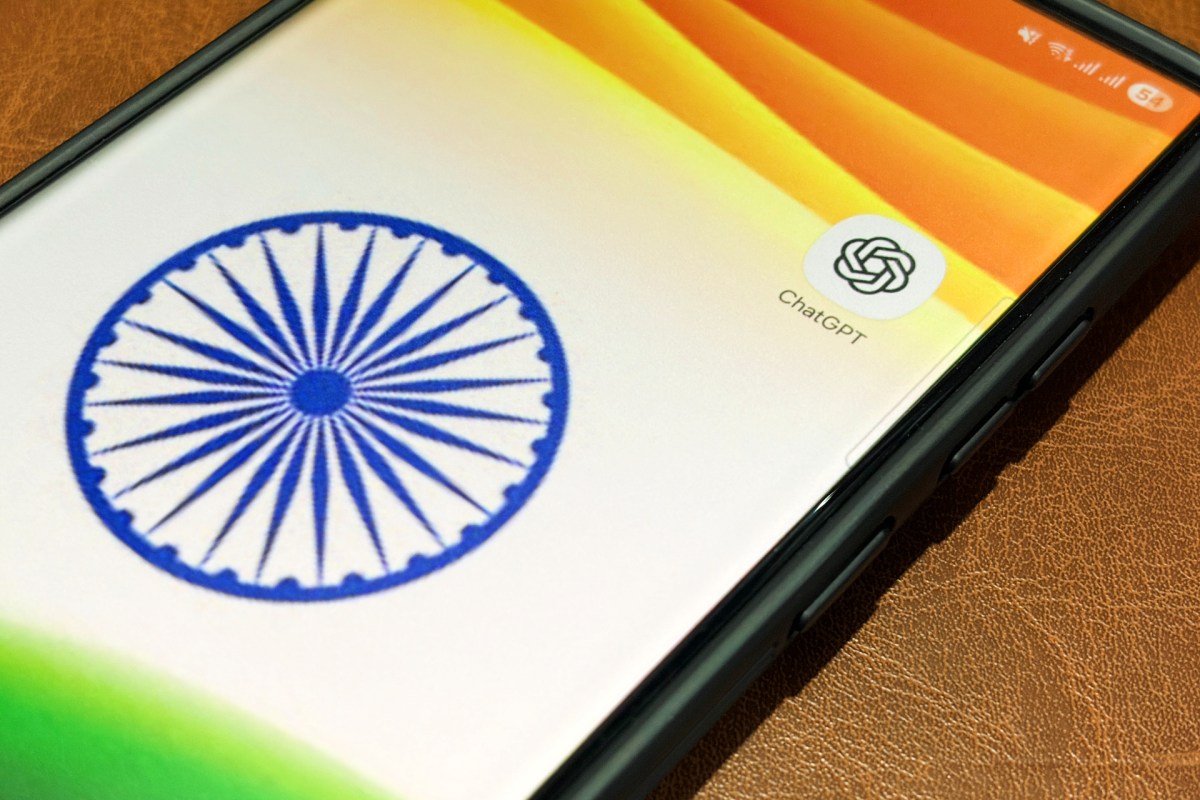
OpenAI just changed the deal. The company that built a $3 billion subscription business on the promise of clean, ad-free AI is now selling attention on ChatGPT’s free tier and Go tier in India. This is not a small experiment. According to reports from The Information and TechCrunch, OpenAI is rolling out sponsored placements to hundreds of millions of users who won’t pay for Plus. If you think India is the finish line, you don’t understand how Silicon Valley scales a revenue model.
Why India and Why Right Now
India has more than 750 million internet users, according to the Telecom Regulatory Authority of India. Most of them won’t pay $20 a month for anything digital. OpenAI knows this. So instead of leaving that market idle, they’re monetizing attention instead of subscriptions.
The math makes sense when you look at OpenAI’s cost structure. OpenAI reportedly lost over $5 billion in 2024, according to The Information, mostly on compute. At the same time, ChatGPT crossed 400 million weekly active users as of early 2026, according to OpenAI’s own disclosures. That’s a massive audience sitting between OpenAI and profitability.
Google’s advertising business pulled in $264 billion in 2024, according to Alphabet’s annual report. OpenAI is staring at that number and doing the same math every founder does when they see a gap that big.
The Real Play Nobody Is Talking About
Most people see this as a chatbot getting banner ads. That’s the weak read. The sharp read is that OpenAI is building the next major ad network and using India to prove it works before going global.
Think about what Google actually built. It started as a search engine. Then it became the largest media company on earth by selling context-aware attention. OpenAI has something Google never had at launch: conversational data. When you ask ChatGPT how to fix your supply chain or which laptop to buy, OpenAI knows more about your intent than any search query ever captured. That’s not a banner ad. That’s a purchase signal dressed up as a conversation.
According to eMarketer, global digital ad spending is projected to hit $870 billion by 2027. OpenAI is not just building a product. They’re building a distribution channel that will compete directly with Google and Meta for a slice of that number. India is the test bed because it has the volume and the price sensitivity to stress-test the model. If ads generate meaningful revenue per user in a market where subscriptions don’t convert, OpenAI has its proof of concept. Then they roll it out to Europe, Latin America, and eventually the US.
I’ve watched this exact pattern with every major platform. Facebook launched free. YouTube launched free. Twitter launched free. They all ended up building ad businesses worth tens of billions. OpenAI just announced which game they’re actually playing. The difference is they have conversational context that makes their ad targeting potentially sharper than anything Google built on search alone.
Creators and media operators who understand this shift will move fast. If ChatGPT becomes an ad-supported content destination with built-in distribution to hundreds of millions of users, owning the kind of video and media assets that can ride that wave matters more than ever. Tools like InVideo AI let you produce video content at scale so you’re ready when AI platforms start treating content as inventory rather than just a prompt response.
What I Would Do Right Now
First, don’t panic about ads showing up in ChatGPT. The core product still works. If ads bother you, you pay for Plus and they disappear. That’s the whole point. OpenAI is using the free tier to convert fence sitters into subscribers. It’s the same playbook Spotify ran for 15 years and it works.
Second, watch how OpenAI’s ad targeting develops over the next two quarters. If they build a self-serve ad network on top of conversational AI, they will sell placements to businesses before most companies even understand what that means. I’d start learning how those placements work before your competitors figure it out. First mover advantage on a new ad channel is worth real money.
Third, this is a reminder to lock in software access now while pricing is still predictable. OpenAI started free, went freemium, and now added ads. Every AI platform follows this curve. AppSumo regularly surfaces lifetime deals on AI and productivity tools before those tools move to expensive subscription tiers. If you want to control your software costs long term, that’s worth keeping on your radar.
Fourth, if you’re building on the OpenAI API, this doesn’t affect you directly yet. But it signals that OpenAI is optimizing for revenue across every surface they touch. Expect API pricing to shift over time as they build a full business model around different user segments. Plan for cost increases and build that into your margins now.
The Bottom Line
OpenAI adding ads to ChatGPT is not a product decision. It’s a business model declaration. They’re building the next Google, not just a smarter chatbot. India is where they’re proving the model works before scaling it globally. The question isn’t whether this changes the digital advertising picture. It does. The question is whether you’re positioned on the right side of that shift when it lands in your market.
Frequently Asked Questions
Why is OpenAI testing ChatGPT ads in India first?
India has hundreds of millions of internet users who won’t convert to paid subscriptions at US pricing. OpenAI is proving that ad revenue can monetize high volume, price-sensitive audiences profitably. If it works there, a global rollout is the obvious next step.
Will ChatGPT ads come to the US and other markets?
Almost certainly yes. India is a test market chosen for volume and low subscription conversion rates. OpenAI’s compute costs require revenue beyond subscriptions to reach profitability. Ad-supported tiers in additional regions are a logical progression of what they’re building.
Does this affect ChatGPT Plus subscribers?
No. Ads are being introduced on the free tier and Go tier only. Paid subscribers won’t see them. This is by design. The ad experience is meant to push free users toward paying for an upgrade, not to monetize people who already pay.
What does ChatGPT advertising mean for Google’s ad business?
It’s a direct challenge to Google’s search ad revenue. ChatGPT already handles queries that used to go to Google Search. Adding ads to those interactions means OpenAI captures the ad dollar that Google would have earned. At scale, that represents a genuine threat to Google’s core revenue stream.
Is the ChatGPT free tier still worth using once ads roll out?
It depends on how intrusive OpenAI makes the ad experience. If ads are minimal and don’t interrupt conversations, most users will tolerate them without switching to paid. If they’re aggressive, expect a backlash that forces OpenAI to pull back. The India rollout will answer that question before it reaches other markets.