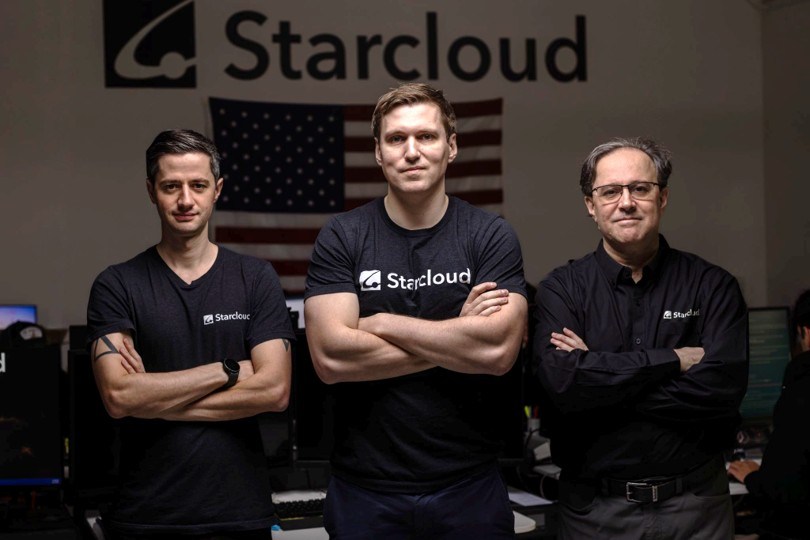
Starcloud just locked in $250 million to build data centers in orbit. Not cloud computing on the ground. Not another data center in Texas or Virginia. In space. This isn’t a science project. It’s a land grab for the computing infrastructure of the next decade, and most investors are still sleeping on it.
Why Orbital Data Centers Are Getting Built Right Now
The timing of this raise isn’t random. Ground-based data centers are hitting hard limits. According to the International Energy Agency, data centers consumed roughly 460 terawatt-hours of electricity globally in 2022, and that figure is on track to more than double by 2026. Power grids in Northern Virginia, Dublin, and Singapore are at or near capacity. New permits take years. Cooling costs keep climbing.
At the same time, the space launch market has consolidated fast. SpaceX commands an estimated 60 percent of all commercial orbital launches according to industry tracking firm BryceTech, and their manifest is packed. For companies trying to get hardware into orbit, available launch slots are genuinely scarce. Starcloud moving now, before that bottleneck gets worse, is the smart play.
Orbital data centers offer something no ground facility can match: unlimited solar power with no atmospheric interference, near-zero cooling requirements in the thermal vacuum of space, and physical separation from any single national jurisdiction. That last point will matter more and more as governments worldwide try to regulate where data lives and who controls compute.
The Real Story Is About Who Controls the Infrastructure
Here’s what most people are missing. They read “$250 million for space data centers” and think expensive novelty. That’s the employee mindset. The owner mindset asks a different question: who collects the rent when all compute runs through orbital infrastructure?
Think about what happened with terrestrial cloud computing. Amazon built the AWS infrastructure layer in the early 2000s. Everyone thought it was just a way to sell excess server capacity. Today AWS generates over $90 billion in annual revenue according to Amazon’s 2023 annual report. Microsoft Azure and Google Cloud followed the same pattern. The companies that owned the infrastructure layer won. Everyone else pays monthly.
Orbital computing is the same play, one generation later. The company that builds the first reliable, high-throughput orbital data center network doesn’t just sell compute. It becomes the landlord for every AI training job, every high-frequency financial transaction, and every crypto node that needs jurisdiction-neutral infrastructure.
That crypto angle matters more than most people realize. According to Chainalysis, crypto transactions processed globally exceeded $10 trillion in 2022. A meaningful slice of that activity runs through infrastructure in legally uncertain jurisdictions. Orbital nodes change the calculus entirely. Space isn’t subject to any single nation’s data laws. That’s not a feature for criminals. It’s a feature for any global financial network that needs predictable, politically neutral compute to keep running regardless of which government decides to pick a fight.
The $250 million Starcloud raised isn’t gambling money. Institutional capital doesn’t write checks that size on a whim. The investors behind this round see the same infrastructure thesis I just described. They’re buying the tollbooth before the highway gets built.
If you’re running a business that depends on cloud infrastructure, now is a good time to get sharp about how you track those costs. I keep our software and infrastructure spend organized by cost center using the Wallester business card platform, which makes it easy to see exactly what we’re spending on compute each month. Knowing your baseline today makes it far easier to evaluate orbital alternatives as this market develops.
What This Means for You Right Now
If you’re an operator or investor, here’s how I’d think about this.
First, watch the secondary plays. Starcloud won’t be the only company trying to capture this market. Look at who supplies the hardware, the solar arrays, and the communication systems. Space infrastructure creates a supply chain. The pick and shovel companies in this wave could be more accessible than the primary operators and carry less execution risk.
Second, pay attention to the jurisdiction story. If you run any kind of financial services, crypto infrastructure, or data-sensitive business, orbital compute could solve a compliance problem you currently pay lawyers to manage. That’s a real cost reduction on the table, not a theoretical one.
Third, if you’re building a team in this space, the talent competition is brutal. Space tech, AI, and finance are all competing for the same small pool of engineers. Running payroll cleanly and staying competitive on compensation is one fewer thing to fumble. Gusto handles payroll for distributed technical teams without the administrative headache, so you can focus on hiring and retaining the people who actually matter.
Fourth, don’t confuse the thesis with a near-term trade. Starcloud still has to execute. Getting hardware to orbit is expensive and failure rates are non-trivial. This isn’t a buy signal for any specific ticker. It’s a signal that the infrastructure ownership thesis is real enough for serious capital to back it. Position accordingly and think in years, not quarters.
The Bottom Line
Starcloud’s $250 million raise isn’t a space story. It’s an infrastructure ownership story. The companies that build the compute layer always win. It happened with telecom. It happened with cloud. It’s happening again, 400 kilometers above your head. The investors who recognized AWS in 2004 didn’t wait for proof of concept. They saw the tollbooth and bought it. You’re looking at the same tollbooth right now.
Frequently Asked Questions
What is Starcloud building with the $250 million?
Starcloud is developing data centers designed to operate in low Earth orbit. These facilities would use solar power for energy and the vacuum of space for passive thermal management, addressing two of the biggest cost problems in traditional data center operations. The goal is commercial compute capacity available to enterprise clients by the end of the decade.
Why are orbital data centers relevant to crypto and blockchain?
Crypto networks depend on globally distributed compute infrastructure. Orbital nodes are physically outside any single country’s legal jurisdiction, offering a politically neutral platform for financial networks that need predictable operating conditions regardless of geopolitics. For blockchain validators and crypto infrastructure operators, that’s a meaningful operational advantage.
Is orbital computing actually commercially viable right now?
Institutional investors writing $250 million checks tells you the commercial thesis is serious. Full-scale viability at competitive pricing is still a few years out, but the groundwork is being laid now. The companies that build early will own the pricing power when the market matures, just as early cloud providers do today.
What’s the biggest risk for orbital data center companies?
Execution risk is the primary concern. Getting hardware to orbit reliably, maintaining it remotely, and hitting the throughput numbers needed to compete with ground-based infrastructure on price are genuine engineering challenges. The investment thesis is sound but the path to profitability requires flawless execution across multiple disciplines simultaneously.
How does the SpaceX launch bottleneck affect orbital data center development?
With SpaceX holding an estimated 60 percent of commercial launch capacity according to BryceTech, companies needing to deploy orbital infrastructure face real scheduling constraints. This is why timing matters so much right now. Companies that secure launch agreements in this window have a structural advantage over later entrants who will face longer wait times and likely higher costs.