Wispr just closed a $280 million round at a $2 billion valuation. That is not a dictation company raising money. That is a bet that the keyboard is on its way out, and the people who see it early will build a massive edge over everyone still typing.
Why This Round Is Bigger Than It Looks
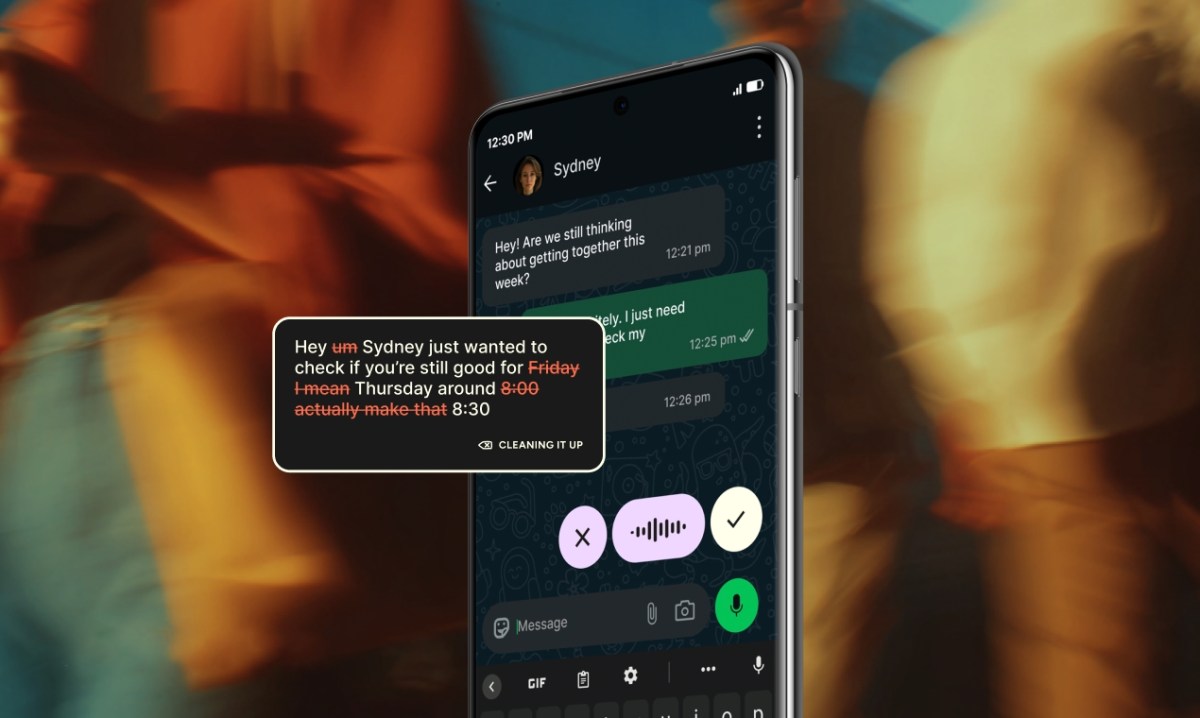
Wispr started as a voice dictation tool. You talk, it types. Simple premise. But a $2 billion valuation is not what you get for building a better Dragon NaturallySpeaking. According to reporting from TechCrunch, Wispr is positioning itself far beyond dictation into a full voice interface layer that sits on top of every app you already use.
That shift matters. The dictation market is a niche. The operating system interface market is worth trillions. When Wispr says it’s moving “beyond dictation,” what it’s really saying is that it wants to be the way you talk to your computer, period. Not just one app. Not just one use case. Everything.
According to Grand View Research, the global speech and voice recognition market was valued at over $17 billion in 2024 and is expected to grow at roughly 14% annually through the end of the decade. Wispr is not chasing a small slice of that. It’s betting on owning the interface layer for the whole thing.
The funding round was led by top-tier venture capital. The valuation doubled or more from their previous raise. That kind of jump does not happen when investors think you’re building a productivity app. That happens when investors think you’re building infrastructure.
The Real Story Most People Will Miss
Here is what I think is actually going on. Most people read “voice AI startup raises money” and file it under “cool tech.” They don’t change anything about how they work. They keep typing 60 words per minute and tell themselves that’s good enough.
It’s not good enough. The average person types at 40 words per minute. The average person speaks at 130 words per minute. That’s a 3x productivity gap sitting right there, untouched, for most knowledge workers. According to a study from Stanford, voice input is 3.0 times faster than typing on mobile devices. The gap on desktop is smaller but still real and significant when you’re writing thousands of words per week.
The people who adopt voice workflows now, before it becomes standard, will build habits and systems that compound. By the time everyone else catches up, you’ve already written more, thought out loud more, shipped more. The tool is not the advantage. The early habit is the advantage.
I’ve watched this pattern repeat in every major interface shift. The people who learned keyboard shortcuts when everyone else was clicking through menus got faster and stayed faster. The people who adopted mobile-first workflows before their competitors captured audiences earlier. Voice is the next version of this, and Wispr’s raise is the clearest signal yet that the transition is happening now, not in five years.
There’s also a content creation angle here that people are sleeping on. If you can speak your content into existence three times faster than you can type it, the math on your output changes completely. This is why tools like InVideo AI, which lets you turn scripts and spoken ideas into finished video content, are seeing serious traction alongside the voice input wave. The creators who combine voice drafting with AI production tools are operating at a pace that typed-only creators simply can’t match.
What This Means for You
I want to be direct here. If you run a business, create content, or do any kind of knowledge work, here is what I would do right now.
First, start using Wispr or a similar voice input tool today. Not next month. Today. The learning curve is about a week of feeling slightly awkward followed by a permanent speed boost. The upfront cost is tiny compared to what you’ll gain in output over the next year.
Second, pay attention to what Wispr builds next. A company that just raised $280M is about to ship. They’re not raising that kind of money to keep doing what they’re already doing. Whatever they build into the interface layer next is going to change how power users work. Watch for it and be an early adopter.
Third, if you’re building a product or service, think hard about voice as an input method for your users. The companies that build voice into their products before their competitors will have a real differentiator. The ones who wait until it’s standard will be playing catch-up.
For anyone who wants to get tools and software at better prices while the voice AI space is still forming, AppSumo regularly features voice and productivity tools at lifetime deal pricing. Getting in early on the right software stack before category winners are obvious is how operators cut costs and stay ahead at the same time.
The average employee will read about Wispr’s raise, think “neat,” and go back to their email. The sharp operator will spend the next 30 days building a voice workflow, measure the output difference, and never go back.
The Bottom Line
Wispr just raised $280M because someone in venture capital did the math on replacing the keyboard with your voice. The market agrees it’s a $2 billion idea already. I think it’s worth multiples of that once the habit shift happens at scale. The question isn’t whether voice wins. It’s whether you’re building that habit now or waiting until everyone else already has the edge.
Frequently Asked Questions
What does Wispr do exactly?
Wispr is a voice input tool that works across all apps on your computer. You speak and it transcribes your words wherever your cursor is, in any application. The company is now expanding beyond pure dictation into a broader voice interface layer.
Why did Wispr raise $280M at a $2B valuation?
Investors are betting that Wispr is building more than a dictation tool. The raise signals confidence in the company’s ability to own the voice interface layer across computing. According to the funding reports, Wispr is positioning itself as infrastructure for how people interact with their computers.
Is voice input actually faster than typing?
Yes. According to Stanford research, voice input is roughly 3 times faster than typing on mobile. On desktop the gap is smaller but still meaningful. Most people speak at 130 words per minute and type at 40, which is a real and measurable difference in daily output.
Who should pay attention to the Wispr funding round?
Anyone who does knowledge work, content creation, or runs a business built on written communication should pay attention. The companies and individuals who adopt voice workflows early will build speed advantages that compound over time. This is not a niche tool story. It’s an interface shift story.
What comes after dictation in the Wispr roadmap?
Wispr has signaled it wants to move beyond simple voice-to-text into a full voice interface layer for computing. That likely means voice commands, voice navigation, and eventually voice as the primary way to interact with AI tools and apps. A $280M raise buys a lot of product development in that direction.