A federal judge just rejected xAI’s bid to block Minnesota’s nudify app ban. The ruling stands. More than 40 states are pursuing similar laws, according to the National Conference of State Legislatures, and AI companies are learning that “free speech” won’t cover everything.
What Just Happened
Minnesota passed a law banning the creation and distribution of AI generated non consensual intimate imagery. These are “nudify” apps that use AI to digitally remove clothing from real people’s photos without permission. Victims are overwhelmingly women. Most perpetrators have faced zero legal consequences until now.
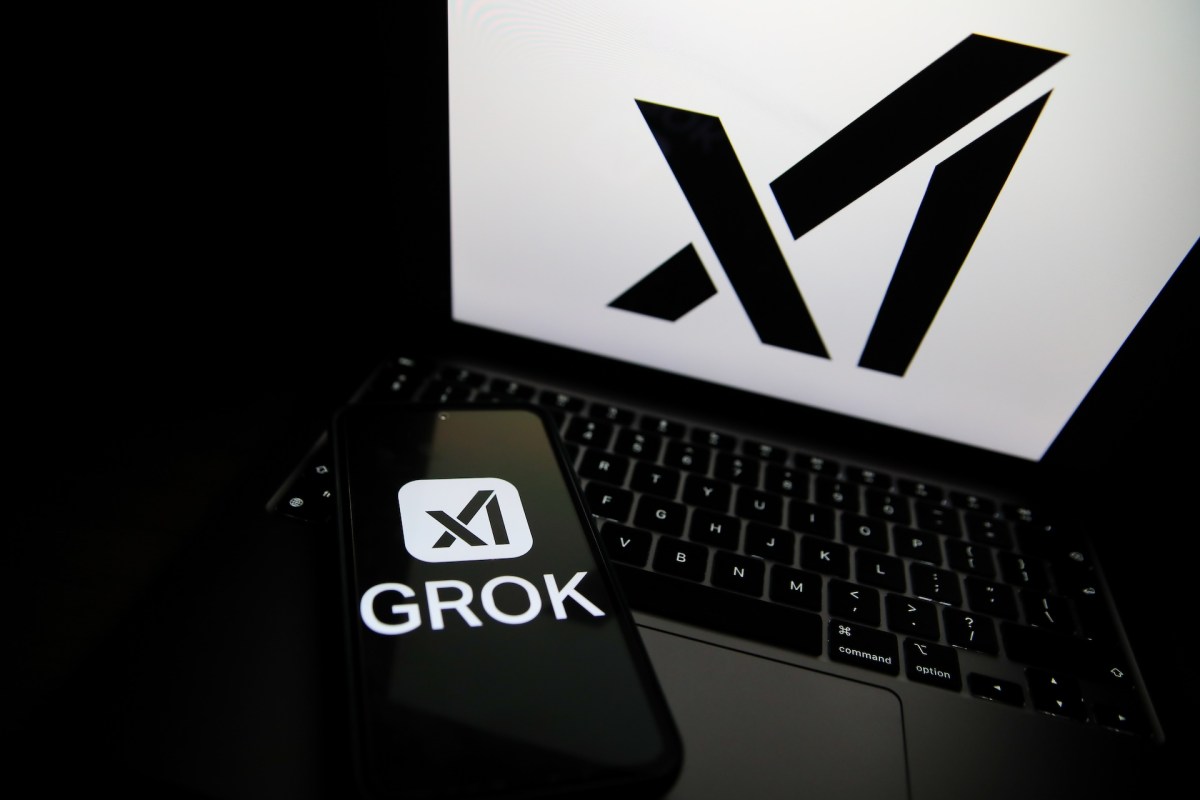
xAI, the company behind Grok, challenged the law in federal court. Their argument: the Minnesota ban violates First Amendment free speech protections. A federal judge denied the request to block enforcement while the broader case continues. The law stays active. Violations remain illegal today.
This didn’t come out of nowhere. According to the Stanford Internet Observatory, AI generated intimate imagery increased by more than 400% between 2023 and 2025. States stopped waiting for Congress to act. They moved on their own, and courts are letting them.
The Real Story Nobody Is Talking About
Most people read this headline and think “good, those apps were gross.” I agree. But that’s not the interesting part.
Here’s what matters if you build or invest in AI products. xAI’s First Amendment argument was the industry’s best shot at a broad legal shield. The judge didn’t buy it. That means every similar challenge in every other state just got harder to win.
According to the Electronic Frontier Foundation, more than 40 states introduced legislation specifically targeting AI generated non consensual imagery in 2025 alone. That’s not a fringe reaction. That’s a wall being built state by state, and courts are letting it stand.
Here’s the mindset split. The average person sees this as a privacy win. That’s true. But the owner sees something different.
The poor mindset says “those nudify apps were the bad guys, I’m not them, I’m fine.” The rich mindset says “courts just told me exactly which AI products will face legal fire. Let me move my stack before the subpoenas show up.”
If your AI product touches images, video, voice cloning, or any content tied to a real person without clear consent, you carry legal exposure that didn’t exist three years ago. According to the Cyber Civil Rights Initiative, 48 states now have some form of non consensual intimate imagery law on the books. Most are being updated to cover AI generated content specifically. This is the environment you’re building in right now.
Legitimate AI tools are separating themselves from the gray zone fast. Platforms built around licensed content and clear creator consent are where the smart money is going. InVideo AI is built for creators who bring their own footage, scripts, and licensed assets. That’s the direction the AI content market is moving: consent first, compliance baked in from day one.
What I Would Do Right Now
If you run or invest in any AI product, here is the checklist I’m running through today.
First, audit your content policies. If your product can generate or manipulate images and video of real people, your terms of service need to be airtight. Not just because it’s the right thing to do, though it is. Because courts are now making it the legal thing to do.
Second, map your state exposure. Every state your users are in is a potential jurisdiction. With 48 states already on the books for non consensual imagery laws, your users are almost certainly in covered territory. Get a lawyer who understands AI content law. That conversation is cheaper than a lawsuit.
Third, replace gray area tools now, not after a subpoena lands. If you need to swap out AI tools in your content stack for compliant alternatives, AppSumo is where I start. They run lifetime deals on vetted software, and I’ve found solid AI tools there that cover what sketchy apps used to do at a fraction of the ongoing cost.
Fourth, watch the xAI case as it continues. The injunction was denied, but the full lawsuit isn’t over. How the merits play out will shape how courts balance AI product arguments against state harm prevention laws for years. This is not a story you want to stop following in 2026.
The Bottom Line
xAI didn’t lose because the law was perfect. It lost because the argument was weak and the harm was real. States are moving faster than Congress, and courts are letting them. Every AI company that was counting on a First Amendment shield just watched that bet get worse. The era of “ask forgiveness later” in AI is closing. Build compliant products, or get out of the way of people who will.
Frequently Asked Questions
What is Minnesota’s nudify app ban?
Minnesota’s law bans the creation and distribution of AI generated non consensual intimate imagery. This covers apps that use AI to digitally remove clothing from real people’s photos without consent. Both creating and sharing this content is illegal under the law.
Why did xAI try to block the Minnesota nudify app ban?
xAI argued the Minnesota ban violates First Amendment free speech protections by restricting a form of digital expression. A federal judge rejected that argument and denied the injunction request, allowing the law to remain fully in force while the broader legal challenge plays out.
How many states have laws targeting AI nudify apps?
According to the Cyber Civil Rights Initiative, 48 states now have some form of non consensual intimate imagery law. According to the Electronic Frontier Foundation, more than 40 states introduced legislation specifically addressing AI generated non consensual imagery in 2025. That number is still climbing.
What does this ruling mean for AI companies?
The ruling weakens the First Amendment defense that AI companies might use against similar state laws. Any product that can generate or manipulate content tied to real people without clear consent now carries increased legal exposure across most of the country. The compliance window is narrowing.
Is this ruling the end for nudify apps?
This ruling is a significant blow to the nudify app industry, but the xAI case is not fully resolved. The injunction denial means Minnesota’s law stays active right now. The full case will still be argued on the merits, and the final outcome will shape AI content law at the national level.