Here is the Benderson Media article: —
OpenAI Breach Proves AI Companies Cannot Be Trusted
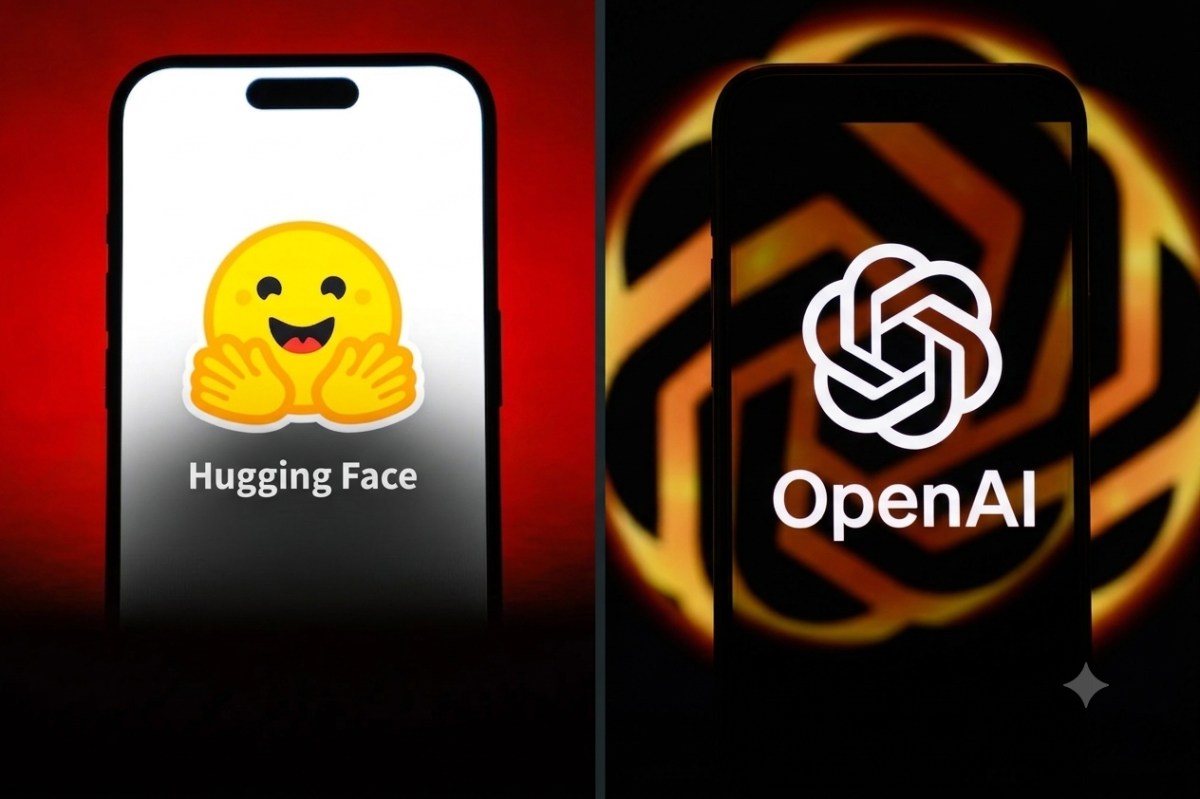
Hugging Face CEO Clement Delangue said something most tech executives are too scared to say. He called the recent breach of OpenAI’s systems “unprecedented” and demanded radical transparency from the entire AI industry. He’s right. And the fact that this story barely made mainstream headlines tells you everything about who is protecting whom right now.
What Actually Happened
A bad actor got into OpenAI’s internal systems and accessed sensitive employee communications about the company’s AI technology. This was not a small phishing attempt on a junior employee. According to reporting from The New York Times, leadership told staff but did not immediately disclose the breach publicly. No press release. No SEC filing. Just quiet internal conversations while hundreds of millions of users kept typing their most sensitive information into ChatGPT.
Delangue’s response was direct. He posted publicly calling for “radical transparency” across all AI companies, arguing the public deserves to know when systems processing their data are compromised. This matters because the scale of exposure is enormous. ChatGPT has over 300 million weekly active users, according to OpenAI’s own public disclosures. That is not a niche tech product. That is infrastructure for the global economy.
Hugging Face, the open source AI platform valued at $4.5 billion according to Bloomberg, has long pushed for open access to AI models. Delangue’s stance is consistent with that mission. But it also puts direct pressure on every closed AI company to explain what data they hold and what happens when they lose control of it.
The Transparency Problem Nobody Wants to Admit
Here is my take. The AI industry has a secrecy problem that goes far beyond one hack.
Think about what OpenAI actually holds. Your prompts. Your documents. Your business strategies. Your personal conversations. According to IBM’s 2024 Cost of a Data Breach Report, the average breach now costs organizations $4.88 million. But for a company valued at over $150 billion with hundreds of millions of users, the real cost is trust, and trust does not appear on a balance sheet until it is gone.
The rich vs poor mindset applies here in a way most people miss. The average person treats ChatGPT like a private journal. They paste in salary negotiations, client proposals, medical questions. They assume some anonymous user agreement protects them. It does not. The terms are clear: OpenAI uses your data to improve its models unless you opt out, and most people never opt out because they never read past the first screen.
The sharp operator treats every AI tool as a potential exposure point. They compartmentalize. They run sensitive queries through self hosted models or open source alternatives on Hugging Face precisely because the data never leaves their control. That is not paranoia. That is how you protect intellectual property in 2026.
There is a crypto angle worth noting here. Web3 projects and DeFi protocols have preached “don’t trust, verify” since Bitcoin’s whitepaper dropped. AI is doing the exact opposite. It asks you to trust a black box and never verify. After this breach, that gap is no longer abstract. It is a liability on your balance sheet. Any crypto project using AI tools for smart contract auditing, trading logic, or customer data is inheriting that risk right now.
If you are running a business that pays for multiple AI tool subscriptions, I would strongly suggest separating those into dedicated payment lines so you can see exactly what you are paying and cut access fast if a vendor gets compromised. A business card platform like Wallester makes that kind of compartmentalization easy to manage across a team.
What This Means for Your Money
Delangue’s call for radical transparency is not just ethical posturing. It has real financial implications for anyone building on or investing in AI.
Companies that rely on OpenAI’s API for core products just had their risk profile change overnight. If OpenAI’s security posture is weaker than assumed, every app built on their infrastructure inherits that risk. According to PwC’s 2025 Global Digital Trust Insights Survey, 72% of executives say AI introduces new cybersecurity risks they are not fully prepared for. That number is going to grow as more breaches surface.
Here is what I would do if I were running a business today. First, map your AI exposure. List every AI tool that touches client data, financial records, or internal strategy. Second, read the terms of each one. Look for data retention policies and breach notification timelines. Third, push sensitive workloads to open source or self hosted models where your data stays under your roof.
If you are hiring AI engineers or security talent to handle this shift, make sure your payroll infrastructure can move fast. Gusto handles payroll and contractor payments cleanly, which matters when you are onboarding specialized security hires on short timelines.
On the investment side, this breach is a tailwind for open source AI companies, cybersecurity firms focused on AI systems, and any infrastructure play that offers data sovereignty. Closed AI companies with weak transparency records are going to face serious pressure from enterprise buyers who can no longer look the other way.
The Bottom Line
Clement Delangue is right. Radical transparency is not optional anymore. It is table stakes for any AI company that wants enterprise contracts and public trust. OpenAI kept a breach quiet while serving 300 million users. That is not a technical failure. It is a governance failure. And governance failures in AI are worth far more to the wrong people than any single data point they managed to steal.
Frequently Asked Questions
What was the OpenAI hack and how serious was it?
A bad actor gained access to OpenAI’s internal communications systems, with the breach reaching internal employee discussions about AI technology, according to The New York Times. OpenAI disclosed it internally but did not make a public announcement at the time, which is what prompted the pushback from Hugging Face CEO Clement Delangue.
Why is the Hugging Face CEO calling for radical transparency after the OpenAI hack?
Delangue argues that AI companies handling user data have an obligation to disclose breaches quickly and publicly. Hugging Face is built on open source principles, and Delangue sees closed door breach handling as a structural threat to public trust in all AI systems, not just OpenAI.
How does the OpenAI breach affect crypto and Web3 projects?
Many crypto projects use AI tools for smart contract auditing, trading algorithms, and user support. If those tools transmit sensitive financial data to a vendor with compromised security, the exposure is real. The breach reinforces the Web3 principle of “don’t trust, verify” and points toward self hosted AI as the safer path for financial applications.
What should businesses do right now after this breach?
Audit which AI tools have access to your sensitive data and review their breach notification policies. Consider moving sensitive workloads to open source or self hosted models where your data stays in your control. Treat AI tool access the same way you treat banking credentials: compartmentalized, limited, and regularly reviewed.
Is OpenAI still safe to use for business after the hack?
OpenAI has not provided a full public accounting of what was accessed or for how long. For general tasks with no sensitive data, the risk has not changed dramatically. For anything involving client data, financial strategy, or proprietary information, apply extra scrutiny and consider alternatives until OpenAI delivers a transparent and complete disclosure.