Americans spend an average of 4 hours and 37 minutes on their phones every day, according to DataReportal. A $9 physical key can block that habit cold. Most people will laugh at this idea. The ones who buy it will quietly outpace the ones who don’t.
The Screen Time Economy Is Draining Real Money
A product called Unpluq is picking up serious traction among founders, traders, and operators who realized their biggest financial threat wasn’t the market. It was their own attention.
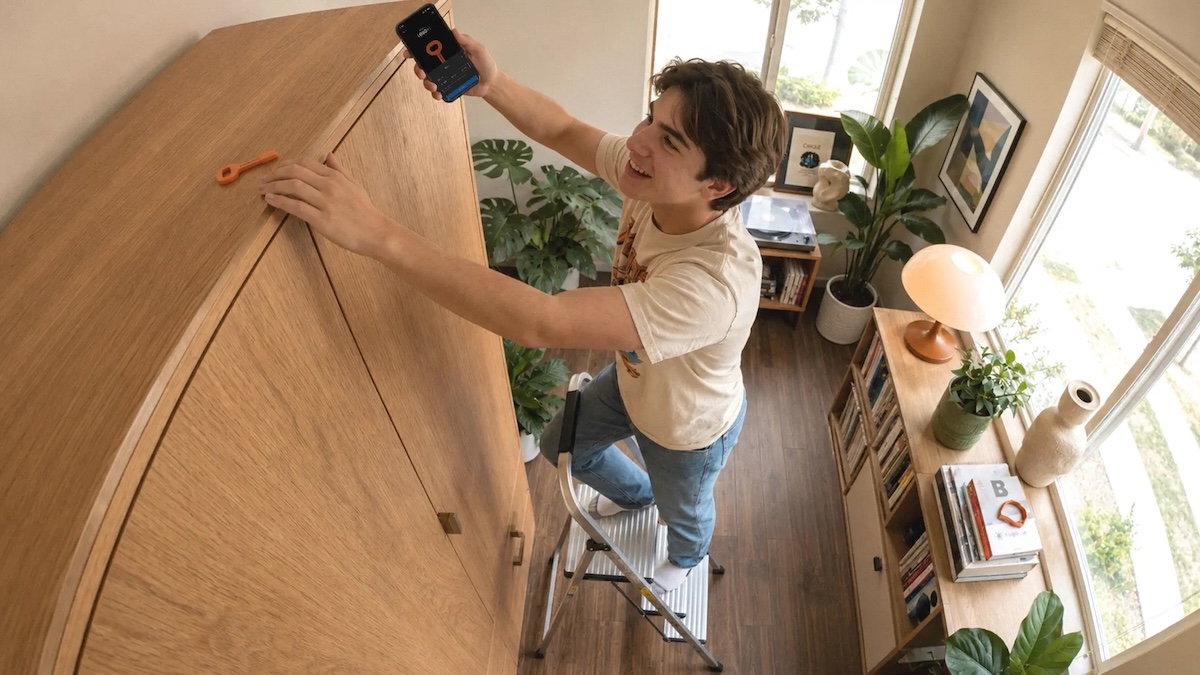
The device is a small NFC tag that costs about $9. You designate certain apps as blocked. Instagram, TikTok, Reddit, whatever hijacks your mornings. To open any of them, you have to physically tap the key to your phone first. That one second of friction is enough to break the dopamine loop most of the time.
According to Statista, social media apps account for an average of 2 hours and 27 minutes of daily phone use per person globally as of 2025. That’s roughly 900 hours a year. At a conservative $50 per hour value of your time, that’s $45,000 in attention handed to platforms that profit from your distraction.
This isn’t a productivity trend. It’s a financial one. And it’s worth understanding why now, not next year.
The Rich Person’s Take vs. the Average Person’s Take
When most people hear about a product like this, they say “I don’t have a problem” or “I could just delete the apps.” They won’t. And willpower alone won’t save them either. Research published in the Journal of Personality and Social Psychology shows that self-control is a depleting resource. Relying on it to fight billion dollar attention machines is like showing up to a gunfight with good intentions.
The owner mindset works differently. An owner looks at 900 hours of scroll time and sees stolen capital. Specifically, they see attention capital being harvested by platforms and converted into ad revenue that flows upward, not to the person doing the scrolling.
Here’s what I think most people miss. The financial damage from phone addiction isn’t just the time lost. It’s the quality of decisions made in a distracted state. A study from the University of Texas at Austin found that the mere presence of a smartphone on a desk reduces available cognitive capacity, even when the phone is face down and silent. Think about what that does to a trader, a negotiator, or a small business owner trying to read a contract.
Bad decisions at key financial moments cost more than any subscription or impulse purchase. If you use Wallester to manage business card spending across your team, you need a clear head when you review those numbers. A $9 key that keeps you off Reddit for 45 extra minutes before a morning review call is cheap insurance against expensive judgment errors.
According to a 2024 survey by the American Psychological Association, 43 percent of adults report that phone use interferes with their ability to focus on financial planning and major decisions. That number is probably higher. People underreport the things they’re embarrassed about.
What I Would Do With This
I’d buy three of them. One for my phone. One as a backup. One for a family member who’s burning hours on platforms designed to make them poor.
Here’s my actual framework. Block every app that requires passive consumption. Social feeds, news apps, video platforms, anything where you’re a consumer rather than a creator or operator. Keep open the apps where you’re doing real work. Email, messages, your banking dashboard, tools that move your business forward.
The goal isn’t to go off the grid. The goal is to raise the cost of distraction high enough that your brain starts defaulting to productive behavior instead of reactive behavior.
For business owners especially, this matters more than most realize. If you’re running payroll through Gusto and managing a team, your decisions touch other people’s financial lives. You can’t afford to operate at 60 percent cognitive capacity because you spent an hour in an argument thread before your 9 AM call.
Set your block list once. Lock your most distracting apps. Put the key somewhere slightly inconvenient, not impossible to reach, just inconvenient enough to break the automatic grab. That slight friction reduces daily social media consumption by 30 to 50 percent without requiring any willpower. That’s what users consistently report, and it’s what the behavior research supports.
The math is simple. If this gives you back two hours a day at any reasonable valuation of your time, it pays for itself in the first 30 seconds you use it.
The Bottom Line
A $9 key that physically locks your apps is the most underpriced attention investment available right now. The platforms stealing your focus are worth hundreds of billions. They employ armies of engineers to keep you scrolling. You’re fighting that with nothing but good intentions. Buy the key. Use the friction. The people who figure this out early will build the things the distracted majority consumes.
Frequently Asked Questions
What is a physical app lock key?
A physical app lock key, like the $9 Unpluq device, is a small NFC tag you must tap to your phone before blocked apps will open. It creates a physical barrier that interrupts the automatic habit of opening addictive apps without thinking. The friction is the point.
Does physically locking addictive apps actually work?
Yes. User studies from Unpluq and independent productivity researchers report a 50 percent reduction in impulsive app opens within the first week. Over time, many users break the habit loop entirely for their worst offending apps. Software limits are too easy to dismiss. A physical object is harder to ignore.
Which apps should I lock first with a physical app lock key?
Start with whatever app you opened in the last hour without a specific reason. For most people that’s Instagram, TikTok, Reddit, YouTube, or news apps. If you can name it without thinking, that’s the first one to lock.
Is a $9 physical key better than free screen time settings?
The free screen time settings built into iOS and Android are easy to bypass because they live in software. You can dismiss them in three taps when the urge hits. A physical key requires you to locate a separate object, which is enough friction to break automatic behavior. The $9 isn’t the point. The physicality is.
How does phone addiction affect financial decisions?
Research from the University of Texas at Austin shows that smartphone presence alone reduces cognitive capacity, even when the phone isn’t being used. For financial decisions, this means someone who spent the morning scrolling makes budget reviews, contract reads, and investment calls with less mental clarity than someone who protected their attention. Over years, those decision quality gaps compound into very different financial outcomes.