A $9 Key That Physically Locks Your Most Addictive Apps
“`html
A $9 Key That Physically Locks Your Most Addictive Apps
A small plastic key is outselling productivity apps at $9 a piece, and it works by doing what your willpower never could: making you physically leave your seat to Instagram. That tiny friction is worth more than any screen time app you’ve ever downloaded.
Why This Is Happening Now
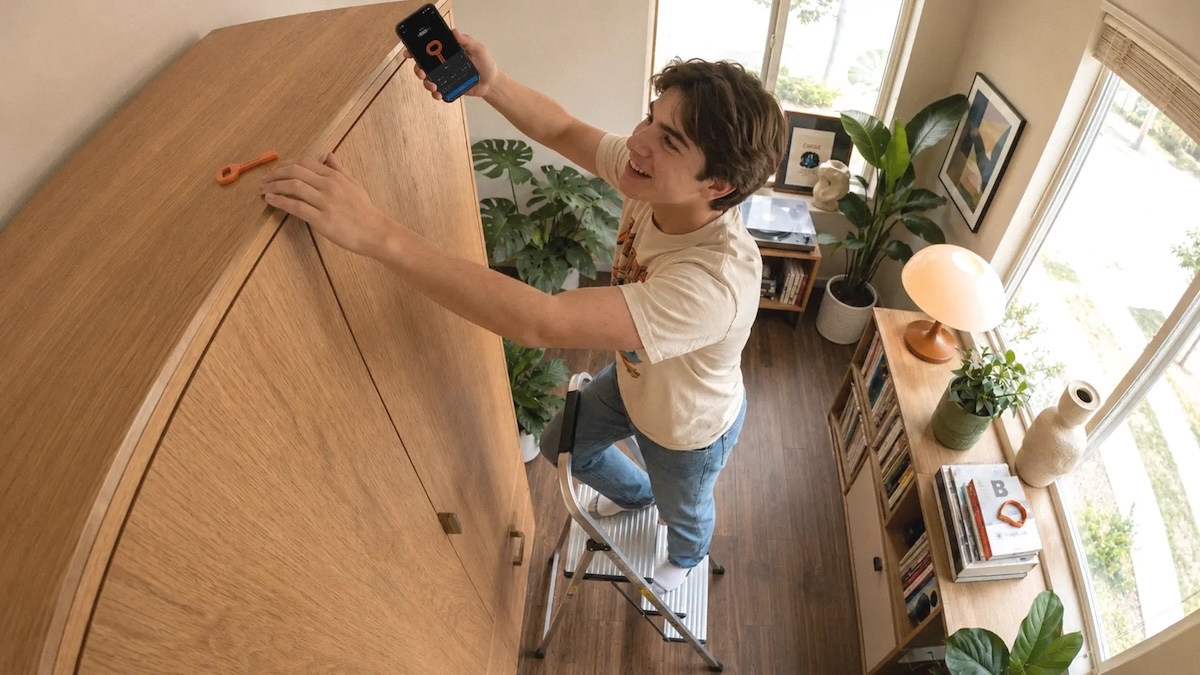
The attention economy finally has a hardware rival. Products like the Unpluq Key use NFC technology to create a physical barrier between you and your most addictive apps. You tap the key to them. No key nearby, no access. Simple.
This matters because the scale of the problem is massive. Americans now spend an average of 4 hours and 37 minutes per day on their smartphones, according to DataReportal’s 2025 Global Digital Report. That’s nearly a third of every waking hour. And social media accounts for the largest slice of that time.
Meanwhile, the brain science is settled. According to research published in the journal Computers in Human Behavior, app notifications trigger the same dopamine pathways as slot machines. You’re not weak. You’re fighting a system built by teams of behavioral psychologists who get paid to keep you scrolling.
So why has a $9 piece of plastic started showing up on productivity lists, Reddit threads, and Amazon’s bestseller charts in early 2026? Because every software solution has failed. And people are desperate enough to try hardware.
Software Blockers Don’t Work. Here’s Why.
I’ve tried every app blocker on the market. Freedom, Cold Turkey, One Sec, built-in screen time limits. They all share the same fatal flaw: they live on the same device as the problem.
When your willpower is at its lowest, usually around 11 PM when you should be sleeping, the screen time password is one forgotten tap away. You override it. You tell yourself it’s just five minutes. You wake up an hour later wondering where the time went.
Physical friction is categorically different. Behavioral economists call this a “commitment device,” and the research backs it up. A 2022 study from Stanford found that adding just one physical step to a habitual behavior reduced its frequency by 67 percent. One step. Sixty-seven percent.
The Unpluq Key costs $9 and works with a companion app. You designate which apps require the key to. Instagram, TikTok, YouTube, X. Whatever pulls you in. The key lives somewhere inconvenient. A drawer. Your car. Your gym bag. Not in your hand.
This is the rich versus poor mindset applied to attention. People who build wealth understand that attention is a finite resource, exactly like cash. You either invest it or you let someone else spend it for you. Social media platforms are worth a combined $3 trillion, according to Statista’s 2025 market cap data. That valuation is built almost entirely on the seconds they steal from you, multiplied by billions of users.
Poor thinkers say “I should use my phone less” and then check it 96 times a day, according to research from Asurion. Rich thinkers build a system that makes the bad behavior structurally harder.
If you’re using reclaimed focus hours to build something, cut the admin drag too. Tools like Inc Authority let you file your LLC for free, so you’re not burning recovered time on government paperwork when you finally sit down to work.
What I Would Do With This
Here’s the practical play. This isn’t just about willpower. It’s about architecture.
First, identify your three most addictive apps. Not the ones you think are bad. The ones you check first thing in the morning before you’re even fully awake. Those are the ones that go behind the key.
Second, put the key somewhere that requires a physical commitment to reach. Not your desk. Not your nightstand. Your car’s glove compartment forces you to actually decide whether checking Twitter is worth walking outside. Most of the time it isn’t.
Third, pair the physical lock with a time rule. ed access only after 5 PM on weekdays. The key is permission, not elimination. You’re not quitting social media. You’re scheduling it like a meeting instead of letting it interrupt every other meeting.
Fourth, use the reclaimed time for something with a return. Learning a skill. Writing. Building a side income. If you recover two hours a day at a conservative value of $25 per hour, that’s $18,000 in recovered productive time per year. A $9 key with a four-figure ROI is not a wellness trend. It’s an investment.
For business owners who need their phone for legitimate work, the key model still works. Keep your email ed. Keep your calendar accessible. Block the scroll loops. When you do need to close deals fast, a tool like signNow handles e-signatures in two minutes from your phone without making you wade through your unblocked apps to get there.
The goal isn’t a phone-free life. It’s a phone that works for you instead of against you.
The Bottom Line
Your attention is the most valuable asset you own. Tech companies have spent billions figuring out how to spend it for you. A $9 piece of plastic is not a cure, but it’s the most honest solution anyone has built yet. It doesn’t ask you to be stronger. It changes the structure of the game. That’s how you actually win.
Frequently Asked Questions
What is a physical app lock key and how does it work?
A physical app lock key, like the Unpluq Key, uses NFC technology to create a hardware barrier for designated apps on your phone. You tap the physical key against your phone to blocked apps. Without the key nearby, those apps stay locked behind a screen.
Is a $9 app lock key actually effective for reducing screen time?
The evidence points to yes, but the mechanism matters. According to Stanford research, adding a single physical step to a habitual behavior reduces its frequency by 67 percent. The key works not by blocking you permanently but by inserting friction at the moment when impulsive behavior usually wins.
Which apps should I put behind a physical app lock?
Focus on the apps you open without thinking, not the ones you intentionally seek out. For most people that means Instagram, TikTok, YouTube Shorts, and X. Keep productivity tools and communication apps accessible. The goal is to separate passive scroll loops from intentional use.
Are there downsides to using a physical app blocker?
The main risk is losing or forgetting the key when you actually need access for a legitimate reason. Most products include a backup method through the companion app, but that reduces the friction that makes the system work. Keep a second key at home if you rely on social media for business.
How does a physical app lock compare to built-in screen time controls?
Built-in screen time controls live on the same device as the problem and are trivially easy to override, especially late at night when self-control is lowest. A physical key lives in a separate location and requires a deliberate physical action, which activates a different part of your decision-making process.
“`
Get stories like this in your inbox. Daily.
Free. No spam. The AI, tech, and finance stories that move money.